Internet Marketing and SEO Services: A Practical Guide to Growing Online
For many businesses, a strong online presence is essential to reaching new customers and building lasting relationships. Internet marketing helps organisations connect with audiences across digital channels, while search engine optimisation (SEO) makes it easier for people to find relevant websites through search engines. Used together, these services can support steady, measurable business growth.
What is internet marketing?
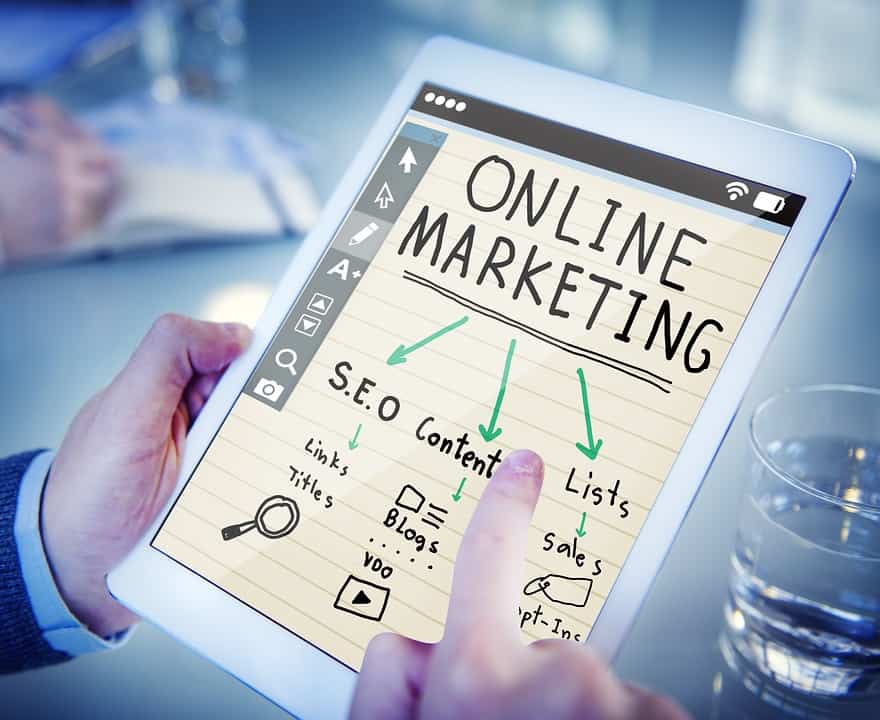
Internet marketing is the promotion of a business, product or service through online channels. It can include a range of activities, such as:
- Content marketing: creating useful articles, guides, videos and other resources for your audience.
- Social media marketing: sharing content and engaging with customers on relevant social platforms.
- Email marketing: sending updates, offers and helpful information to people who have chosen to hear from your business.
- Paid advertising: placing adverts on search engines, social media and other websites.
- Website optimisation: improving a site’s content, usability and performance to support business goals.
The right mix depends on your audience, industry, budget and objectives. A local service provider may prioritise local search and customer reviews, while an online retailer might combine SEO, email campaigns and paid advertising.
What are SEO services?
SEO services help improve a website’s visibility in unpaid search results. The aim is not simply to attract more visitors, but to reach people who are looking for information, products or services that the business genuinely offers.
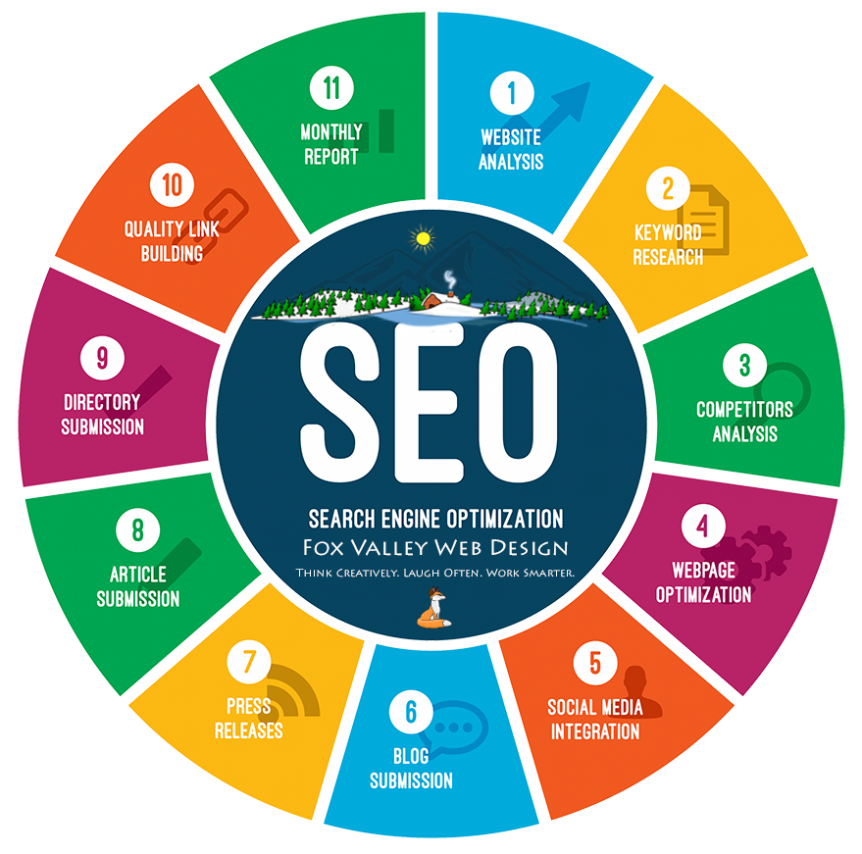
SEO commonly involves several areas:
- Research: understanding what potential customers search for and how those searches relate to your services.
- On-page SEO: improving page titles, headings, copy, internal links and other elements on the website.
- Technical SEO: addressing issues that can affect how search engines access and understand a site, including mobile usability, page speed and indexing.
- Content development: creating accurate, useful pages that answer customers’ questions and reflect the business’s expertise.
- Local SEO: helping a business appear in relevant local searches through accurate business details, location pages and reputation management.
- Measurement and reporting: reviewing performance and identifying opportunities for improvement.
How internet marketing and SEO work together
SEO is one part of internet marketing, but it can strengthen a wider digital strategy. For example, keyword and customer research can inform website content, social media posts and email campaigns. In turn, useful content can give a business more opportunities to be discovered, shared and referenced online.
Other channels can also complement SEO. Paid advertising may provide visibility while a new website builds organic traffic, while email marketing can help a business stay in touch with existing customers. A joined-up approach makes it easier to deliver a consistent message at different stages of the customer journey.
Benefits of a considered digital strategy
Well-planned internet marketing and SEO can help a business:
- increase its visibility among relevant audiences;
- attract visitors who are actively researching a need;
- build trust through helpful, accurate information;
- make its website easier to use on different devices;
- understand which channels and pages contribute to enquiries or sales; and
- develop a more sustainable source of online traffic over time.
Results vary according to competition, website condition, resources and the quality of the strategy. SEO usually takes time, so it is best viewed as ongoing work rather than a one-off fix or a guarantee of particular rankings.
Choosing an internet marketing or SEO provider
Before engaging a provider, decide what you want to achieve. Your goals might include increasing qualified enquiries, improving local visibility, growing online sales or making your website more effective. Clear objectives help you assess whether a proposed service is suitable.
Look for a provider that explains its recommendations in plain language, asks questions about your business and audience, and sets out how progress will be measured. A useful proposal should describe the work involved, likely timescales, responsibilities and reporting arrangements. Be cautious of guaranteed rankings, vague promises or tactics that rely on manipulative links and low-quality content.
Measuring progress
Rankings and website visits can offer useful context, but they do not tell the whole story. Depending on your goals, relevant measures may include organic traffic, enquiries, purchases, phone calls, newsletter sign-ups or the performance of specific landing pages. Regular reviews help show what is working and where the strategy may need to change.
Build for the long term
Effective internet marketing and SEO begin with a clear understanding of customers and a website that serves them well. By combining useful content, sound technical foundations and the right promotional channels, businesses can create a more visible and dependable online presence. The strongest strategies are transparent, measured against meaningful goals and refined as customer needs evolve.
8 Practical Tips for Choosing Internet Marketing Services and Improving SEO
- Set clear goals before choosing internet marketing services.
- Use keyword research to guide your SEO strategy.
- Create useful content for your target audience.
- Make your website fast and mobile-friendly.
- Earn quality backlinks from relevant websites.
- Track traffic, rankings and conversions regularly.
- Use local SEO to reach nearby customers.
- Review campaign results and adjust your approach.
Set clear goals before choosing internet marketing services.
Before choosing internet marketing services, decide what you want your business to achieve. You might aim to increase online sales, attract more qualified enquiries, improve local visibility or grow your email audience. Clear goals help you select services that fit your priorities, set a realistic budget and measure whether your investment is working. They also give your marketing provider a practical brief, making it easier to recommend a focused strategy rather than a collection of activities without a clear purpose.
Use keyword research to guide your SEO strategy.
Use keyword research to guide your SEO strategy by finding out what your potential customers are searching for, the language they use and the questions they want answered. Choose relevant terms that match your products or services and reflect the intent behind each search, then use them naturally in useful website content, page titles and headings. Rather than targeting search volume alone, focus on keywords that can attract the right audience and support your business goals. Review performance regularly and update your approach as search behaviour changes.
Create useful content for your target audience.
Create useful content that answers the questions your target audience is already asking. Clear, relevant articles, guides and service pages can help people make informed decisions while showing search engines that your website offers value. Focus on your customers’ needs, use language they understand and keep information accurate and up to date. Rather than writing solely to include keywords, make each piece genuinely helpful—this can build trust, encourage visitors to explore your site and support your wider SEO and internet marketing goals.
Make your website fast and mobile-friendly.
Make your website fast and mobile-friendly to give visitors a smooth experience wherever they are. Pages that load quickly help people find what they need without delay, while a responsive design makes text, images and navigation easy to use on phones and tablets. These improvements can reduce frustration, encourage visitors to stay longer and support your wider SEO efforts, as search engines consider page experience when assessing websites. Check your site regularly on different devices, compress large images and fix any features that slow it down.
Earn quality backlinks from relevant websites.
Earn quality backlinks from relevant websites to strengthen your site’s authority and help search engines understand how your content fits within your industry. Focus on creating genuinely useful resources that other publishers will want to reference, and build relationships with reputable organisations, partners and industry publications. Relevance and trust matter more than simply collecting large numbers of links, so avoid paid link schemes and other shortcuts that could harm your search visibility.
Track traffic, rankings and conversions regularly.
Track your website traffic, search rankings and conversions regularly to understand whether your internet marketing and SEO efforts are delivering results. Traffic shows how many people visit your site, rankings indicate how visible your pages are in search results, and conversions reveal whether visitors are taking meaningful actions, such as making an enquiry or completing a purchase. Reviewing these measures together helps you spot trends, identify areas for improvement and make informed decisions about your next steps.
Use local SEO to reach nearby customers.
Use local SEO to help nearby customers find your business when they search for relevant products or services. Keep your business name, address and phone number accurate and consistent across online listings, create or update your Google Business Profile, and include useful location details on your website. Encouraging genuine customer reviews and responding to them professionally can also build trust. These steps can improve your visibility in local search results and make it easier for potential customers in your area to get in touch.
Review campaign results and adjust your approach.
Regularly reviewing campaign results helps you understand which parts of your internet marketing and SEO strategy are working—and which need attention. Track meaningful measures such as relevant website visits, enquiries, sales and search visibility, rather than focusing on numbers that do not support your goals. Use these insights to refine your content, targeting, budget or keywords, and continue testing changes over time. A flexible, evidence-led approach helps you make better use of your resources and respond to changing customer needs.