How to Build an Effective Search Engine Optimisation (SEO) Strategy
Search engine optimisation (SEO) is the practice of improving a website so that it can be found more easily in organic search results. A well-planned SEO strategy helps the right people discover useful content, understand what a business offers and take meaningful action.
SEO is not a one-off task or a guaranteed route to the top of search results. It is an ongoing process that combines audience research, helpful content, technical improvements and measurement. The strongest strategies focus on serving people first while making a website clear and accessible to search engines.
Set clear objectives
Start by deciding what SEO should help you achieve. Your goals might include attracting more relevant visitors, generating enquiries, increasing online sales or helping people find local services. Connect these aims to measurable outcomes, such as qualified organic visits, completed purchases or contact form submissions.
Choose a realistic time frame, too. Search performance can take time to change, particularly on a new website or in a competitive market. Clear objectives help you prioritise work and assess progress without relying on rankings alone.
Understand your audience and their searches
Keyword research is about understanding the language people use and the information they need. Look beyond individual search terms to the purpose behind them. Someone searching for “what is loft insulation?” is likely looking for an explanation, while someone searching for “loft insulation installers near me” may be ready to compare providers.
Useful research methods include:
- Reviewing questions customers ask before making a decision.
- Using keyword research tools to explore search terms, related topics and estimated demand.
- Checking search results to see what types of pages already meet the search need.
- Looking at your website analytics and Search Console data to understand existing performance.
Use research to identify themes and priorities rather than inserting the same phrase repeatedly. Search terms should fit naturally into clear, useful copy.
Plan content around search intent
Search intent is the reason behind a query. A searcher may want to learn something, compare options, find a particular website or complete a purchase. Your page should match that purpose as closely as possible.
Build a content plan that gives important topics an appropriate home. For example, a detailed guide can explain a subject, while a service page can describe what you offer and how to get started. Avoid creating several pages that target almost identical searches unless each serves a genuinely different audience need.
High-quality content should be accurate, original and easy to follow. Explain specialist terms, provide evidence where appropriate and keep information up to date. Add examples, practical steps or expert insight when they help readers. Do not publish pages simply to increase word count.
Make pages easy to understand
On-page SEO helps readers and search engines understand the subject of each page. A clear structure is a good starting point:
- Write a descriptive page title that reflects the page’s main topic.
- Use one clear main heading, followed by informative subheadings.
- Make the opening paragraphs explain what the reader will find.
- Use descriptive link text so people know where a link will take them.
- Add meaningful alternative text to images when they convey useful information.
- Use a concise, relevant URL where practical.
Search snippets may be drawn from page content and can vary by query, so a meta description is not a guarantee of what will appear. A useful description can still summarise the page and encourage the right visitor to click.
Strengthen your website’s technical foundations
Technical SEO helps search engines access, understand and index a website. It also supports a better experience for visitors. Begin with the essentials:
- Make sure important pages can be crawled and are not accidentally blocked.
- Use a logical site structure and provide useful internal links between related pages.
- Check for broken links, duplicate pages and incorrect redirects.
- Provide an XML sitemap that reflects the pages you want search engines to find.
- Use HTTPS and ensure the website works well on mobile devices.
- Improve loading performance and address usability issues, especially on key pages.
Tools such as Google Search Console can help identify indexing and search performance issues. Technical recommendations should be tested carefully: changes to redirects, canonical tags or robots directives can affect which pages are available to search engines.
Build credibility and relevant visibility
Links from other websites can help people discover your content and may contribute to how search engines assess a page. Focus on earning relevant links by publishing genuinely useful resources, sharing original research, participating in your industry and building real professional relationships.
Avoid buying links or using schemes designed to manipulate search rankings. These tactics can undermine trust and may put a website at risk. For local businesses, keep business details consistent across important listings and maintain an accurate, complete Google Business Profile.
Measure results and improve
Review performance regularly, but choose measures that relate to your objectives. Useful indicators may include:
- Organic clicks and impressions for relevant searches.
- Engagement with important landing pages.
- Enquiries, sales or other valuable actions from organic visitors.
- Indexing and technical issues reported in Search Console.
- Visibility for priority topics over time.
Rankings can fluctuate and do not always reflect business results. Look for patterns over several weeks or months, investigate significant changes and make improvements based on evidence. Refresh content when facts, services or customer needs change, and remove or combine pages that no longer serve a clear purpose.
Create a practical SEO roadmap
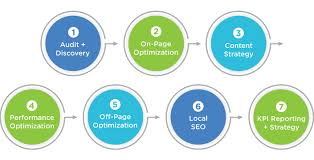
An effective strategy turns research into manageable work. A simple roadmap might prioritise tasks as follows:
- Fix serious technical or indexing problems.
- Improve the most important existing pages.
- Create content for valuable topics that are not yet covered.
- Strengthen internal links and the site’s information structure.
- Review results and update priorities regularly.
Assign an owner and a deadline to each task, and consider its likely impact alongside the effort required. This keeps SEO connected to everyday business priorities rather than leaving it as an open-ended list of recommendations.
Conclusion
A successful SEO strategy starts with a clear understanding of your audience and the outcomes your organisation wants to achieve. It combines useful content, sound technical foundations, clear page structure and ongoing measurement. By improving the website steadily and putting visitors’ needs first, you can build a stronger, more sustainable presence in organic search.
19 Frequently Asked Questions About SEO Strategy: Understanding and Implementing Effective Search Engine Optimisation Techniques
- What is a SEO strategy?
- What is a search engine optimization strategy?
- What are the three strategies of SEO?
- What are the 3 important components in SEO strategy?
- How is SEO strategy implemented?
- What is an example of an SEO strategy?
- What are the top 3 SEO strategies?
- What are the 5 important concepts of SEO?
- What is an example of SEO?
- What is the best way to optimize SEO?
- What are the 3 types of SEO?
- What are the 7 types of SEO?
- How SEO works step by step?
- What are the top three SEO strategies?
- What is the best search engine optimization strategy?
- What is an SEO strategy?
- What is SEO and how does it work?
- How do I optimize my search engine for SEO?
- What are the top 5 SEO strategies?
What is a SEO strategy?
An SEO strategy is a planned approach to improving a website’s visibility in organic search results. It typically includes researching what your audience searches for, creating useful and relevant content, improving the website’s technical performance and structure, and tracking results over time. The aim is to help the right people find your site and achieve meaningful outcomes, such as making an enquiry or completing a purchase.
What is a search engine optimization strategy?
A search engine optimisation (SEO) strategy is a planned approach to improving a website’s visibility in organic search results. It typically includes researching what your audience is looking for, creating useful and relevant content, improving the website’s structure and technical performance, and monitoring results over time. The aim is to help search engines understand your pages and make it easier for the right people to find and use them.
What are the three strategies of SEO?
The three main strategies of SEO are on-page, off-page and technical SEO. On-page SEO improves the content and elements on your pages, such as headings, page titles and internal links, so they are useful to visitors and clearly focused on their topic. Off-page SEO builds your website’s reputation beyond its own pages, often through earning relevant links and mentions from trusted websites. Technical SEO helps search engines access, understand and index your site, while supporting a fast, secure and mobile-friendly experience. A strong SEO strategy brings all three together around the needs of your audience.
What are the 3 important components in SEO strategy?
The three important components of an SEO strategy are technical SEO, on-page SEO and off-page SEO. Technical SEO ensures search engines can access, crawl and index your website effectively, while on-page SEO improves your content and page structure so they are relevant and useful to visitors. Off-page SEO focuses on building your website’s reputation and authority, for example by earning links from reputable, relevant websites.
How is SEO strategy implemented?
An SEO strategy is implemented by first setting clear goals and researching your audience, competitors and the search terms people use. Next, review the website to identify technical issues and opportunities to improve existing pages, then prioritise actions such as creating useful content, improving site structure and earning relevant links. Track progress using measures such as organic traffic, enquiries or sales, and search performance data. SEO is an ongoing process, so review results regularly and refine the plan as search behaviour and business priorities change.
What is an example of an SEO strategy?
An example of an SEO strategy is for a local plumber to target searches such as “emergency plumber in Bristol” by improving their service pages, publishing helpful advice on common plumbing problems, and ensuring their Google Business Profile and contact details are accurate. They could also make the website mobile-friendly, add clear links between related pages and track organic visits and enquiries using analytics tools. This combines relevant content, local SEO and technical improvements to attract potential customers and measure results.
What are the top 3 SEO strategies?
The top three SEO strategies are creating helpful, high-quality content that matches what people are searching for, improving your website’s technical foundations so it is fast, mobile-friendly and easy for search engines to crawl, and building authority through relevant internal links and genuine recommendations from reputable websites. Together, these approaches help people find and use your site while supporting stronger visibility in organic search results.
What are the 5 important concepts of SEO?
The five important concepts of SEO are keyword research, search intent, quality content, technical optimisation and authority. Keyword research helps identify the terms people use, while understanding search intent ensures a page answers what they are actually looking for. Useful, trustworthy content meets that need; technical optimisation helps search engines crawl and index the website; and authority is built through a strong reputation and relevant links from other sites. These elements work best together as part of an ongoing strategy focused on both people and search engines.
What is an example of SEO?
An example of SEO is a local bakery improving its website so people searching for “fresh bread in Bristol” can find it. The bakery could create a clear page about its bread, include its location and opening hours, use descriptive page titles, make the site work well on mobile phones and keep its local business listings accurate. These changes help search engines understand the business and make it easier for nearby customers to discover it.
What is the best way to optimize SEO?
The best way to optimise SEO is to create useful, trustworthy content that matches what your audience is searching for, while making your website fast, mobile-friendly and easy for both visitors and search engines to navigate. Research relevant search terms and intent, use clear page titles and headings, link related pages together and fix technical issues that affect crawling or indexing. Track organic traffic and meaningful outcomes, then regularly update your strategy based on what the data shows.
What are the 3 types of SEO?
The three main types of SEO are on-page, off-page and technical SEO. On-page SEO focuses on the content and elements within your website, such as page titles, headings and internal links. Off-page SEO involves building your website’s reputation beyond your own pages, for example by earning relevant links and mentions from other trusted sites. Technical SEO covers the behind-the-scenes foundations that help search engines crawl and understand your website, including its speed, mobile usability and site structure. A strong SEO strategy brings all three together.
What are the 7 types of SEO?
There is no universally agreed list, but seven commonly discussed types of SEO are on-page SEO, which improves individual pages; off-page SEO, which builds authority beyond your website; technical SEO, which helps search engines crawl and index your site; local SEO, which targets nearby customers; international SEO, which serves audiences in different countries or languages; e-commerce SEO, which helps product and category pages appear in search; and mobile SEO, which focuses on usability and performance on mobile devices. These areas often overlap, and the right priorities depend on your audience and business goals.
How SEO works step by step?
SEO works by helping search engines discover, understand and rank your website. First, search engines crawl pages by following links, then store eligible pages in their index. To improve visibility, research what your audience is searching for, create useful content that meets their needs, and make sure your website is technically accessible, mobile-friendly and quick to load. Clear page titles, headings and internal links help explain your content, while reputable links from other websites can strengthen its authority. Finally, monitor performance and refine your pages and strategy over time, as rankings and search behaviour can change.
What are the top three SEO strategies?
The top three SEO strategies are creating useful, high-quality content that matches what people are searching for; improving your website’s technical foundations, including mobile usability, page speed and crawlability; and building authority through relevant internal links and genuine mentions from reputable websites. Together, these practices help search engines understand your pages and make it easier for visitors to find and use them. The right priorities will depend on your audience, website and business goals, so review performance regularly and refine your approach over time.
What is the best search engine optimization strategy?
The best search engine optimisation (SEO) strategy is one tailored to your audience, business goals and website. Start by understanding what people are searching for and the intent behind those searches, then create accurate, genuinely useful content that meets their needs. Make sure your site is fast, mobile-friendly, easy to navigate and accessible to search engines, while using clear page titles, headings and internal links. Track meaningful results—such as relevant organic visits, enquiries or sales—and regularly review and improve your approach. SEO takes time, so focus on sustainable improvements rather than quick fixes or tactics that promise guaranteed rankings.
What is an SEO strategy?
An SEO strategy is a planned approach to improving a website’s visibility in organic search results. It brings together audience and keyword research, useful content, on-page optimisation, technical improvements and relevant link-building, with clear goals for measuring progress. A good strategy focuses on meeting people’s needs and is reviewed regularly as your website, audience and search landscape change.
What is SEO and how does it work?
Search engine optimisation (SEO) is the process of improving a website so it is easier for search engines to find, understand and show in relevant search results. Search engines discover pages by crawling the web, organise them in an index, then use many factors—such as relevance, content quality, usability and site performance—to decide which results to display for a search. SEO helps by making your pages useful to visitors, clearly structured and technically accessible, although results take time and rankings cannot be guaranteed.
How do I optimize my search engine for SEO?
To optimise your website for SEO, start by understanding what your audience is searching for and create useful, accurate content that meets their needs. Use clear page titles and headings, include relevant search terms naturally, and organise pages with helpful internal links. Make sure your site works well on mobile, loads quickly and can be crawled by search engines. Track performance with tools such as Google Search Console, then review and improve your content regularly.
What are the top 5 SEO strategies?
The top five SEO strategies are: understanding your audience and researching the searches they make; creating useful, original content that matches their needs; optimising page titles, headings, URLs and internal links; improving technical foundations such as mobile usability, site speed and crawlability; and measuring results with tools such as Google Search Console, then refining your approach. Building relevant, trustworthy links and keeping important information up to date can strengthen these efforts. SEO takes time, so focus on steady improvements and meaningful outcomes rather than quick fixes or rankings alone.