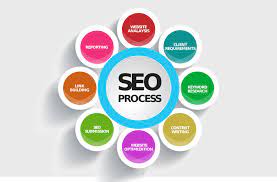
Search Engine Optimisation in Digital Marketing
Search engine optimisation (SEO) is a key part of digital marketing. It helps businesses improve their visibility in organic search results, attract relevant visitors to their websites and make it easier for potential customers to find useful information. Unlike paid advertising, SEO does not involve paying for each click, although it does require time, expertise and ongoing work.
SEO is not simply about adding keywords to a web page. It brings together content, website performance, technical setup and reputation to help search engines understand a site and decide when it may be useful to people searching online.
Why SEO matters
People often turn to search engines when they are researching a subject, comparing services or looking for a particular product. Appearing prominently for relevant searches can introduce a business to people who may not have encountered it otherwise.
A well-planned SEO strategy can help a business:
- Increase its visibility for relevant searches
- Attract visitors who are interested in its products, services or expertise
- Build trust by providing helpful, reliable information
- Improve the experience of using its website
- Support other marketing activity, including social media and paid campaigns
SEO is a long-term channel rather than a quick fix. Results can take time, and rankings are never guaranteed. However, useful content and a technically sound website can continue to attract visitors long after a page is published.
The main areas of SEO
Keyword and search-intent research
Keyword research explores the words and phrases people use when looking for information, products or services. The aim is not to target the highest-volume terms at any cost. It is to understand what people want to find and whether a business can provide a genuinely relevant answer.
Search intent is the purpose behind a search. Someone looking for general advice may need an informative guide, while someone searching for a specific service may be ready to compare providers. Matching the page to the visitor’s likely needs makes content more useful and can improve its chances of performing well.
On-page SEO
On-page SEO concerns the content and elements on individual web pages. Clear titles, descriptive headings, informative page copy and well-written meta descriptions help search engines and visitors understand what a page is about.
Keywords should appear naturally where they help explain the subject. Repeating them excessively can make content difficult to read and does not create a good experience. Strong pages answer the reader’s questions, use a logical structure and make important information easy to find.
Technical SEO
Technical SEO helps search engines access, understand and index a website. It can include improving page speed, making the site work well on mobile devices, fixing broken links, using secure connections and providing a clear site structure.
Technical issues can make it harder for search engines to find pages or for visitors to use them. Regular checks can uncover problems such as duplicate pages, missing redirects or content that is difficult to access. Technical SEO supports good content; it does not replace it.
Content quality
Useful content is at the heart of sustainable SEO. It should be accurate, relevant and written for the people it is intended to help. Depending on the business and audience, this could include service pages, product descriptions, guides, frequently asked questions or original research.
Before creating a new page, consider what a reader needs to know and whether the existing site already covers the topic. Updating an older page may be more valuable than publishing another page on the same subject. Content should also be reviewed when facts, services or customer needs change.
Authority and links
Links from other reputable websites can help people discover a business and may contribute to its authority in search. The most sustainable way to earn links is to publish something genuinely useful, build relationships and make it easy for relevant organisations to reference the work.
Buying links or taking part in manipulative link schemes can put a website at risk. A sound approach focuses on credibility and relevance rather than collecting as many links as possible.
How SEO fits into digital marketing
SEO works best as part of a wider digital marketing plan. Insights from SEO research can inform content marketing, product development and paid search campaigns. In turn, social media, email marketing and public relations can help more people discover a business and its content.
For example, a business might use search data to identify common customer questions, publish a detailed guide answering them, share the guide through its email newsletter and use paid advertising to reach a particular audience. Each channel has a different role, but they can support the same marketing goals.
Measuring SEO performance
SEO should be measured against business objectives, not rankings alone. Useful measures may include organic visits, enquiries, sales, relevant search visibility and the number of visitors who complete a desired action.
Tools such as web analytics platforms and search performance reports can help businesses understand how people find and use their websites. Data should be considered over time: seasonal patterns, changes in demand and updates to search results can all affect performance.
It is also important to look beyond traffic volume. A smaller number of highly relevant visitors may be more valuable than a large audience with little interest in the business. Tracking enquiries or sales alongside search metrics gives a clearer picture of SEO’s contribution.
Common SEO mistakes to avoid
- Writing for search engines instead of providing value to readers
- Using the same keywords repeatedly or unnaturally
- Publishing large amounts of thin or duplicated content
- Ignoring mobile usability and page performance
- Expecting immediate results from a long-term strategy
- Focusing on rankings without measuring meaningful business outcomes
- Using shortcuts that may damage trust or violate search engine guidelines
Building a practical SEO strategy
A practical SEO plan starts with clear goals. A business should understand its audience, identify the products or services it wants to promote and review how its website is performing. From there, it can prioritise improvements, create or update useful content and monitor the results.
SEO is an ongoing process. Search behaviour changes, competitors improve their websites and business priorities evolve. Regular reviews help ensure that a strategy remains relevant and that time is spent on the work most likely to benefit customers and the business.
Conclusion
Search engine optimisation is an essential part of digital marketing because it connects people with relevant, useful information. By combining thoughtful research, helpful content, sound technical foundations and consistent measurement, businesses can build a stronger presence in organic search and create a better experience for their audience.
9 Essential SEO Tips for Effective Digital Marketing
- Research keywords your audience actually uses.
- Write clear, useful title tags.
- Create helpful, original content.
- Use descriptive headings and URLs.
- Make pages fast and mobile-friendly.
- Add alt text to meaningful images.
- Earn links from reputable websites.
- Fix broken links and crawl errors.
- Track rankings, traffic and conversions.
Research keywords your audience actually uses.
Research the keywords your audience actually uses by considering the questions they ask, the terms they use for your products or services, and the problems they want to solve. Keyword research tools, customer feedback and search data can help uncover these phrases, but focus on relevance rather than search volume alone. Understanding the intent behind a search helps you create content that answers people’s needs, attracts more qualified visitors and supports your wider digital marketing goals.
Write clear, useful title tags.
Write clear, useful title tags to help both search engines and people understand what each page is about. Keep each title concise and specific, placing the most important topic near the beginning and adding your business name where it makes sense. Make sure every page has a unique title that accurately reflects its content, and avoid keyword stuffing or vague wording. A well-written title can make your page easier to recognise in search results and encourage the right people to visit.
Create helpful, original content.
Create helpful, original content that gives your audience a clear reason to visit your website. Focus on answering real questions, solving problems and sharing accurate information based on your expertise or experience. Avoid copying other sources or producing pages solely to include keywords; instead, write naturally, organise ideas clearly and keep information up to date. Useful content is more likely to earn readers’ trust, encourage them to return and support your search engine optimisation over time.
Use descriptive headings and URLs.
Use descriptive headings and URLs to help both visitors and search engines understand what each page is about. Organise content with clear, relevant headings that accurately describe the sections below them, making the page easier to scan and navigate. Keep URLs short, readable and specific to the page topic, using words rather than a string of numbers or confusing characters. Clear headings and URLs support a better user experience and can help search engines interpret and display your content appropriately.
Make pages fast and mobile-friendly.
Make your pages fast and mobile-friendly to give visitors a smooth experience and help them find what they need without delay. Compress images, reduce unnecessary code and check that pages load quickly on different connections. Use responsive design so text, buttons and navigation work well on smaller screens, and test key tasks such as filling in a form or making a purchase on a mobile device. A faster, easier-to-use website can encourage visitors to stay and engage, while supporting your wider SEO efforts.
Add alt text to meaningful images.
Add concise, descriptive alt text to meaningful images so that people using screen readers can understand the image’s purpose and search engines can interpret its context. Describe what is shown or the information the image conveys, rather than listing keywords or beginning with phrases such as “image of”. Decorative images that add no useful information should generally have empty alt text, so assistive technology can skip them.
Earn links from reputable websites.
Earn links from reputable websites by creating useful, original content that others genuinely want to reference. Relevant links can help people discover your site and may strengthen its authority in search results. Build relationships with trusted organisations, industry publications and experts, and make your content easy to share. Avoid buying links or using manipulative schemes, as these can undermine trust and may lead to search engine penalties.
Fix broken links and crawl errors.
Fixing broken links and crawl errors helps both visitors and search engines navigate your website. Broken links can lead to frustrating dead ends, while crawl errors may prevent important pages from being discovered or indexed. Check your site regularly using tools such as Google Search Console or a website crawler, then update incorrect URLs, restore missing pages or add suitable redirects. Prioritise errors affecting valuable content, and make sure redirects lead to relevant pages rather than unrelated sections of your site.
Track rankings, traffic and conversions.
Track rankings, traffic and conversions to understand whether your SEO activity is delivering meaningful results. Rankings show how visible your pages are for relevant searches, while organic traffic reveals whether people are visiting your site through search engines. Conversions—such as enquiries, bookings or purchases—show whether those visits are supporting your business goals. Review these measures regularly and together: strong traffic without conversions may point to a mismatch between your content and visitors’ needs, while changes in rankings can help highlight opportunities for improvement.