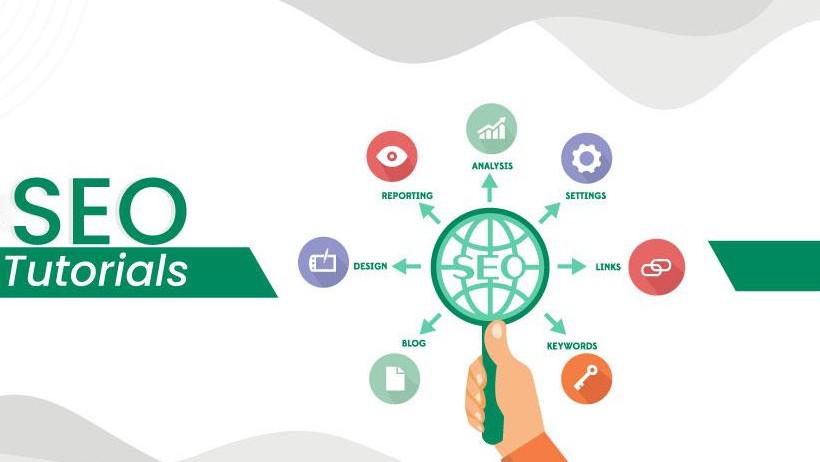
Search Engine Optimisation Analysis: A Practical Guide
Search engine optimisation (SEO) analysis is the process of assessing how well a website is set up to appear in search results and attract relevant visitors. It looks beyond rankings alone, examining a site’s technical health, content, user experience and authority. A thorough analysis helps identify what is working, what is holding a website back and which improvements are most likely to make a difference.
Why SEO analysis matters
Search engines use many signals to decide which pages to show for a query. A website may have useful information but still struggle to gain visibility if its pages are difficult to crawl, slow to load or poorly matched to what people are searching for. Conversely, a technically sound site may attract little organic traffic if its content does not meet users’ needs.
Regular analysis helps businesses and website owners to:
- Find technical issues that prevent pages from being crawled or indexed.
- Understand which pages and search queries generate organic visits.
- Identify gaps in content and opportunities to answer relevant questions.
- Improve the experience for visitors using mobile devices or slower connections.
- Track changes over time and prioritise work based on evidence.
Review organic search performance
Begin by looking at how people find the website through unpaid search results. Useful data includes impressions, clicks, click-through rate and average position. These figures can help reveal patterns, but they should be considered together rather than in isolation. For example, a page may receive many impressions but few clicks, suggesting that its title or description could be clearer or more compelling.
Analyse performance by page, search query, device and location where relevant. Compare equivalent periods, taking seasonality and changes to the website into account. A drop in traffic does not always mean that the site has been penalised: it may reflect changing demand, increased competition, tracking issues or a change in search results.
Check crawling and indexing
Search engines need to discover and process pages before they can show them in results. Check that important pages can be crawled and indexed, and that pages intended to remain private or excluded from search are handled appropriately.
Key areas to review include:
- Robots.txt: Confirm that it does not unintentionally block important parts of the site.
- XML sitemap: Make sure it lists the canonical URLs intended for search engines and is kept up to date.
- Indexing directives: Check for accidental “noindex” instructions on valuable pages.
- Canonical tags: Look for duplicate or similar pages and ensure preferred versions are identified correctly.
- Redirects and errors: Fix broken links, redirect chains and unnecessary redirects where practical.
Indexing reports and URL inspection tools can help diagnose individual pages. However, a page’s presence in an index is not guaranteed, even when it is technically accessible. Search engines make their own decisions about which pages to include.
Assess technical SEO
Technical SEO supports the ability of search engines and people to use a website. It is not about making a site complicated; it is about removing barriers and providing a reliable experience.
Review the site’s loading speed, mobile usability, secure connections and overall stability. Core Web Vitals can provide useful measures of loading performance, responsiveness and visual stability, but they should be considered alongside real user needs. A fast page is valuable, yet speed alone cannot make irrelevant content useful.
Also check the site’s structure. Important pages should be reachable through clear navigation and sensible internal links. Descriptive URLs, logical categories and consistent breadcrumbs can help visitors understand where they are and how pages relate to one another.
Evaluate content and search intent
Content analysis asks whether each page is useful, accurate and suited to the reason behind a search. Search intent may be informational, navigational, commercial or transactional. A guide that explains a topic in depth may suit an informational query, while a product page is more appropriate for someone ready to compare or buy.
For each important page, consider:
- Does it answer the reader’s main question clearly?
- Is the information accurate, current and easy to understand?
- Does the page offer something useful beyond what is already widely available?
- Is the topic reflected naturally in the page title, headings and copy?
- Are images, tables or other elements accessible and helpful?
- Does the page have a clear next step for the reader?
Keyword research can help reveal the language people use, but keywords should inform content rather than dictate awkward repetition. Avoid creating multiple pages that compete for the same purpose. Where pages overlap, consider improving, combining or redirecting them, depending on their value and role.
Examine on-page elements
On-page SEO includes the elements that help people and search engines understand an individual page. Page titles should be distinctive and accurately describe the content. Meta descriptions do not directly determine rankings, but a clear description may help searchers decide whether to visit.
Use headings to organise information in a logical order, not simply to insert search terms. Add descriptive alternative text to meaningful images, and use concise, relevant internal link text. These details improve clarity and accessibility as well as supporting search visibility.
Review links and authority
External links from other websites can help people discover a site and may contribute to its perceived authority. Analyse the quality and relevance of referring websites, rather than focusing only on the number of links. A small number of genuine, relevant mentions may be more valuable than many low-quality links.
Internal links matter too. They connect related pages, help visitors find useful information and make important content easier to discover. Look for valuable pages that are difficult to reach, and add links where they genuinely help users. Avoid manipulative link schemes or bulk link-building tactics that promise quick results.
Compare competitors and identify gaps
Competitor analysis can show how other sites address the same audience and topics. Look at the pages that appear in search results for relevant queries, the formats they use and the questions they answer. The aim is not to copy competitors, but to understand what searchers may expect and where a site can provide a clearer or more complete response.
Search results can vary by location, device and time, so competitor findings should be treated as a guide rather than a fixed formula. Look for opportunities to contribute original expertise, useful examples or a better-organised explanation.
Turn findings into an action plan
An SEO analysis is most useful when it leads to practical, prioritised work. For each issue or opportunity, record its likely impact, the effort required and any dependencies. Address problems that affect important pages or prevent search engines from accessing content before spending time on minor refinements.
A simple action plan might include:
- Fix critical crawling, indexing or security issues.
- Improve pages that already receive impressions but have weak engagement.
- Update outdated or incomplete content.
- Strengthen internal links to important pages.
- Develop new content where there is a clear audience need.
- Measure results and adjust the plan as new evidence emerges.
Tools for SEO analysis
Several types of tools can support an analysis. Search performance platforms provide data on queries and clicks; web analytics tools help assess visits and user behaviour; crawling tools can identify broken links and technical patterns; and speed-testing tools can highlight performance issues. Keyword and competitor research platforms can also help with discovery.
No single tool provides a complete picture. Data should be checked against the website itself and interpreted in context. For example, analytics data may be affected by consent choices or tracking configuration, while automated audits can flag issues that have little practical impact.
How often should SEO analysis be carried out?
SEO analysis should be ongoing, with the depth and frequency suited to the site. Key performance indicators can be reviewed regularly, while a broader technical and content review may be scheduled periodically or after significant changes, such as a redesign, a migration or a major content update.
Search visibility can take time to change, so avoid judging every improvement after only a few days. Record what was changed and when, then compare results over a suitable period. This makes it easier to distinguish meaningful trends from normal fluctuations.
Conclusion
Search engine optimisation analysis combines technical checks, performance data, content review and a close understanding of the audience. Its purpose is not simply to chase higher rankings, but to make a website easier to find, understand and use. By prioritising evidence-based improvements and reviewing their impact over time, organisations can build a more sustainable presence in organic search.
Essential FAQs on SEO Analysis: Understanding, Conducting, and Optimising for Better Rankings
- What is search engine optimisation analysis?
- Why is SEO analysis important?
- How do you conduct an SEO analysis?
- Which tools are best for SEO analysis?
- How often should you analyse your website’s SEO?
- What should an SEO analysis include?
- How can SEO analysis improve search rankings?
- How do you analyse a competitor’s SEO?
- How long does it take to see results after making changes based on an SEO analysis?
What is search engine optimisation analysis?
Search engine optimisation (SEO) analysis is the process of reviewing a website to understand how well it performs in search results and what could be improved. It typically examines technical factors such as crawling, indexing and page speed, alongside content quality, keyword relevance, user experience and links. The findings help identify issues and opportunities, so website owners can prioritise changes that make their pages easier for search engines to understand and more useful to visitors.
Why is SEO analysis important?
SEO analysis is important because it shows how well your website is performing in search results and highlights what may be preventing it from reaching the right audience. By reviewing technical issues, content, keywords, user experience and organic traffic, you can identify practical improvements, prioritise your efforts and measure their impact over time. Regular analysis helps keep your website useful, accessible and competitive as search behaviour and algorithms change.
How do you conduct an SEO analysis?
To conduct an SEO analysis, start by reviewing organic search performance, including impressions, clicks and the pages and queries bringing visitors to your site. Then check technical factors such as crawlability, indexing, mobile usability, page speed and broken links. Assess whether your content is accurate, useful and aligned with search intent, and review page titles, headings, internal links and backlinks. Use tools such as Google Search Console, analytics platforms and website crawlers to gather evidence, then prioritise improvements by likely impact and effort. Track changes over time to see what is working and where further improvements are needed.
Which tools are best for SEO analysis?
The best tools for SEO analysis depend on what you need to investigate. Google Search Console is useful for checking search performance, indexing and technical issues, while Google Analytics can show how visitors behave on your site. Crawling tools such as Screaming Frog help uncover broken links, redirect issues and page-level problems; PageSpeed Insights can assess loading performance; and platforms such as Ahrefs or Semrush offer keyword, backlink and competitor research. No single tool provides a complete picture, so combine relevant tools and interpret their findings in the context of your website and goals.
How often should you analyse your website’s SEO?
Review your website’s SEO performance monthly to spot changes in traffic, rankings and search queries, and carry out a more thorough analysis every three to six months. Check it sooner after a website redesign, migration, major content update or unexpected drop in organic traffic. The right schedule depends on how often your site changes and how competitive your market is; focus on meaningful trends rather than reacting to short-term fluctuations.
What should an SEO analysis include?
An SEO analysis should include a review of technical health, including crawlability, indexing, site speed, mobile usability and broken links; an assessment of keyword visibility, search performance and competitors; and an evaluation of content, page titles, headings, meta descriptions and internal links. It should also consider backlink quality and the overall user experience. The findings should identify the most important issues and opportunities, with clear recommendations prioritised by likely impact and effort.
How can SEO analysis improve search rankings?
SEO analysis can improve search rankings by revealing issues and opportunities across a website’s technical setup, content and links. It can identify pages that are difficult for search engines to crawl, content that does not fully meet searchers’ needs, and relevant topics or internal links that could be developed. By prioritising these findings and making useful, evidence-led improvements, a website can become easier to understand and more relevant to search queries, which may strengthen its visibility over time. Results are not guaranteed or immediate, as rankings also depend on competition and changes to search algorithms.
How do you analyse a competitor’s SEO?
To analyse a competitor’s SEO, identify the businesses competing for the same audience and search terms, then review the pages that perform well in search results. Look at the topics and keywords they target, how thoroughly their content answers users’ questions, their site structure and internal links, and the quality of websites linking to them. SEO tools can help estimate organic traffic, rankings and backlinks, but treat these figures as indicative rather than exact. Use the findings to spot gaps and opportunities to create more useful, distinctive content—not to copy a competitor’s strategy.
How long does it take to see results after making changes based on an SEO analysis?
The time it takes to see results after making changes based on an SEO analysis varies. Minor technical fixes may be reflected in search results within days or weeks once search engines recrawl the site, while improvements to rankings and organic traffic often take several weeks or months. The timeframe depends on factors such as the scale of the changes, how frequently the site is crawled, competition and the website’s existing authority. Track relevant performance over time, rather than expecting immediate results.