Internet Marketing and SEO: A Practical Guide to Growing Online
Internet marketing helps businesses reach people online, build relationships with customers and encourage useful actions, such as making a purchase or signing up to a newsletter. Search engine optimisation (SEO) is one part of this wider activity. It helps a website become easier to find in unpaid search results and more useful to the people who visit it.
When planned together, internet marketing and SEO can support steady, long-term growth. This guide explains how they work, what a sound strategy involves and how to measure progress.
What is internet marketing?
Internet marketing is the promotion of a business, product or service through online channels. These may include:
- Search engines
- Websites and blogs
- Email newsletters
- Social media platforms
- Online advertising
- Video and other digital content
Each channel can serve a different purpose. A useful article might introduce a business to a new audience, while an email campaign can keep existing customers informed. Paid advertising may help a new offer reach people quickly, whereas SEO is generally a longer-term effort to attract relevant visitors from search.
What is SEO?
SEO is the practice of improving a website so that search engines can understand its pages and people can find information that meets their needs. It involves more than adding keywords to a page. Good SEO brings together useful content, clear site structure, technical reliability and a positive experience for visitors.
Search engines aim to show results that are relevant and helpful. No one can guarantee a particular ranking, but a well-maintained website gives search engines and users clearer signals about what it offers.
How SEO fits into internet marketing
SEO works best as part of a broader marketing plan. It can help attract people who are already looking for information, products or services related to a business. Those visitors may then explore other content, subscribe to updates or get in touch.
Insights from other marketing activities can also strengthen SEO. Customer questions raised by a sales team, for example, can inspire useful website content. Email and social media can help distribute that content, while analytics can show which topics attract the most interest.
Key parts of an effective SEO strategy
Understand your audience
Start by identifying the people you want to reach and what they are trying to find out. Consider their questions, needs and level of familiarity with your products or services. This helps you create pages that are genuinely relevant rather than content written solely to attract search traffic.
Research search terms
Keyword research helps reveal the words and phrases people use when searching. Look beyond broad terms and consider specific questions or needs. A small number of well-targeted pages can be more valuable than many pages aimed at similar, generic keywords.
Use search terms naturally. Pages should read clearly and provide complete answers; repeating the same phrase unnaturally can make content difficult to use.
Create useful, original content
Good content should be accurate, clear and appropriate for its audience. It might take the form of service pages, product information, guides, case studies or frequently asked questions. Keep information up to date, credit sources where appropriate and avoid making claims that cannot be supported.
Make the website easy to use
A clear navigation menu, descriptive page titles and logical headings help visitors find their way around. Pages should work well on mobile devices, load reliably and make important information easy to access. A secure connection and accessible design also contribute to a more dependable experience.
Pay attention to technical SEO
Technical SEO includes the behind-the-scenes elements that help search engines discover and interpret a website. This can involve improving page speed, fixing broken links, using clear URLs and ensuring that important pages can be crawled and indexed. Technical work should support the needs of users as well as search engines.
Earn relevant links and references
Links from other reputable websites can help people discover your content and provide context about your business. Focus on earning them through useful resources, genuine partnerships, expert contributions and worthwhile news. Avoid schemes that promise large numbers of links, as low-quality link-building can damage trust and may breach search engine guidelines.
Using other marketing channels alongside SEO
SEO can take time to build, so businesses often combine it with other channels. Paid search can provide visibility for selected searches, while social media can help share content and engage with an audience. Email marketing can bring people back to useful resources or keep customers informed.
These channels should have clear roles. For example, paid advertising may support a time-sensitive campaign, while SEO helps build a lasting library of information. Consistent messaging across channels can make a business easier to recognise and understand.
Measuring results
Rankings alone do not show whether marketing is working. Choose measures that reflect your goals, such as:
- Relevant organic visits to key pages
- Enquiries, bookings or sales from search traffic
- Newsletter subscriptions or other meaningful sign-ups
- Engagement with important content
- Technical issues affecting access or indexing
Use analytics and search performance tools to look for trends over time. Allow for seasonal changes and other factors, and avoid making major decisions based on a short-term fluctuation. Regular reviews can help identify what to improve next.
Common mistakes to avoid
- Writing for search engines instead of people: Content should answer real questions and be easy to understand.
- Expecting instant results: SEO often requires ongoing work and patience.
- Publishing thin or duplicated pages: Each page should offer a clear purpose and useful information.
- Ignoring mobile users: Check that pages are readable and usable on smaller screens.
- Chasing every trend: Focus on tactics that suit your audience and business goals.
- Relying on rankings alone: Connect search visibility to meaningful outcomes, such as qualified enquiries.
Building a sustainable approach
Successful internet marketing is based on understanding an audience, choosing appropriate channels and delivering a consistent experience. SEO contributes by helping people find useful pages through search, but it is not a one-off task or a shortcut to guaranteed results.
Set clear goals, publish content with a purpose, maintain your website and review performance regularly. By treating SEO as part of a wider marketing strategy, businesses can build stronger online visibility and create lasting value for the people they want to reach.
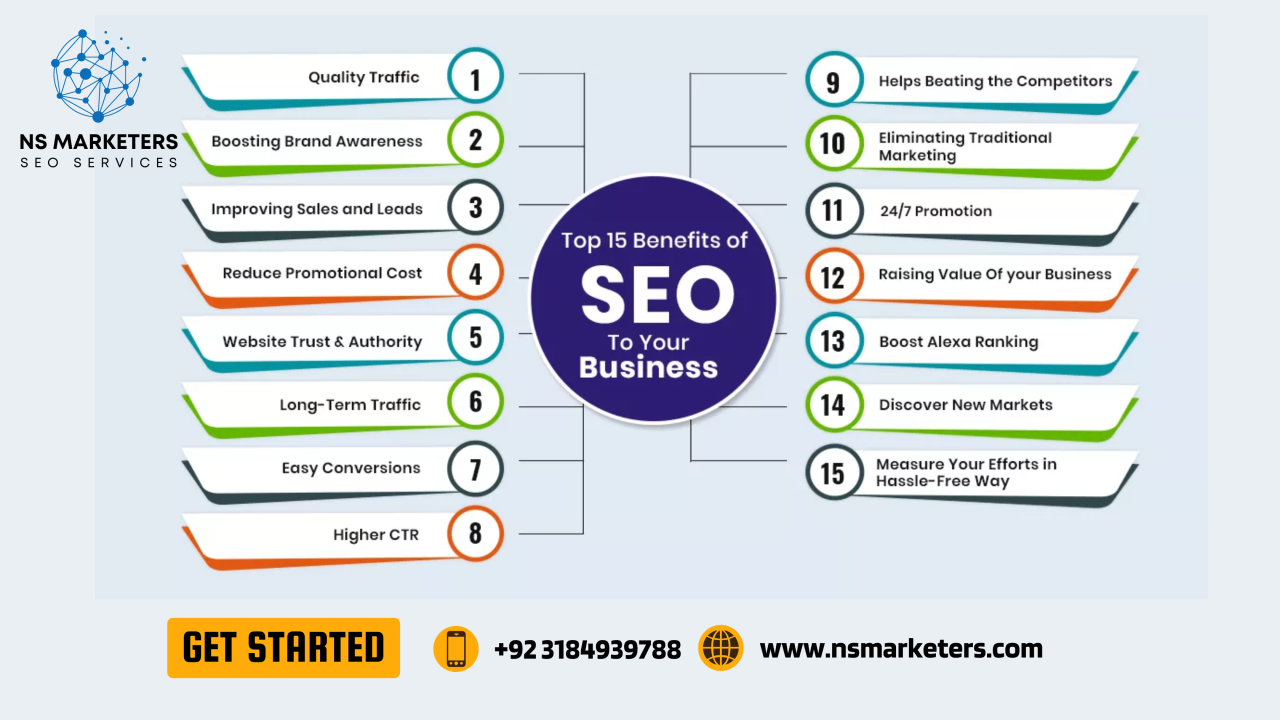
Top 9 Advantages of Internet Marketing SEO: Boosting Visibility, Traffic, and Brand Success
- Increases online visibility
- Attracts relevant visitors
- Builds long-term organic traffic
- Supports brand awareness
- Targets customer search intent
- Improves website usability
- Delivers measurable insights
- Complements other marketing channels
- Can generate cost-effective leads
Challenges of Internet Marketing SEO: Understanding the Potential Drawbacks
- SEO can take months to show results.
- Rankings can change unexpectedly.
- Competition for popular keywords is high.
- Results are not guaranteed.
- Regular content and technical updates take time.
- Poor SEO tactics can harm website visibility.
Increases online visibility
Internet marketing SEO can increase a business’s online visibility by helping its website appear in relevant search results. When pages are clear, useful and well optimised, more potential customers can discover the business while searching for related products, services or information. Greater visibility can bring more relevant visitors to the website and help build awareness over time.
Attracts relevant visitors
SEO can attract relevant visitors by helping your website appear when people search for information, products or services related to your business. Because these visitors are already interested in the topic, they may be more likely to explore your content, make an enquiry or become customers. By focusing on the questions and search terms that matter to your audience, you can reach people with a genuine interest in what you offer.
Builds long-term organic traffic
One of the key benefits of internet marketing SEO is its potential to build long-term organic traffic. By creating useful content and improving your website’s visibility in search results, you can attract people who are actively looking for information, products or services like yours. Unlike paid advertising, which typically stops generating visits when the budget runs out, well-maintained SEO pages can continue bringing relevant visitors over time. Results are not instant or guaranteed, but consistent, audience-focused optimisation can create a durable source of website traffic.
Supports brand awareness
Internet marketing SEO supports brand awareness by helping your website appear when people search for topics, products or services related to your business. Even when visitors do not click through straight away, seeing your name in relevant search results can make it more familiar over time. Useful content and consistent messaging can further strengthen recognition, helping potential customers remember your brand when they are ready to take action.
Targets customer search intent
Targets customer search intent
One of the key advantages of SEO in internet marketing is its ability to connect businesses with people who are actively searching for relevant information, products or services. By understanding the questions and phrases customers use, you can create pages that meet their needs at the right moment. This makes your website more relevant to potential customers and can attract visitors who are more likely to engage, enquire or make a purchase.
Improves website usability
A well-planned SEO strategy can improve website usability by making pages easier to navigate, understand and use. Clear headings, logical menus, descriptive links and fast-loading pages help visitors find the information they need with less effort. These improvements can also make a site more accessible on mobile devices, creating a smoother experience for a wider range of users.
Delivers measurable insights
One of the key benefits of internet marketing SEO is that it delivers measurable insights. Analytics tools can show how people find and use your website, which pages attract organic visits and what actions visitors take, such as making an enquiry or completing a purchase. These insights help you understand what is working, identify areas for improvement and make informed decisions about future marketing activity.
Complements other marketing channels
SEO works particularly well alongside other marketing channels, helping to create a consistent and effective online presence. Useful website content can be shared through social media and email, while customer questions and campaign insights from those channels can inspire new SEO content. Paid advertising can deliver quicker visibility for specific offers, while SEO builds longer-term visibility in search results. Together, these channels can reach people at different stages of their customer journey and support stronger overall marketing results.
Can generate cost-effective leads
Internet marketing SEO can generate cost-effective leads by helping a business appear in search results when people are actively looking for relevant products or services. Unlike paid advertising, organic traffic does not require a fee for every click, so well-optimised pages can continue attracting potential customers over time. Although SEO takes effort and investment to build, useful content and a technically sound website can deliver a steady flow of relevant enquiries, making it an efficient part of a long-term marketing strategy.
SEO can take months to show results.
One drawback of SEO is that it can take months to show noticeable results. Search engines need time to discover and assess website changes, while building useful content and earning trust takes ongoing effort. This means SEO may not be suitable as the only option for businesses that need immediate traffic or sales. Paid advertising and other short-term marketing activity can help fill the gap while organic visibility grows.
Rankings can change unexpectedly.
Search engine rankings can change unexpectedly, even when a website’s content and SEO strategy have remained consistent. Search engines regularly update their algorithms, while competitors may improve their own websites and user behaviour can shift over time. As a result, a page that once attracted steady traffic may lose visibility, affecting visits and potential enquiries or sales. Regularly reviewing performance and keeping content useful and up to date can help businesses respond, but rankings cannot be guaranteed.
Competition for popular keywords is high.
Competition for popular keywords can make SEO challenging, particularly for newer businesses or websites with limited resources. Established competitors may already have strong content, a trusted reputation and many relevant links, making it difficult to appear near the top of search results. Instead of focusing only on broad, highly competitive terms, businesses can target more specific search phrases that reflect their audience’s needs. These may attract fewer searches, but can bring visitors who are more likely to find the information or service they are looking for.
Results are not guaranteed.
One drawback of internet marketing SEO is that results are not guaranteed. Search rankings and website traffic can change because of competition, search engine updates and shifts in customer behaviour, even when a business follows good practice. SEO also takes time, so there may be no immediate increase in enquiries or sales. It is best viewed as an ongoing investment, with progress monitored and the strategy adjusted as circumstances change.
Regular content and technical updates take time.
Regular content and technical updates can make internet marketing SEO time-consuming. Businesses need to research topics, create and refresh useful pages, check for broken links, monitor performance and keep their websites secure and working well on different devices. These tasks require ongoing attention, so smaller teams may need to plan carefully or seek specialist support to maintain progress.
Poor SEO tactics can harm website visibility.
Poor SEO tactics can do more harm than good. Practices such as keyword stuffing, publishing low-quality content or buying links may undermine a website’s credibility and lead to lower visibility in search results. Search engine rules and algorithms also change, so shortcuts that seem effective at first can become risky over time. A safer approach is to focus on useful, original content, a technically sound website and relevant links earned naturally.