Organic SEO Services: A Practical Guide to Sustainable Search Growth
When people search online for a product, service or answer, they often begin with a search engine. Organic SEO services help businesses improve their visibility in unpaid search results, making it easier for potential customers to find relevant pages on their website.
Unlike paid search advertising, organic SEO does not involve paying for each click. Instead, it focuses on improving a website’s relevance, usefulness and technical performance over time. Results are not instant or guaranteed, but a well-planned SEO strategy can support sustainable online growth.
What are organic SEO services?
Organic SEO services are activities designed to help a website appear more prominently in the natural results on search engines such as Google. They typically combine research, website improvements and ongoing analysis.
The exact work depends on a business’s goals, website and industry. A local business may prioritise location-based searches, while an online retailer may focus on product pages and category content. A professional SEO service should tailor its recommendations to the business rather than rely on a one-size-fits-all package.
What do organic SEO services include?
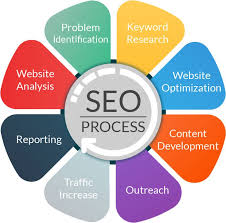
SEO audits and strategy
An SEO audit reviews a website’s existing performance and identifies opportunities or problems. It may assess page structure, content, internal links, mobile usability, site speed and technical issues. The findings help shape a strategy based on business priorities and realistic opportunities.
Keyword and search-intent research
Keyword research explores the words and questions people use when looking for products, services or information. Good research considers not only search volume, but also intent: what the searcher is trying to achieve.
For example, someone searching for “how to choose running shoes” may want advice, while someone searching for “buy running shoes” may be ready to purchase. Understanding this difference helps businesses create pages that meet the needs of their audience.
On-page optimisation
On-page SEO improves the content and structure of individual pages. This can include refining page titles and headings, making copy clearer, improving internal links and ensuring that each page has a distinct purpose.
The aim is to help both visitors and search engines understand what a page offers. Keywords can be useful, but they should fit naturally into helpful, readable content. Repeating phrases unnaturally can make a page worse for users and is not a substitute for quality.
Content development
Useful content can answer customers’ questions, explain a service or help people compare their options. An SEO content plan may identify gaps in the existing website and recommend new articles, guides, landing pages or product descriptions.
Content should be accurate, clear and written for people first. It also needs to match the purpose of the page and provide information that is genuinely valuable to its intended audience.
Technical SEO
Technical SEO addresses how effectively search engines can access, understand and index a website. Work may involve fixing broken links, improving site architecture, reviewing duplicate pages, checking redirects and ensuring the website works well on mobile devices.
Technical requirements vary between websites. A specialist can help prioritise issues according to their likely impact, rather than treating every audit finding as equally urgent.
Local SEO
For businesses serving a particular area, local SEO can help improve visibility in location-based searches. This may include keeping business details consistent online, optimising location pages and managing a business profile on relevant platforms.
Local SEO is particularly useful for organisations such as tradespeople, professional services, shops and clinics that want to reach customers in specific towns or regions.
Measurement and reporting
SEO should be monitored over time. Reporting may cover organic traffic, search visibility, page performance, enquiries or sales. The most useful measures depend on the business’s objectives: more visits are not necessarily valuable if they do not attract the right audience or support meaningful outcomes.
Why invest in organic SEO?
- Reach people at the right moment: Search visibility can connect a business with people already looking for relevant information or services.
- Build long-term visibility: Strong pages may continue to attract visitors after they are published, although ongoing maintenance and updates may be needed.
- Improve the website experience: Clearer navigation, useful content and better mobile usability can benefit visitors as well as search performance.
- Understand customer needs: Search data can reveal common questions, concerns and topics of interest.
- Complement other marketing: Organic search can work alongside paid advertising, social media, email and other channels.
How long does organic SEO take?
SEO is a gradual process. The time it takes to see meaningful progress depends on factors such as the website’s current condition, the competitiveness of the market, the quality of existing content and the resources available to make improvements.
Some changes may be reflected relatively quickly, while building stronger visibility for competitive searches can take considerably longer. A responsible provider will explain what is being prioritised, set appropriate expectations and report on progress without promising specific rankings.
Choosing an organic SEO provider
When comparing SEO providers, look for a clear explanation of their approach and how their work will support your business goals. Ask what is included, how progress is measured and who will be responsible for making changes to the website.
Be cautious of guarantees of a number-one ranking, vague reports or tactics that promise rapid results without explaining how they work. Search engines change, competitors adapt and rankings cannot be controlled outright. A trustworthy provider should be open about limitations, focus on sustainable practices and make recommendations that benefit your audience as well as your visibility.
Getting started with organic SEO
A strong organic SEO programme begins with clear objectives. Decide what the business wants to achieve, identify the audiences it needs to reach and review whether the website gives those visitors useful answers. From there, an audit and search research can help establish priorities.
Organic SEO services are most effective when treated as ongoing work rather than a one-off fix. By combining useful content, sound technical foundations and consistent measurement, businesses can build a website that is easier to find and more helpful to the people who visit it.
Understanding Organic SEO Services: Key Questions Answered
- What do organic SEO services include?
- How much do organic SEO services cost?
- How long does it take to see results from organic SEO?
- How do organic SEO services differ from paid search advertising?
- Can organic SEO services guarantee a number-one ranking on Google?
- How can I choose the right organic SEO provider for my business?
What do organic SEO services include?
Organic SEO services typically include an audit of your website, keyword and search-intent research, on-page optimisation, content planning and creation, technical improvements, and performance monitoring. Depending on your business, they may also cover local SEO, internal linking and advice on improving the visitor experience. The exact work should be tailored to your website and goals, with progress measured against relevant outcomes such as qualified traffic, enquiries or sales.
How much do organic SEO services cost?
The cost of organic SEO services varies depending on your website, industry, competition and the scope of work required. Some providers charge a monthly retainer, while others offer one-off audits or project-based services. A straightforward campaign for a small local business may cost less than a broader strategy involving technical improvements, content creation and multiple locations. Ask providers for a clear breakdown of what is included, how progress will be measured and whether any additional costs may apply. Be cautious of unusually low prices or guarantees of specific rankings, as sustainable SEO takes time and results cannot be guaranteed.
How long does it take to see results from organic SEO?
Organic SEO usually takes several months to show meaningful results, although the timeframe varies depending on your website, competition, industry and the work required. Some technical improvements may have an effect sooner, while building visibility for competitive search terms can take longer. SEO is an ongoing process, so progress is best measured over time through relevant indicators such as organic traffic, enquiries and sales rather than rankings alone. No provider can guarantee a specific position or timeframe.
How do organic SEO services differ from paid search advertising?
Organic SEO services aim to improve a website’s visibility in unpaid search results through activities such as creating useful content, optimising pages and resolving technical issues. Paid search advertising, by contrast, places sponsored listings in search results in exchange for payment, often charged per click. Ads can generate visibility quickly, but traffic generally stops when the campaign ends; organic SEO usually takes longer to build, but may support lasting visibility over time. Both approaches can complement each other, depending on your goals, budget and timescales.
Can organic SEO services guarantee a number-one ranking on Google?
No reputable organic SEO service can guarantee a number-one ranking on Google. Search results are influenced by many factors, including competition, search intent and ongoing changes to Google’s systems, and no provider controls them all. A trustworthy SEO specialist can improve your website’s technical health, content and visibility, then track progress transparently—but should avoid promising specific rankings or instant results.
How can I choose the right organic SEO provider for my business?
Choose an organic SEO provider that takes time to understand your business, audience and goals, and can explain how its recommendations will support them. Ask about its approach, what the service includes, how progress is measured and who will carry out the work. Look for clear, realistic reporting and a focus on sustainable, user-friendly practices. Be wary of guaranteed rankings or promises of rapid results, as no provider can control search engine positions.