Online Marketing and Search Engine Optimisation: A Practical Guide
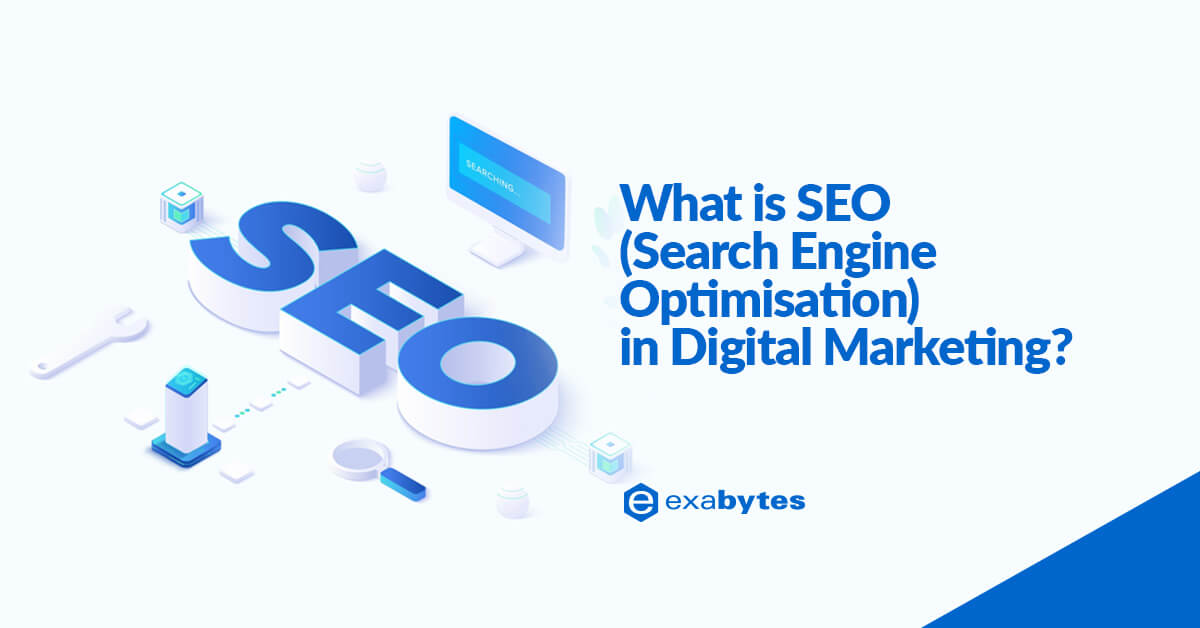
Online marketing helps businesses reach people through digital channels, from websites and search engines to social media and email. Search engine optimisation (SEO) is one part of this broader approach. It helps make a website easier for search engines to understand and more useful for people looking for relevant information, products or services.
SEO is not a quick fix or a guarantee of a particular ranking. It is an ongoing process of improving a website’s content, technical performance and reputation. When it is combined with other online marketing activity, it can help businesses build visibility and attract relevant visitors over time.
What is search engine optimisation?
Search engines use automated systems to discover and assess web pages, then present results in response to a user’s search. SEO involves making a website clear, accessible and relevant so that search engines can interpret its pages and people can find the information they need.
Good SEO starts with the audience. Rather than focusing only on search rankings, consider what prospective customers are trying to find, what questions they have and what information would help them make a decision. Search visibility is most valuable when it brings the right people to useful pages.
How SEO fits into online marketing
Online marketing includes a range of channels, each with its own strengths. SEO can work alongside:
- Content marketing: Publishing useful articles, guides and resources that answer customers’ questions.
- Paid search: Using adverts to appear for selected searches, with costs typically based on clicks or impressions.
- Social media: Sharing content, engaging with audiences and building awareness of a brand.
- Email marketing: Communicating with subscribers who have chosen to receive updates and offers.
- Public relations: Earning media coverage and building a credible presence in relevant publications.
These channels can support one another. For example, a well-researched guide may attract visitors through search, be shared on social media and provide useful material for an email campaign. A balanced marketing plan considers how each channel contributes to the business’s wider goals.
The main areas of SEO
Understanding search intent
Search intent is the reason behind a search. Someone searching for “how to choose a running shoe” is likely looking for advice, while someone searching for a particular model may be closer to making a purchase. Understanding this difference helps you create a page that matches what people expect to find.
Research relevant search terms, but avoid treating keyword lists as a writing brief on their own. Look at the questions customers ask, the language they use and the information they need at each stage of their decision.
Creating useful content
Content should be accurate, clear and written for people. Each page should have a purpose and offer something helpful, whether that is a product description, service explanation, comparison, tutorial or answer to a common question.
Use descriptive headings to organise information and make pages easier to scan. Include relevant terms naturally, but avoid repeating keywords unnaturally or publishing multiple pages that say almost the same thing. A clear, distinctive page is more useful than content created simply to fill a website.
Improving on-page elements
On-page SEO refers to elements within a page that help users and search engines understand its subject. These include:
- A clear, descriptive page title.
- A concise meta description that accurately summarises the page.
- Headings that organise the content logically.
- Descriptive links that explain what visitors will find when they click.
- Helpful image descriptions where images convey meaningful information.
- Relevant internal links connecting related pages.
These details should describe the page accurately. They can improve clarity and encourage relevant clicks, but they do not guarantee a particular search position.
Technical SEO
Technical SEO focuses on whether a website can be accessed, crawled and understood. Important considerations include mobile usability, page loading performance, secure connections, clear site structure and avoiding broken links. An XML sitemap can help search engines discover important pages, while sensible redirects can guide visitors when a page address changes.
Technical improvements should be prioritised according to their impact. A complex technical change is not automatically valuable; the aim is to remove barriers that affect visitors or prevent search engines from properly accessing the site.
Building trust and authority
People are more likely to engage with a business when its website appears reliable. Clear contact details, accurate business information, transparent policies and well-maintained content all contribute to a trustworthy experience.
Links from other relevant websites can also help people discover your content and may provide useful context about your site. Focus on earning genuine mentions by publishing valuable resources, building relationships and sharing expertise. Avoid buying links or using schemes designed to manipulate search rankings.
Measuring SEO performance
SEO results should be assessed using more than rankings alone. Useful measures may include:
- Organic visits to important pages.
- Search impressions and clicks for relevant queries.
- Enquiries, sales or other meaningful actions from organic visitors.
- Engagement with key content.
- Technical issues that affect access or usability.
Use analytics and search performance tools to identify patterns, not just isolated changes. Results can vary because of competition, changes to search systems, seasonality and updates to a website. Allow time for improvements to be assessed and connect performance to business outcomes wherever possible.
Common SEO mistakes to avoid
- Writing for search engines rather than people: Content should answer real questions and be easy to understand.
- Expecting instant results: SEO often takes time, and outcomes cannot be guaranteed.
- Using misleading titles or descriptions: Search snippets should reflect what a page actually contains.
- Ignoring mobile visitors: Pages should be usable on a range of screen sizes.
- Publishing without a plan: Every page should serve a clear audience need and business purpose.
- Overlooking existing content: Updating, combining or removing outdated pages may be more useful than continually adding new ones.
Getting started
Begin by reviewing your website from a visitor’s perspective. Check that important pages are easy to find, explain your products or services clearly and work well on mobile devices. Then identify the questions your audience is asking and decide which pages can answer them most effectively.
Set a small number of measurable goals, such as increasing relevant enquiries or improving visibility for a particular service. Review progress regularly, make changes based on evidence and keep the focus on providing a better experience for visitors.
Conclusion
Search engine optimisation is a valuable part of online marketing because it can help people discover useful, relevant pages when they are actively looking for information. The strongest approach combines thoughtful content, sound technical foundations and a clear understanding of the audience. With consistent work and realistic expectations, SEO can support a broader marketing strategy and contribute to sustainable online growth.
7 Essential SEO Tips for Effective Online Marketing
- Research keywords your audience actually uses.
- Write clear, useful page titles and meta descriptions.
- Create original content that answers searchers’ questions.
- Use descriptive headings and concise URLs.
- Make your website fast and mobile-friendly.
- Add relevant internal links between pages.
- Track rankings and traffic, then refine your strategy.
Research keywords your audience actually uses.
Research the keywords your audience actually uses by listening to the questions they ask, the terms they use for your products or services, and the problems they want to solve. Search suggestions, customer enquiries and relevant industry forums can all reveal useful language and topics. Choose phrases that match your audience’s intent, then use them naturally in helpful, clearly written content rather than forcing keywords into every sentence.
Write clear, useful page titles and meta descriptions.
Write clear, useful page titles and meta descriptions to help people understand what each page offers before they click. Make each one unique, accurate and relevant to the page, using natural language rather than cramming in keywords. A concise title and an appealing description can encourage the right visitors to choose your result, although they do not guarantee higher search rankings.
Create original content that answers searchers’ questions.
Create original content that directly answers the questions your audience is searching for. Start by researching their needs, then provide clear, accurate and genuinely useful information in your own words. Organise the content with descriptive headings and practical examples, and keep it up to date. This helps visitors find value on your site and gives search engines a clearer understanding of what each page offers.
Use descriptive headings and concise URLs.
Use descriptive headings and concise URLs to make your website easier to navigate and understand. Clear headings help visitors scan a page and find relevant information, while also giving search engines useful context about its content. Short, meaningful URLs are easier to read, remember and share, so use words that accurately describe the page and avoid unnecessary numbers or confusing strings.
Make your website fast and mobile-friendly.
Make your website fast and mobile-friendly to give visitors a smooth experience wherever they are. Pages that load quickly help people find information without frustration, while a responsive design makes your content easy to read and use on phones and tablets. Test your site on different devices, compress large images, remove unnecessary features and fix usability issues. A faster, easier-to-use website can support your SEO efforts and encourage visitors to stay, explore and get in touch.
Add relevant internal links between pages.
Add relevant internal links between pages to help visitors find useful information and navigate your website with ease. Linking related pages also gives search engines helpful context about how your content fits together. Use clear, descriptive link text so people know what to expect when they click, and prioritise links that genuinely support the reader rather than adding them simply for SEO.
Track rankings and traffic, then refine your strategy.
Track your search rankings and website traffic regularly to understand which pages and search terms are performing well, and where there is room to improve. Look beyond rankings alone: consider whether visitors are relevant, which pages they engage with and whether they take useful actions, such as making an enquiry or completing a purchase. Use these insights to update content, address technical issues and focus on opportunities that support your business goals. SEO takes time, so review trends consistently and refine your strategy based on evidence rather than reacting to short-term fluctuations.