Search Engine Optimisation and Internet Marketing: A Practical Guide
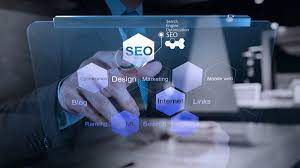
Search engine optimisation (SEO) is an important part of internet marketing. It helps people discover a website through search engines, while other digital marketing channels can build awareness, encourage engagement and support sales. Used together, these approaches can help a business reach the right audience and create a more consistent online presence.
What is internet marketing?
Internet marketing is the promotion of a business, product or service through online channels. These can include a company website, search engines, social media, email, online advertising and digital content. The most effective mix depends on the business, its goals and the people it wants to reach.
For example, a business might use useful website content to attract visitors from search, email newsletters to keep in touch with customers, and paid advertising to promote a time-sensitive offer. Each channel has a different role, but they work best when they share a clear message and a common purpose.
How SEO fits into internet marketing
SEO is the process of improving a website so that it is easier for search engines to understand and more useful to the people who visit it. It can help a business appear in relevant, unpaid search results when potential customers look for information, products or services.
SEO is not simply a matter of adding keywords to a page. Search engines consider many factors, including how well a page answers a searcher’s question, how clearly the site is organised and whether the website offers a good experience on different devices.
Key elements of a strong SEO strategy
Understand your audience and their searches
Begin by identifying the questions, needs and problems your audience has. Keyword research can reveal the words and phrases people use when searching, but it should be treated as a way to understand their intent—not as a list of terms to repeat indiscriminately.
Someone searching for general advice may be at an early stage of their research, while a person comparing specific services may be closer to making a decision. Creating content for different stages can help your website serve visitors more effectively.
Create helpful, relevant content
High-quality content should provide a clear benefit to the reader. It might explain a process, answer common questions, compare options or offer practical guidance. Each page should have a clear focus and be written in a way that is easy to follow.
Use headings to organise information, write descriptive page titles and make links meaningful. Avoid publishing thin or repetitive pages simply to target more search terms. Content that is accurate, original and regularly reviewed is more likely to remain useful over time.
Make your website easy to use
A well-organised website helps visitors find what they need and helps search engines understand the relationship between pages. Use clear navigation, logical page structures and internal links that guide people to relevant information.
Technical considerations matter too. Pages should load reliably, work well on mobile devices and be accessible to users with different needs. Secure browsing, readable text and descriptive image text can also contribute to a better experience.
Build trust and credibility
People are more likely to engage with a business when they can understand who is behind it and what it offers. Clear contact information, accurate service details, transparent policies and genuine customer feedback can all help build confidence.
Links from other reputable websites may also help people discover your content and can support your site’s credibility. Focus on earning relevant links through useful resources, partnerships and sound public relations rather than relying on schemes designed to manipulate rankings.
Combining SEO with other marketing channels
SEO can take time to deliver results, so it is often useful to combine it with other forms of internet marketing. Paid search advertising can provide visibility for selected searches, while social media can help distribute content and encourage conversation. Email marketing can support customer relationships, and online advertising can introduce a brand to new audiences.
These channels should complement one another. Insights from paid campaigns may help identify topics that interest potential customers. Questions received through social media or customer support can inspire new website content. Meanwhile, useful SEO content can give email and social campaigns something valuable to share.
Measuring performance
Measure progress against clear business goals rather than relying on a single ranking or traffic figure. Useful indicators may include:
- Organic search visits to relevant pages
- Enquiries, bookings, purchases or other meaningful actions
- Engagement with important content
- Visibility for relevant search topics
- Conversions and their contribution to business objectives
Analytics and search performance tools can help show what is working, but data needs context. A rise in visits is not necessarily valuable if those visitors are unlikely to become customers. Review results regularly, check for changes over time and use what you learn to improve your strategy.
Common mistakes to avoid
- Chasing rankings alone: rankings can change, and they do not always reflect the quality or value of traffic.
- Overusing keywords: unnatural repetition makes content harder to read and does not provide a good experience.
- Ignoring mobile users: a website that is difficult to use on a phone can frustrate visitors.
- Expecting instant results: SEO is an ongoing process, and progress can take time.
- Using misleading tactics: shortcuts that attempt to manipulate search results can put a website’s visibility at risk.
Building a sustainable approach
Effective search engine optimisation and internet marketing start with understanding your audience. Set realistic goals, create useful content, maintain a clear and dependable website, and choose channels that suit your business. Review performance and make improvements based on evidence rather than assumptions.
SEO is not a substitute for a complete marketing strategy, but it can be a valuable part of one. When search visibility, helpful content and other digital channels work together, a business can make it easier for potential customers to find, understand and engage with its offering.
14 Key FAQs About SEO in Internet Marketing
- What are SEO marketing examples?
- What is SEO in internet marketing?
- Why is SEO important for marketing?
- What type of marketing is search engine optimization?
- What are the top 5 SEO strategies?
- What is search engine marketing in marketing?
- What is search engine optimization in marketing?
- How marketers use search engine optimization?
- What is SEO marketing and how it works?
- Is Search Engine Optimization a marketing strategy?
- What is SEO marketing strategy?
- What is SEO and examples?
- Is search engine optimization part of marketing?
- How to use Search Engine Optimization in marketing?
What are SEO marketing examples?
Examples of SEO marketing include creating helpful blog articles that answer customers’ questions, optimising product and service pages for relevant search terms, improving page titles and descriptions, and making a website faster and easier to use on mobile devices. A local business might also update its business listings and create location-specific pages to appear in local search results. These activities aim to help the right people find useful, relevant information through search engines.
What is SEO in internet marketing?
SEO, or search engine optimisation, is the part of internet marketing focused on improving a website’s visibility in unpaid search engine results. It involves understanding what people are searching for, creating useful and relevant content, and making sure a website is clear, accessible and easy to use. The aim is to help the right audience find your business through search and encourage meaningful visits, such as enquiries, bookings or purchases.
Why is SEO important for marketing?
SEO is important for marketing because it helps potential customers find your business when they search online for relevant products, services or information. By improving your website’s visibility in organic search results, SEO can attract interested visitors, build credibility and support enquiries or sales over time. It also helps you understand what your audience is looking for, so you can create more useful content and improve the overall experience on your website.
What type of marketing is search engine optimization?
Search engine optimisation (SEO) is a form of digital marketing that focuses on improving a website’s visibility in unpaid, or organic, search engine results. It involves making a site more useful and accessible to visitors, creating relevant content and helping search engines understand its pages. Unlike paid search advertising, SEO does not involve paying for each click, although it requires ongoing time and effort to maintain and improve results.
What are the top 5 SEO strategies?
The top five SEO strategies are to understand your audience and the search terms they use; create useful, original content that answers their questions; optimise page titles, headings, URLs and descriptions so each page’s purpose is clear; improve the site’s technical health, including mobile usability, speed and crawlability; and build credibility through trustworthy information and relevant links from reputable websites. SEO works best as an ongoing effort: monitor results, learn which pages attract the right visitors and refine your approach over time.
What is search engine marketing in marketing?
Search engine marketing (SEM) is the promotion of a website through search engines to increase its visibility and attract potential customers. The term is often used to describe paid search advertising, where businesses bid to show adverts for relevant searches, although it may sometimes be used more broadly to include search engine optimisation (SEO). SEO improves a site’s visibility in unpaid search results, while paid search can provide immediate, clearly labelled advert placements. Both approaches can form part of an internet marketing strategy, depending on a business’s goals, audience and budget.
What is search engine optimization in marketing?
Search engine optimisation (SEO) in marketing is the practice of improving a website so it is more likely to appear in relevant, unpaid search engine results. It involves creating useful content, organising pages clearly and ensuring the site is technically sound and easy to use. As part of a wider marketing strategy, SEO helps potential customers discover a business when they are searching for information, products or services.
How marketers use search engine optimization?
Marketers use search engine optimisation (SEO) to help the right people find a website through relevant, unpaid search results. They research the terms and questions their audience uses, then create useful content, improve page titles and headings, organise site navigation and address technical issues such as slow loading or poor mobile usability. Marketers also monitor search visibility, website visits and meaningful actions—such as enquiries or purchases—to understand what is working and refine their approach over time.
What is SEO marketing and how it works?
SEO marketing is the use of search engine optimisation (SEO) to help a website appear in relevant, unpaid search results and attract potential customers. It works by making a site easier for search engines to discover and understand, while providing useful, trustworthy content that meets people’s needs. This involves researching what audiences search for, creating and improving web pages, organising the site clearly and addressing technical factors such as mobile usability and page speed. SEO takes time and ongoing attention; results are measured by looking at relevant traffic, enquiries, sales and other business goals—not rankings alone.
Is Search Engine Optimization a marketing strategy?
Yes, search engine optimisation (SEO) is a digital marketing strategy. It helps improve a website’s visibility in unpaid search results, making it easier for people to find relevant products, services or information. SEO typically involves creating useful content, improving website structure and usability, and addressing technical issues. It works best as part of a broader marketing plan, alongside channels such as paid advertising, social media and email marketing.
What is SEO marketing strategy?
An SEO marketing strategy is a planned approach to improving a website’s visibility in unpaid search results and attracting visitors who are likely to be interested in its products or services. It typically includes researching relevant search terms, creating useful and trustworthy content, improving website structure and performance, and monitoring results such as organic traffic and enquiries. A good strategy focuses on meeting people’s needs rather than simply chasing rankings, and is reviewed regularly as audiences, competitors and search trends change.
What is SEO and examples?
SEO, or search engine optimisation, is the process of improving a website so that it is easier for search engines to understand and more likely to appear in relevant, unpaid search results. For example, a local plumber might create a page describing their services in Manchester, use clear headings and include accurate contact details; an online shop might improve product descriptions and image text; and a blog could publish a helpful guide answering common customer questions. These steps can make a website more useful to visitors and easier to find when people search for related products, services or information.
Is search engine optimization part of marketing?
Yes, search engine optimisation (SEO) is part of digital marketing. It helps improve a website’s visibility in unpaid search results, making it easier for potential customers to find relevant products, services or information. SEO works alongside other marketing activities, such as content creation, social media, email and paid advertising, to attract and engage the right audience.
How to use Search Engine Optimization in marketing?
To use search engine optimisation (SEO) in marketing, start by learning what your audience is searching for and what they hope to find. Use that insight to create helpful, relevant website content, then make sure your pages have clear titles, descriptive headings, useful internal links and work well on mobile devices. SEO can support your wider marketing by attracting people who are actively looking for information, products or services, while insights from search performance can help refine your content and campaigns. Track meaningful results, such as relevant visits and enquiries, and keep improving your approach over time.