What Is a Web Page? A Guide to How Web Pages Work
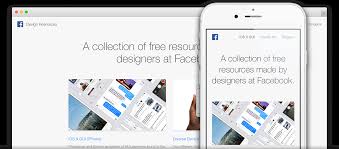
What Is a Web Page?
A web page is a document displayed in a web browser. It can contain text, images, video, audio, links and interactive features. Web pages are usually part of a website, which is a collection of related pages that share a domain name.
How web pages work
When you enter a web address or follow a link, your browser requests the relevant page from a web server. The browser then interprets the page’s code and displays its contents on your screen.
Many web pages are built using three core technologies:
- HTML structures the content, such as headings, paragraphs and links.
- CSS controls how the page looks, including its colours, spacing and layout.
- JavaScript can add interactive features, such as menus, forms and animations.
Common types of web page
Web pages serve different purposes. A home page introduces a website and helps visitors find their way around. An article page shares information or commentary, while a product page presents an item or service. Contact pages provide ways to get in touch, and landing pages are designed to guide visitors towards a particular action.
What makes a web page effective?
An effective web page is clear, useful and easy to navigate. Its content should answer visitors’ questions, and its layout should make important information easy to find. Good pages also work well on mobile devices, load promptly and use readable text with accessible colour contrast.
Clear headings, descriptive links and well-labelled forms can improve the experience for all visitors, including people who use assistive technology. Keeping information accurate and up to date also helps a page remain useful over time.
Web pages and websites
The terms “web page” and “website” are related, but they mean different things. A web page is a single document, while a website is a broader collection of pages connected through navigation and links. For example, an organisation’s website might include a home page, an About page, a news section and a contact page.
In summary
Web pages are the building blocks of the internet. They bring together content, design and functionality to help people find information, communicate and complete tasks. Whether simple or interactive, a well-made page puts its visitors’ needs first.
Top 9 Benefits of Web Pages: Enhancing Accessibility, Engagement, and Reach
- Shares information quickly and widely.
- Accessible from almost anywhere with an internet connection.
- Easy to update when details change.
- Can combine text, images, video and audio.
- Links help visitors explore related content.
- Interactive features support useful tasks.
- Works across many devices and browsers.
- Can help businesses reach new customers.
- Available to visitors at any time.
Challenges of Ineffective Web Page Design: Navigation, Speed, and Accuracy Issues
- Poorly designed web pages can be difficult to navigate.
- Slow-loading pages may frustrate visitors.
- Outdated information can mislead users.
Shares information quickly and widely.
A web page can share information quickly with people across the world. Once published, its content can be accessed at any time by anyone with an internet connection, making it easy to reach a wide audience. Updates can also be made promptly, so readers can find current information without waiting for printed materials.
Accessible from almost anywhere with an internet connection.
A web page can be accessed from almost anywhere with an internet connection, making information and services available wherever people are. Whether using a computer, tablet or smartphone, visitors can browse at home, at work or while travelling, without needing to be in a particular place.
Easy to update when details change.
A web page is easy to update when details change, making it simple to keep information accurate and relevant. Whether you need to amend opening hours, update prices or add new contact details, changes can usually be made quickly without reprinting materials or creating a new page. This helps visitors access the latest information whenever they need it.
Can combine text, images, video and audio.
A key advantage of a web page is its ability to combine text, images, video and audio in one place. This variety can make information more engaging and easier to understand, while allowing visitors to explore a topic in the format that suits them best. For example, a page can pair written instructions with diagrams, a demonstration video and an audio explanation.
Links help visitors explore related content.
Links help visitors explore related content by connecting pages, articles and useful resources. Clear, relevant links make it easier to find more detail, discover new topics and navigate a website without having to search from scratch.
Interactive features support useful tasks.
Interactive features make a web page more useful by letting visitors complete tasks directly, rather than simply read information. Search tools, booking forms, calculators, maps and secure payment options can help people find what they need and take the next step with ease. When these features are clearly labelled, accessible and simple to use, they can save time and make the overall online experience more convenient.
Works across many devices and browsers.
A well-designed web page works across a wide range of devices and browsers, so people can access it on a desktop computer, tablet or mobile phone. Responsive layouts adapt to different screen sizes, while careful testing helps ensure the page displays and functions properly in popular browsers. This makes the content more accessible and provides a consistent experience for visitors wherever they choose to browse.
Can help businesses reach new customers.
A web page can help a business reach new customers by making its products or services easier to discover online. With clear information, useful content and relevant search terms, it can attract people who are looking for what the business offers, even if they have not heard of it before. A well-designed page also gives potential customers an easy way to learn more, get in touch or make a purchase.
Available to visitors at any time.
A web page can be available to visitors at any time, day or night, giving people the freedom to find information, browse services or get in touch whenever it suits them. Unlike a physical shop or office, it does not need to close at the end of the working day, making it easier to serve customers across different schedules and time zones.
Poorly designed web pages can be difficult to navigate.
Poorly designed web pages can be difficult to navigate, making it hard for visitors to find the information or features they need. Unclear menus, confusing layouts and inconsistent links can cause frustration and lead people to leave the site before completing what they came to do. A clear structure and intuitive navigation help create a more welcoming and accessible experience.
Slow-loading pages may frustrate visitors.
Slow-loading web pages can quickly frustrate visitors, especially when they are trying to find information or complete a task. People may lose patience and leave before the content appears, which can reduce engagement and discourage them from returning. Pages that load slowly can also make a website feel unreliable, so keeping images and other elements optimised helps create a smoother experience.
Outdated information can mislead users.
Outdated information on a web page can mislead users and cause confusion, particularly when details such as prices, opening hours, contact information or advice have changed. Visitors may rely on inaccurate content when making decisions, which can waste their time or lead to costly mistakes. Regularly reviewing and updating pages helps keep information reliable and maintain users’ trust.