Online Marketing and SEO: A Practical Guide to Growing Your Business
Online marketing helps businesses reach potential customers across digital channels, while search engine optimisation (SEO) helps people find their websites through search engines. Used together, they can build awareness, attract relevant visitors and support long-term business growth.
SEO is one part of a wider online marketing strategy. It works alongside channels such as social media, email marketing, paid advertising and content marketing. Understanding how these channels complement one another can help you make better use of your time and budget.
What is online marketing?
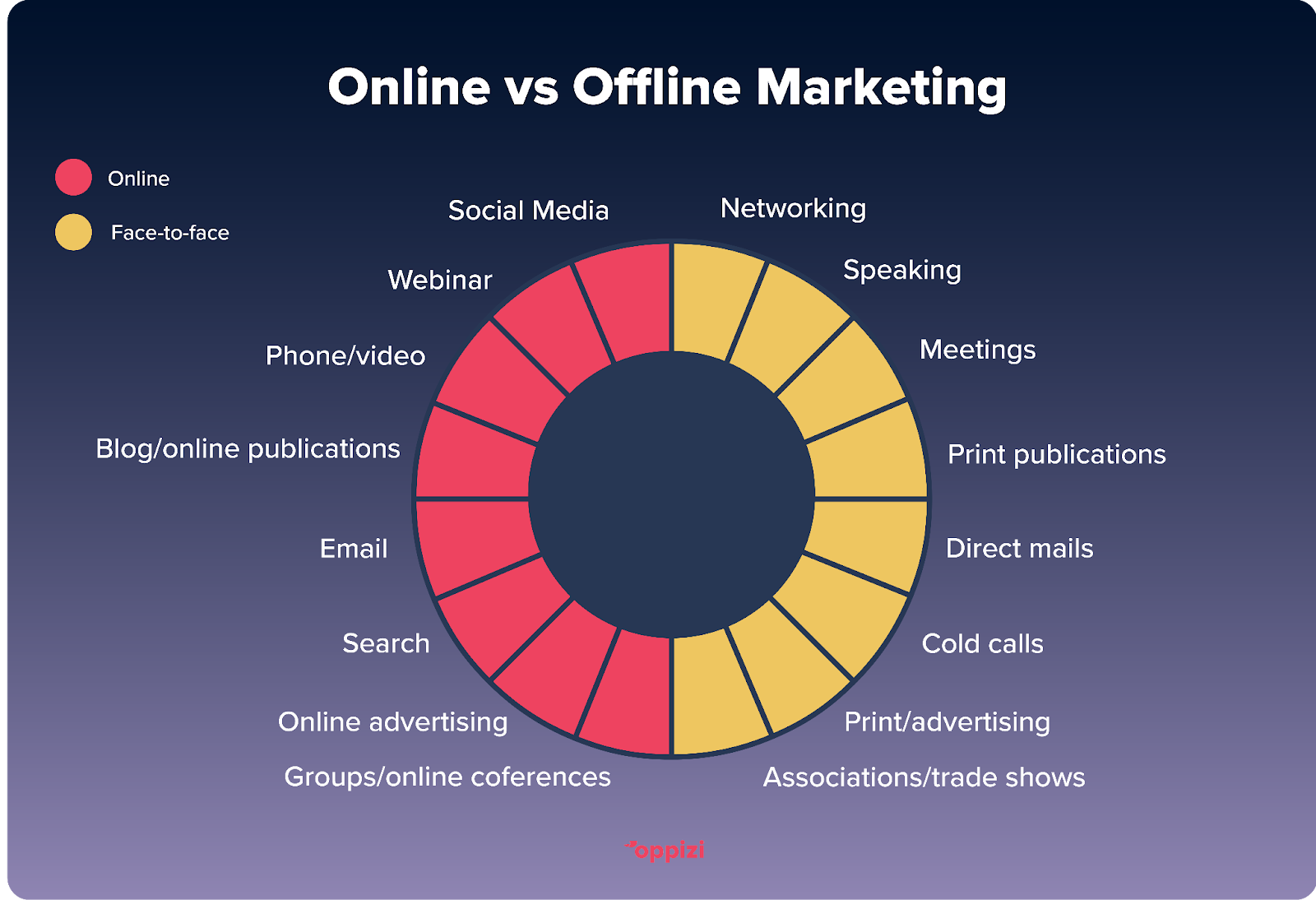
Online marketing is the promotion of a business, product or service through the internet. It can include:
- Search engine optimisation: improving a website’s visibility in unpaid search results.
- Paid search advertising: paying to display adverts for selected search terms.
- Content marketing: publishing useful articles, guides, videos or other resources.
- Social media marketing: sharing content and engaging with audiences on social platforms.
- Email marketing: sending relevant updates and offers to people who have signed up to hear from you.
- Affiliate marketing: working with partners who promote your products or services, usually in return for a commission.
The right combination depends on your audience, objectives and resources. For many businesses, a clear website and strong SEO foundations are a useful starting point.
What is SEO?
SEO is the process of making a website easier for search engines to understand and more useful for people who visit it. It involves improving different aspects of a website, including its content, technical performance and reputation.
SEO does not guarantee a particular ranking. Search engines use many signals to decide which pages to show, and results can change over time. The aim is to create a site that is relevant, helpful, accessible and technically sound.
Why SEO matters in online marketing
People often turn to search engines when they are looking for information, comparing options or trying to solve a problem. Appearing in relevant results can help your business reach people at the moment they are looking for something you offer.
Unlike paid advertising, organic search visibility does not depend on paying for every click. However, SEO takes time and ongoing work. It is best viewed as a long-term investment rather than a quick fix, and it can work alongside paid campaigns and other marketing activity.
Core parts of an effective SEO strategy
Understand your audience and search intent
Start by learning what your potential customers need and how they describe it. A person searching for “how to choose running shoes” is likely looking for advice, while someone searching for a specific model may be ready to compare prices or buy.
Think about the questions people ask at each stage of their decision-making. This helps you create pages that match their needs instead of focusing only on popular keywords.
Research relevant keywords
Keyword research helps you identify the words and phrases people use when searching for products, services and information. Look for terms that are relevant to your business and that reflect a genuine customer need.
Use keywords naturally in page titles, headings and copy where appropriate. Avoid forcing them into every paragraph. Content should read clearly and provide value to people first.
Create useful, trustworthy content
Good content answers a real question or helps a visitor complete a task. It should be accurate, easy to follow and written for the intended audience. Depending on your business, useful content might include service pages, product descriptions, how-to guides, comparison pages or answers to frequently asked questions.
Keep information up to date, especially when it relates to prices, regulations, specifications or services. Make it clear who is responsible for the content and include relevant evidence or sources where appropriate.
Improve on-page SEO
On-page SEO covers elements on individual pages that help people and search engines understand their content. This includes:
- Clear, descriptive page titles and headings.
- Concise page descriptions that accurately summarise the content.
- Logical page structure and readable paragraphs.
- Descriptive links that explain what visitors can expect.
- Useful image descriptions where images convey information.
- Consistent information about your products, services and business.
Each page should have a clear purpose. Avoid creating multiple pages that compete to answer the same question unless there is a good reason to distinguish them.
Pay attention to technical SEO
Technical SEO helps search engines access and interpret your website. It also supports a smoother experience for visitors. Important areas include:
- Making sure key pages can be crawled and indexed.
- Using secure HTTPS connections.
- Creating a logical site structure and working internal links.
- Making pages usable on mobile devices.
- Improving loading performance and addressing broken links.
- Using structured data where it accurately describes the page.
Technical problems can be difficult to spot without specialist tools. If your website has a large number of pages or complex features, a technical SEO review may be worthwhile.
Build authority responsibly
Links from other websites can help people discover your content and may contribute to how search engines assess your site. Focus on earning relevant links through useful resources, genuine partnerships, original research and strong public relations.
Avoid buying links or taking part in schemes designed to manipulate rankings. These approaches can put a website at risk and rarely provide lasting value.
How SEO works with other marketing channels
SEO is more effective when it is part of a joined-up marketing plan. For example, social media can help distribute useful content, while email can bring returning visitors back to your site. Paid advertising can provide immediate visibility for selected searches while organic SEO develops over time.
Insights from one channel can inform another. Questions received by a customer service team may suggest topics for new web pages, while paid search data may reveal which offers or messages resonate with potential customers.
Measuring SEO performance
Choose measurements that relate to your business objectives rather than focusing on rankings alone. Depending on your goals, useful indicators may include:
- Organic visits to important pages.
- Enquiries, bookings or sales that begin with organic search.
- Visibility for relevant search terms.
- Engagement with key pages and content.
- Technical issues affecting access or indexing.
Use analytics and search performance tools to identify patterns, not just short-term fluctuations. Compare results over suitable periods and take seasonality, changes to your website and broader market conditions into account.
Common SEO mistakes to avoid
- Chasing rankings without a business goal: traffic is most valuable when it reaches the right audience.
- Publishing content for search engines alone: pages should be useful and clear for people.
- Expecting instant results: SEO usually requires consistent effort and time.
- Ignoring mobile users: important pages should work well on smaller screens.
- Using misleading claims or outdated information: accuracy supports trust and a better customer experience.
- Overlooking measurement: without tracking meaningful outcomes, it is difficult to know what is working.
Getting started
Begin with a clear objective, such as increasing qualified enquiries or helping customers find key product information. Review your website, identify the pages that matter most and look for practical improvements to content, usability and technical performance.
Then create a manageable plan. Prioritise work by potential impact and available resources, measure the results and refine your approach as you learn more about your audience.
Conclusion
Online marketing brings together several ways to reach and support customers, and SEO plays an important role by helping people discover useful website content through search. A sustainable approach combines audience research, helpful information, sound technical foundations and careful measurement. With consistent effort, SEO can become a valuable part of a broader digital marketing strategy.
Essential FAQs About SEO in Online Marketing for UK Businesses
- What is SEO in online marketing?
- How does SEO help a business grow online?
- How long does SEO take to show results?
- What is the difference between SEO and paid search advertising?
- How much does SEO cost in the UK?
- Can I do SEO myself, or should I hire an SEO agency?
- Which SEO tools are useful for small businesses?
- How can I measure the success of an SEO campaign?
What is SEO in online marketing?
SEO (search engine optimisation) in online marketing is the process of improving a website so that it is easier for search engines to understand and more likely to appear in relevant unpaid search results. It includes creating useful content, using relevant search terms naturally, improving website structure and performance, and making pages easy to use on mobile devices. The aim is to help the right people find your website and discover information, products or services that meet their needs.
How does SEO help a business grow online?
SEO helps a business grow online by making its website easier to find when potential customers search for relevant products, services or information. By improving website content, usability and technical performance, a business can attract more qualified visitors, build trust and generate opportunities such as enquiries or sales. SEO takes time and does not guarantee specific rankings, but consistent, useful improvements can support sustainable growth and complement other online marketing activities.
How long does SEO take to show results?
SEO usually takes several months to show meaningful results, although the timeframe varies depending on your website, competition, industry and the work involved. Some improvements, such as fixing technical issues, may have an effect sooner, while building visibility for competitive search terms often takes longer. SEO is an ongoing process, so review progress regularly using relevant measures such as organic traffic, enquiries or sales, rather than expecting overnight changes.
What is the difference between SEO and paid search advertising?
SEO (search engine optimisation) improves a website’s visibility in unpaid search results by making its content and technical foundations more useful and accessible. Paid search advertising involves paying to display adverts for selected search terms, often with charges based on clicks. Paid ads can provide visibility quickly while a campaign is running, whereas SEO usually takes longer and can support ongoing organic visibility. The two approaches can complement each other as part of a wider online marketing strategy.
How much does SEO cost in the UK?
The cost of SEO in the UK varies depending on your website, goals, competition and the amount of work required. A small business might spend a few hundred pounds a month, while larger or more competitive campaigns can cost several thousand pounds or more. Some SEO specialists charge an hourly rate or a one-off fee for an audit or project. Before agreeing to a price, ask what the work includes, how progress will be measured and when you can expect updates; be cautious of guaranteed rankings or unusually low-cost promises.
Can I do SEO myself, or should I hire an SEO agency?
You can manage SEO yourself if you have the time to learn, create useful content and make ongoing improvements to your website. For straightforward sites, starting with clear page information, relevant keywords and a good mobile experience can make a useful difference. An SEO agency may be a better fit if you need specialist technical help, have a large or complex website, or lack the time to manage the work consistently. Before hiring one, ask what they plan to do, how they measure progress and whether their recommendations follow search engine guidelines; be wary of anyone promising guaranteed rankings.
Which SEO tools are useful for small businesses?
Useful SEO tools for small businesses include Google Search Console, which shows how a website performs in Google Search and flags indexing issues, and Google Analytics 4, which helps measure website traffic and visitor activity. Google Keyword Planner can support keyword research, while PageSpeed Insights highlights page-speed and usability improvements. Bing Webmaster Tools is also useful for monitoring visibility in Bing. For more detailed research, tools such as Semrush, Ahrefs and Screaming Frog offer paid plans or limited free versions; the best choice depends on your budget and needs.
How can I measure the success of an SEO campaign?
Measure the success of an SEO campaign against clear business goals, not rankings alone. Track organic traffic to important pages, visibility for relevant search terms, click-through rates, and meaningful outcomes such as enquiries, sales or bookings. Compare results with a baseline over an appropriate period, taking seasonality and other marketing activity into account. The most useful measures are those that show whether SEO is reaching the right audience and contributing to your objectives.