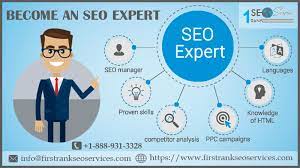
What Does an Organic Search Engine Optimisation Specialist Do?
An organic search engine optimisation specialist helps websites attract more relevant visitors from unpaid search results. They work to improve a site’s visibility on search engines such as Google by making its content, structure and technical foundations easier for people and search engines to understand.
Organic SEO is a long-term process. It does not guarantee a particular ranking or an overnight increase in traffic. Instead, it combines research, practical improvements and ongoing measurement to help a website earn sustainable visibility.
What is organic search engine optimisation?
Organic search engine optimisation (SEO) is the practice of improving a website’s presence in the non-paid results shown by search engines. It differs from paid search advertising, where businesses pay to display adverts for selected searches.
Organic SEO can help a website reach people who are actively looking for its products, services or information. The aim is not simply to attract more visits, but to connect with the right audience and make it straightforward for them to take the next step.
What does an organic SEO specialist do?
The exact work depends on a website’s needs, its industry and the resources available. Common responsibilities include:
- SEO audits: Reviewing a website to identify technical issues, content gaps and opportunities to improve its search visibility.
- Keyword and topic research: Understanding how people search, what questions they ask and which topics are relevant to the business.
- On-page optimisation: Improving page titles, headings, copy, internal links and other page elements so they are useful to visitors and clearly structured.
- Technical SEO: Helping search engines access and understand a site, including its page structure, mobile usability, indexing and performance.
- Content planning: Identifying useful content to create or update, based on audience needs and the website’s expertise.
- Off-page SEO: Advising on ways to build a site’s reputation, such as earning relevant editorial links and mentions.
- Reporting: Tracking progress, explaining results and recommending what to do next.
Why is specialist expertise useful?
Search visibility is influenced by many factors, and those factors can change over time. An organic search engine optimisation specialist can help a business set priorities rather than making changes at random. They can also help distinguish between issues that need immediate attention and improvements that can be planned over time.
For example, a website may have strong content but technical problems that prevent important pages from being indexed. Another site may be technically sound but lack pages that properly address what its audience is searching for. A specialist can investigate the whole picture and recommend work suited to the situation.
How to choose an organic SEO specialist
When considering an SEO consultant or agency, look for a clear, realistic approach. A reliable specialist should be willing to explain their recommendations, discuss how success will be measured and set expectations about the time and effort involved.
Useful questions to ask include:
- How will you assess the website and decide what to prioritise?
- What work will you carry out, and what will you need from our team?
- How will you report on progress?
- Can you explain the risks and limitations of your recommendations?
- How do you approach content quality and link building?
Be cautious of guarantees of specific rankings, instant results or secret methods. No specialist can control search engines, and tactics designed to manipulate results can put a website at risk. A sound SEO strategy focuses on useful content, a technically accessible website and a good experience for visitors.
How is SEO success measured?
Rankings can be useful to monitor, but they are only one part of the picture. A specialist may also review:
- Organic clicks and impressions from search results
- Visits to important pages from organic search
- Leads, enquiries, bookings or sales connected with organic visits
- Search visibility for relevant topics and queries
- Technical health, including indexation and page performance
The most meaningful measures depend on the organisation’s goals. For an online shop, this might include sales and revenue from organic search. For a service business, it could be qualified enquiries. Reporting should connect SEO activity to outcomes that matter to the business, not just present a list of rankings.
SEO is an ongoing process
Organic search engine optimisation is not a one-off fix. Websites grow, competitors publish new material, customer needs shift and search engines update how they present results. Regular reviews help businesses keep important pages accurate, address emerging issues and make better decisions about future content and improvements.
An effective organic SEO specialist combines research, technical understanding and clear communication. By focusing on the needs of both users and search engines, they can help a website build a stronger foundation for lasting visibility and more relevant organic traffic.
Organic Search Engine Optimisation Specialist: FAQs on Roles, Skills, Salaries and Career Paths
- What does an SEO Specialist do?
- What is the role of an SEO specialist?
- Is SEO a high paying job?
- How do I become an SEO specialist?
- How do I learn SEO as a beginner?
- What skills do you need for SEO?
- What is a SEO salary?
- How do I become a SEO specialist?
What does an SEO Specialist do?
An SEO specialist improves a website’s visibility in organic search results, helping the right people find it online. Their work may include researching search terms, optimising website content and page structure, resolving technical issues, planning useful content and monitoring performance. They use these insights to recommend practical improvements, with the aim of attracting relevant visitors and supporting goals such as enquiries, bookings or sales.
What is the role of an SEO specialist?
An SEO specialist helps improve a website’s visibility in unpaid search results. They research what people are searching for, assess the site’s content and technical performance, and recommend changes such as improving page structure, creating useful content and fixing indexing or usability issues. They also monitor results and refine the strategy over time, with the aim of attracting relevant visitors and supporting the organisation’s goals.
Is SEO a high paying job?
SEO can be a well-paid career, particularly for experienced specialists who can demonstrate strong results in areas such as technical SEO, content strategy and analytics. However, salaries vary depending on location, experience, industry and whether someone works in-house, for an agency or as a freelancer. Entry-level roles may pay less, while senior specialists and SEO managers can earn more. As with any career, earning potential depends on skills, results and the responsibilities of the role.
How do I become an SEO specialist?
To become an SEO specialist, build a solid understanding of how search engines work and learn the fundamentals of keyword research, content optimisation, technical SEO and analytics. You can study through reputable online resources or courses, then practise by improving your own website or volunteering to help a small organisation. Get familiar with tools such as Google Search Console and Google Analytics, and create a portfolio that shows what you worked on and the results. SEO is a changing field, so keep learning, follow reliable industry sources and develop your communication and problem-solving skills. Many specialists begin in related roles such as content writing, digital marketing or web development before moving into SEO.
How do I learn SEO as a beginner?
To learn SEO as a beginner, start with the fundamentals: how search engines discover and rank pages, and how to create useful content that meets people’s needs. Explore trusted learning resources, practise keyword research and on-page optimisation, and use tools such as Google Search Console to understand how a website performs. If possible, build a small website or blog so you can test what you learn. SEO takes time, so keep up with reliable industry updates, measure results and treat early experiments as opportunities to improve.
What skills do you need for SEO?
An SEO specialist needs a mix of analytical, technical and creative skills. These include understanding keyword research and search intent, writing and editing clear, helpful content, and knowing the basics of website structure, HTML and technical SEO. Familiarity with analytics and SEO tools helps specialists assess performance and spot opportunities, while problem-solving, attention to detail and adaptability are valuable as search trends and best practices evolve. Strong communication skills are also important for explaining recommendations and working effectively with clients, writers, developers and marketing teams.
What is a SEO salary?
An SEO salary in the UK varies depending on experience, location, industry and whether the role is in-house, agency-based or freelance. As a broad guide, junior SEO roles may pay around £22,000–£30,000 a year, experienced specialists around £30,000–£45,000, and senior or managerial roles £45,000 or more. Freelance earnings vary with client demand, rates and workload, so these figures are indicative rather than guaranteed.
How do I become a SEO specialist?
To become an SEO specialist, build a solid understanding of how search engines work and learn the fundamentals of keyword research, technical SEO, content optimisation, analytics and link building. Practise by improving your own website or volunteering to help a small organisation, then use tools such as Google Search Console and analytics platforms to measure the results. Keep up with industry developments, as search practices change over time, and create a portfolio of projects that demonstrates your skills. There is no single required qualification, but relevant courses and hands-on experience can help you develop expertise and find your first role.