How to Improve Your SEO on Google
Improving your SEO on Google is about making your website useful, accessible and easy to understand. There is no guaranteed shortcut to higher rankings, but a consistent approach to content, technical performance and user experience can help your pages appear for more relevant searches over time.
Understand what your audience is searching for
Start by learning the questions, needs and phrases your potential visitors use. Think about the problems they want to solve and the information they need before making a decision. Keyword research tools, Google Search Console and Google’s search results can all offer clues.
Choose a clear topic for each page. A page that tries to cover several unrelated subjects can be harder for readers — and search engines — to understand. Use relevant search terms naturally in the page title, main heading and body text, without forcing them into every paragraph.
Create helpful, original content
Strong SEO starts with content that genuinely serves its audience. Answer the reader’s likely questions clearly, provide useful detail and make the page easy to scan. Add examples, instructions or original insights where they improve the information.
Avoid publishing thin pages created only to target keywords. Review existing content regularly: update facts, improve unclear sections and combine or remove pages that no longer offer value. Make sure claims are accurate and sources are reliable, especially for topics that could affect someone’s health, finances or safety.
Write clear page titles and descriptions
Each important page should have a distinct, descriptive title that summarises its subject. Keep it concise and make it useful to someone deciding which result to open. A meta description can also explain what the page offers, although Google may sometimes show a different snippet from the page itself.
Use one clear main heading, followed by logical subheadings. A sensible heading structure helps readers navigate longer pages and makes the content easier to interpret.
Make your website easy to use
Visitors should be able to find information quickly, whether they are using a phone, tablet or computer. Use readable text, straightforward navigation and clear links. Check that buttons and forms work, and that important content is not hidden behind confusing menus or intrusive pop-ups.
Page speed matters to the overall experience. Compress large images, remove unnecessary scripts and choose reliable hosting. Google’s Core Web Vitals can help identify issues with loading speed, responsiveness and visual stability.
Check the technical foundations
Make sure Google can access and understand your pages. Useful steps include:
- Use HTTPS to protect connections to your website.
- Check that important pages are not blocked from crawling or marked “noindex” by mistake.
- Create and submit an XML sitemap for eligible pages.
- Fix broken links and redirect old URLs carefully when pages move.
- Use canonical tags where similar or duplicate URLs could cause confusion.
- Add descriptive alt text to images when it helps explain their content.
Google Search Console is a useful free tool for checking indexing, search performance and some technical problems. Review it regularly rather than assuming that every published page will automatically appear in search results.
Use internal links thoughtfully
Link related pages together so visitors can discover useful next steps. Descriptive link text is more helpful than vague phrases such as “click here”. Internal links also help search engines find pages and understand how your site’s content is connected.
Prioritise links that make sense to the reader. Avoid adding large numbers of links simply to influence rankings.
Earn trustworthy links and build credibility
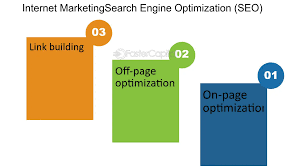
Links from relevant, reputable websites can help people discover your content and may contribute to how search engines assess your site. Focus on earning links naturally by publishing valuable resources, sharing original research or building genuine relationships in your field.
Avoid buying links or taking part in schemes designed to manipulate rankings. These tactics can damage trust and may lead to search-engine penalties.
Improve local SEO, if relevant
If your business serves a particular area, keep your business name, address and phone number accurate across your website and business listings. Create or update your Google Business Profile, choose suitable categories, add current opening hours and respond professionally to customer reviews.
Useful local pages should explain the services available and the areas served. Avoid creating near-identical location pages that offer little information beyond a changed place name.
Measure progress and keep refining
SEO is an ongoing process, and results can take time. Use Google Search Console to monitor impressions, clicks, search queries and indexing. Analytics tools can help show what visitors do after arriving on your site.
Look for pages that receive impressions but few clicks, or pages that attract visitors but do not meet their needs. Improve titles, clarify the content or make the next step easier to find. Test changes methodically and give them time to make a meaningful difference.
Build lasting results with good SEO
The most reliable way to improve your SEO on Google is to combine useful content with a technically sound website and a positive visitor experience. Focus on the real needs of your audience, follow Google’s published guidance and avoid promises of instant rankings. Steady, thoughtful improvements are more likely to support sustainable search visibility.
How to Improve Your SEO on Google: 8 Frequently Asked Questions
- What is the 80/20 rule for SEO?
- What are the 3 C’s of SEO?
- How do I SEO myself on Google?
- Is 75 a good SEO score?
- How do I get free SEO on Google?
- How can I improve my SEO in 2022?
- Is SEO still relevant in 2026?
- How do I be at the top of a Google search?
What is the 80/20 rule for SEO?
The 80/20 rule for SEO is a general principle suggesting that a small number of activities often produce most of your results. For example, a handful of pages may attract most of your organic traffic, or a few improvements—such as updating high-potential content, fixing important technical issues and earning relevant links—may have the greatest impact. It is not a fixed formula, so use analytics and Google Search Console to identify what matters most for your website, then focus your time and resources there.
What are the 3 C’s of SEO?
The 3 C’s of SEO are commonly described as Content, Code and Credibility. Content means creating useful, relevant pages that answer people’s search queries; Code refers to a technically sound website that is fast, mobile-friendly and easy for search engines to crawl; and Credibility comes from demonstrating trustworthiness, expertise and authority, including earning relevant, reputable links. It’s a helpful framework rather than an official Google ranking formula, but improving all three can support stronger search visibility.
How do I SEO myself on Google?
To improve your own SEO on Google, start by researching the words and questions your audience uses, then create useful, original pages that answer them clearly. Give each page a descriptive title and heading, make your website mobile-friendly and quick to load, and link related pages together. Set up Google Search Console to check whether your pages are indexed and see which searches bring visitors. SEO takes time, so review your results regularly and refine your content rather than expecting instant rankings.
Is 75 a good SEO score?
A score of 75 can be a useful starting point, but it is not a universal measure of SEO success. Google does not assign websites a single SEO score, and third-party tools use different checks and scoring systems. Review the specific recommendations behind the score, prioritise important issues such as crawlability, mobile usability and helpful content, and track your visibility and traffic in Google Search Console over time.
How do I get free SEO on Google?
You can improve your SEO on Google without paying for specialist tools or advertising by publishing useful, original content, using relevant search terms naturally, and making your website mobile-friendly and easy to navigate. Free tools such as Google Search Console can help you check indexing and understand which searches bring visitors to your site, while a Google Business Profile can support local visibility. SEO takes time, and no free method can guarantee a particular ranking.
How can I improve my SEO in 2022?
To improve your SEO in 2022, focus on creating useful, original content that answers the questions your audience is searching for. Research relevant keywords, use clear page titles and headings, and make sure your website is fast, mobile-friendly, secure and easy for Google to crawl. Build relevant internal links, earn trustworthy links naturally, and use Google Search Console to monitor performance and fix indexing issues. Avoid keyword stuffing and other shortcuts; sustainable SEO depends on meeting visitors’ needs and improving your site over time.
Is SEO still relevant in 2026?
Yes, SEO is still relevant in 2026, although the way people search continues to evolve. Google’s AI-powered features and changing search layouts make it important to focus on helpful, accurate content rather than keyword repetition. Improving technical accessibility, mobile usability, internal linking and page experience still helps search engines discover and understand your website. SEO can support visibility in both traditional results and AI-driven search experiences, but neither rankings nor inclusion is guaranteed. The strongest approach is to answer your audience’s questions clearly, demonstrate genuine expertise and measure success through relevant traffic, enquiries and sales rather than rankings alone.
How do I be at the top of a Google search?
There’s no guaranteed way to reach the top of Google, as rankings depend on factors such as relevance, competition, location and the searcher’s needs. Improve your chances by publishing genuinely useful, original content that matches the search query, making your website fast and mobile-friendly, using clear page titles and headings, and ensuring Google can crawl and index your pages. Monitor results in Google Search Console and keep improving your content; beware of anyone promising instant or guaranteed rankings.