Website SEO Optimisation: A Practical Guide
Website SEO optimisation is the process of improving a website so that search engines can understand its pages and people can find useful information through search. Good SEO is not about tricking algorithms or repeating keywords as often as possible. It combines helpful content, sound website performance and a clear structure to make pages easier to discover and use.
SEO takes time, and results are not guaranteed. However, a thoughtful, consistent approach can help your website attract more relevant visitors and serve them better.
Start with your audience and search intent
Before changing your website, consider what your audience wants to find. Search intent is the purpose behind a search: someone may be looking for information, comparing options, finding a particular website or preparing to make a purchase.
Research the questions and phrases your potential visitors use. Look at relevant search suggestions, customer enquiries and the language used in your industry. Choose a clear primary topic for each page, but avoid creating separate pages for every minor variation of the same search.
Create useful, original content
Content should answer the reader’s question accurately and clearly. Explain the subject in enough detail to be useful, organise information with descriptive headings and keep paragraphs easy to read. Add original insight, practical advice or relevant examples where they help the reader.
Review existing pages as well as creating new ones. Update outdated details, improve unclear sections and combine pages that cover the same topic. Avoid copying content from other websites or publishing pages that exist only to target keywords.
Optimise important on-page elements
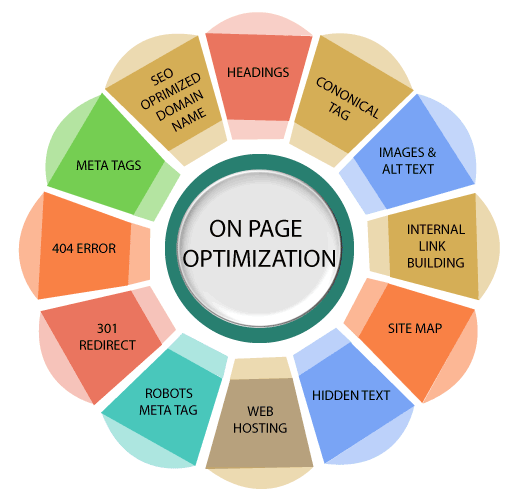
On-page SEO helps both readers and search engines understand what a page is about. Pay attention to the following elements:
- Page title: Write a concise, accurate title that describes the page. Make each title distinct and include the main topic naturally.
- Meta description: Summarise the page in a clear, engaging way. A good description can encourage relevant people to click, although search engines may choose to show different text.
- Headings: Use a clear heading structure. The main heading should describe the page, with subheadings that make its sections easy to scan.
- URL: Use a short, readable address that reflects the page topic. Avoid unnecessary words and complicated strings of numbers where possible.
- Images: Use relevant, appropriately sized images. Write alternative text to describe an image when it conveys information; use empty alternative text for purely decorative images.
- Internal links: Link to related pages using descriptive link text. This helps visitors find useful information and helps search engines discover your content.
Make your website technically sound
Technical SEO helps search engines access, crawl and understand your website. Check that important pages can be reached through links and are not accidentally blocked from search engines. An XML sitemap can help search engines discover key URLs, while a correctly configured robots.txt file can guide crawling.
Use HTTPS to protect connections, make sure your website works well on mobile devices and fix broken links or unnecessary redirect chains. If your website has several versions of a similar page, use canonical tags where appropriate to indicate the preferred version.
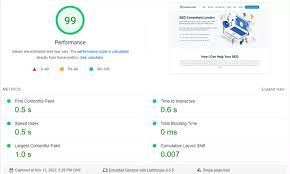
Site speed and page experience matter to visitors. Compress images, reduce unnecessary scripts and use reliable hosting. Google’s Core Web Vitals measure aspects of loading performance, responsiveness and visual stability; they are useful indicators, but they should be considered alongside the overall experience of using the site.
Use structured data where it fits
Structured data is a standardised way to describe information on a page, such as a product, organisation or event. When implemented correctly and in line with search engine guidelines, it can help search engines interpret that information and may make a page eligible for enhanced search results. It does not guarantee special placement or a particular display.
Build credibility naturally
Links from other relevant, reputable websites can help people discover your content and may contribute to how search engines assess a page. Focus on earning links through useful resources, original research, strong partnerships and genuinely newsworthy work.
Avoid buying links, participating in schemes designed to manipulate rankings or publishing large numbers of low-quality guest articles. These tactics can put a website at risk and rarely build lasting trust.
Measure progress and keep improving
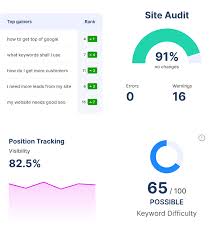
Use tools such as Google Search Console and web analytics to understand how your website is performing. Monitor search impressions, clicks, relevant queries, indexed pages and conversions that matter to your organisation. Review performance over time rather than drawing conclusions from a short-term change.
When a page is not performing well, investigate the likely cause. It may need clearer content, a better match for the search intent, stronger internal links or a technical fix. Make considered changes and allow time to assess their effect.
SEO is an ongoing process
Effective website SEO optimisation brings together helpful content, a good user experience and reliable technical foundations. Begin with the pages and issues that matter most to your audience, make improvements steadily and measure what happens. By focusing on usefulness and clarity rather than quick fixes, you can build a stronger website for both visitors and search engines.
7 Essential Tips for Optimising Your Website’s SEO
- Use clear, descriptive page titles.
- Write unique meta descriptions for key pages.
- Organise content with helpful headings.
- Use relevant keywords naturally.
- Make pages fast and mobile-friendly.
- Add descriptive alt text to images.
- Earn links from trusted websites.
Use clear, descriptive page titles.
Use clear, descriptive page titles to show readers and search engines what each page is about. Keep titles concise, make them unique across your website and include the main topic naturally. A well-written title can help your page stand out in search results and encourage the right people to visit.
Write unique meta descriptions for key pages.
Write a unique meta description for each key page, clearly summarising what visitors will find and why the page is useful. Keep it concise, accurate and relevant to the page’s main topic, using natural language rather than a list of keywords. A well-written description can help your page stand out in search results and encourage the right people to click, although search engines may sometimes display a different excerpt.
Organise content with helpful headings.
Organise content with helpful headings so readers can quickly understand what each section covers and find the information they need. Use one clear main heading for the page, followed by descriptive subheadings in a logical order. Headings should accurately reflect the content beneath them and make the page easier to scan on any device. This clear structure also helps search engines interpret the topics covered, supporting your overall website SEO optimisation.
Use relevant keywords naturally.
Use relevant keywords naturally by including the words and phrases your audience is likely to search for in your page title, headings and content. Choose terms that accurately reflect the topic, and fit them into clear, useful writing rather than forcing them into every sentence. This helps search engines understand your page while keeping it easy and enjoyable for visitors to read.
Make pages fast and mobile-friendly.
Make sure your pages load quickly and work well on mobile devices, where many people browse and search. Compress large images, remove unnecessary scripts and use responsive layouts so text, buttons and menus are easy to use on smaller screens. A fast, mobile-friendly website gives visitors a better experience and makes it easier for search engines to crawl and understand your pages.
Add descriptive alt text to images.
Add descriptive alt text to images so people using screen readers can understand the information they convey. Keep it concise and specific, describing the image in context rather than stuffing the text with keywords. For decorative images that add no meaningful information, use empty alt text so assistive technologies can skip them. Alt text can also help search engines interpret images, but its main purpose is to make your website more accessible.
Earn links from trusted websites.
Earn links from trusted, relevant websites by creating useful content that others genuinely want to reference, such as original research, practical guides or expert insights. These links can help people discover your site and signal its relevance to search engines. Focus on building real relationships and earning recommendations naturally; avoid buying links or taking part in schemes designed to manipulate rankings, as these can damage your site’s credibility.