SEO: An Introduction to Search Engine Optimisation
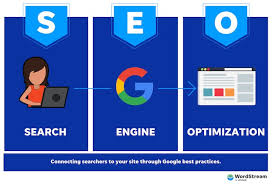
Search engine optimisation (SEO) is the process of improving a website so that it can be found more easily in search engines such as Google and Bing. A well-planned SEO strategy can help a business reach people who are already looking for its products, services or information.
SEO is not a quick fix or a guarantee of a particular ranking. It involves making a website useful, accessible and relevant to both visitors and search engines—and improving it over time.
How does SEO work?
Search engines use automated systems to discover web pages, understand their content and decide which pages may best answer a search. SEO helps make that process clearer. It also improves the experience for people who visit the site.
Search results are influenced by many factors, including the relevance and usefulness of a page, the quality of the website’s content, its technical performance and the reputation of the site. No single change can guarantee a top position, and search engines regularly update how they rank pages.
The main areas of SEO
On-page SEO
On-page SEO focuses on the content and elements of individual pages. This includes writing clear page titles and headings, using relevant search terms naturally, and providing helpful information that meets the reader’s needs. Content should be original, accurate and easy to understand—not written simply to repeat keywords.
Technical SEO
Technical SEO helps search engines access and understand a website. It can include improving page speed, making the site work well on mobile devices, using clear site navigation, fixing broken links and ensuring important pages can be crawled and indexed. Secure browsing and a well-organised website structure also contribute to a dependable experience.
Off-page SEO
Off-page SEO covers signals beyond a website itself. Links from relevant, reputable websites can help people discover a site and may support its credibility. Other useful activities include building a genuine brand presence and earning mentions through valuable work. Buying links or using deceptive tactics can put a website at risk.
Why is SEO important?
SEO can help a website attract relevant visitors without relying solely on paid advertising. It can also make information easier to find and improve the experience for users. For organisations, this may mean more enquiries, sales, bookings or readership, depending on the website’s goals.
SEO is particularly valuable as a long-term activity. Results can take time, but improvements to content, usability and technical quality can continue to benefit a website after the initial work is complete.
Getting started with SEO
- Understand your audience: Find out what people want to know and the language they use when searching.
- Research relevant topics: Identify useful subjects and search phrases that match your services and your visitors’ needs.
- Create helpful pages: Answer questions clearly and provide accurate, original information.
- Review the technical basics: Check that your website works on mobile devices, loads reliably and has a logical structure.
- Measure progress: Use analytics and search performance tools to monitor visibility, visits and meaningful actions.
- Keep improving: Update outdated information, address technical issues and refine pages based on what you learn.
SEO is an ongoing process
Effective SEO combines useful content, sound technical foundations and a clear understanding of visitors. It takes patience, and rankings can change as competitors, search behaviour and search engine systems evolve. By focusing on lasting value rather than shortcuts, a website can build a stronger foundation for being discovered online.
9 Key Benefits of SEO for Your Business
- Improves online visibility
- Attracts relevant visitors
- Builds brand awareness
- Supports long-term growth
- Can reduce reliance on paid ads
- Improves website usability
- Helps reach local customers
- Builds trust and credibility
- Provides measurable insights
Five Key Drawbacks of SEO
- SEO can take months to show results.
- Search rankings can change without warning.
- Competition for popular keywords is high.
- Ongoing optimisation requires time and effort.
- SEO cannot guarantee traffic or sales.
Improves online visibility
One of the main benefits of SEO is that it improves online visibility. By making a website’s content relevant to the searches people are making, and ensuring the site is easy for search engines to understand, SEO can help its pages appear more prominently in search results. This makes it easier for potential customers to discover the business when they are looking for related products, services or information.
Attracts relevant visitors
One of the key advantages of SEO is its ability to attract relevant visitors to your website. By creating useful content around the topics and search terms your audience cares about, you can reach people who are actively looking for information, products or services like yours. This means your visitors are more likely to be interested in what you offer, helping you make better use of your online presence.
Builds brand awareness
SEO can build brand awareness by helping your website appear when people search for topics, products or services related to your business. Even when users do not click through straight away, seeing your brand in relevant search results can make it more familiar over time. Consistently useful content and a clear, trustworthy presence can help people recognise your business and consider it when they are ready to take action.
Supports long-term growth
SEO supports long-term growth by helping a website build lasting visibility in search results. Unlike paid advertising, which usually stops bringing visitors when the budget runs out, useful content and strong technical foundations can continue attracting relevant traffic over time. As a site earns trust, improves its pages and adapts to visitors’ needs, it can create a steady source of opportunities for the business. SEO takes consistent effort, and results are not guaranteed, but a well-maintained strategy can provide a durable foundation for growth.
Can reduce reliance on paid ads
One advantage of SEO is that it can reduce reliance on paid adverts. By improving a website’s visibility in organic search results, businesses can attract relevant visitors without paying for every click. SEO takes time and ongoing effort, and it cannot guarantee rankings, but strong content and a well-optimised site can provide a valuable source of traffic alongside paid campaigns.
Improves website usability
One key benefit of SEO is that it can improve website usability. Practices such as organising content with clear headings, creating simple navigation, improving page loading times and making pages work well on mobile devices help visitors find what they need more easily. These improvements can also make a website easier for search engines to understand, supporting a better experience for both people and search engines.
Helps reach local customers
SEO can help local customers find your business when they search online for nearby products or services. By keeping your business details accurate, creating useful location-specific content and optimising your Google Business Profile, you can improve your chances of appearing in relevant local results. This makes it easier for people in your area to discover what you offer and get in touch.
Builds trust and credibility
SEO can help build trust and credibility by making a website easier to find and ensuring it offers useful, relevant information. Clear content, a secure site, a smooth mobile experience and links from reputable sources can all help visitors feel more confident in a business. While strong search rankings do not guarantee trust, consistently meeting users’ needs can strengthen a brand’s reputation over time.
Provides measurable insights
SEO provides measurable insights into how people find and use a website. Analytics and search performance tools can show which search terms bring visitors, which pages attract the most interest and whether users go on to make an enquiry or purchase. These insights help businesses understand what is working, identify areas for improvement and make more informed decisions about their content and marketing strategy.
SEO can take months to show results.
One of the main drawbacks of SEO is that it can take months to show noticeable results. Search engines need time to discover and assess website changes, while new pages must compete with established sites for visibility. This can be frustrating for businesses looking for quick returns, so SEO is best viewed as a long-term investment rather than an instant source of traffic.
Search rankings can change without warning.
One drawback of SEO is that search rankings can change without warning. Search engines regularly update their systems, while competitors may improve their own websites and content. As a result, a page that performs well today could receive less visibility tomorrow, affecting website traffic and enquiries. Regularly reviewing performance and keeping content useful and up to date can help businesses respond, but rankings can never be guaranteed.
Competition for popular keywords is high.
One drawback of SEO is the intense competition for popular keywords. Many businesses may be targeting the same search terms, making it difficult for a new or smaller website to appear prominently in search results. Building visibility can take considerable time and effort, so it may be more effective to focus on specific, less competitive phrases that closely match your audience’s needs.
Ongoing optimisation requires time and effort.
One drawback of SEO is that it requires ongoing time and effort. Search trends change, competitors update their websites and search engines adjust how results are ranked, so optimisation is rarely a one-off task. Businesses need to regularly review performance, refresh content, fix technical issues and adapt their strategy. This can be demanding, particularly for small teams with limited resources.
SEO cannot guarantee traffic or sales.
One drawback of SEO is that it cannot guarantee a particular level of website traffic or sales. Search rankings can change as search engines update their systems, competitors improve their websites and people’s search habits shift. Even a page that attracts more visitors may not lead to more enquiries or purchases if it does not meet their needs or make the next step clear. SEO can support long-term visibility, but results are uncertain and depend on a range of factors beyond a business’s control.