Off-Page SEO Strategy: A Practical Guide
Search engine optimisation is not limited to changes made on your website. Off-page SEO covers the activities that build your site’s reputation, authority and visibility elsewhere online. A thoughtful strategy can help search engines understand that your business is relevant and trustworthy, while also bringing potential customers to your website.
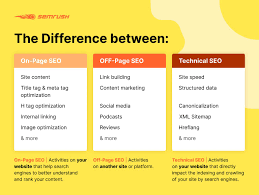
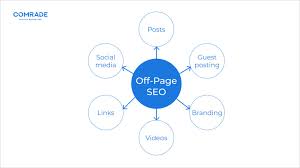
Off-page SEO is often associated with backlinks, but it is broader than link building. It can include digital PR, business listings, customer reviews, brand mentions and other ways of building a credible online presence. The aim is not to collect as many links as possible; it is to earn recognition from relevant, reputable sources.
Why off-page SEO matters
Search engines use many signals to assess the quality and relevance of a website. Links from other sites can act as endorsements, particularly when they come from respected sources in a related field. Other forms of online recognition can also help people discover your brand and strengthen its reputation.
Off-page SEO can support several business goals:
- Building your website’s authority and credibility
- Increasing visibility in relevant search results
- Attracting referral traffic from other websites
- Improving brand awareness and trust
- Reaching potential customers beyond your own channels
Create content people want to reference
Useful, original content gives other websites a reason to mention or link to yours. Before starting outreach, consider whether your site offers something genuinely valuable to its intended audience.
Content that may attract references includes:
- Original research, surveys or industry data
- Practical guides and explainers
- Expert commentary on a timely topic
- Useful tools, calculators or templates
- Detailed case studies that demonstrate real results
- Clear answers to common questions in your industry
Quality matters more than quantity. A well-researched resource that serves a specific audience is more likely to earn meaningful attention than a large volume of generic content.
Earn relevant, high-quality links
Link building should focus on earning editorial links: links that a publisher chooses to include because your content or expertise adds value. Relevance, context and the credibility of the referring site are more important than simply acquiring a high number of links.
Consider these legitimate approaches:
- Digital PR: Share newsworthy research, expert insight or stories with journalists and relevant publications.
- Expert contributions: Offer useful commentary or articles to reputable websites in your sector.
- Resource outreach: Introduce a genuinely helpful guide or tool to organisations whose audiences may benefit from it.
- Partnerships: Work with suppliers, professional bodies, local organisations or complementary businesses on useful projects.
- Unlinked brand mentions: Where appropriate, ask a publisher to make an existing mention of your brand clickable.
Personalise outreach and explain why the resource is relevant to the recipient’s audience. Avoid mass emails, misleading claims and requests that offer no clear value.
Build a consistent local presence
For businesses serving a particular area, local off-page SEO can be especially important. Make sure your business information is accurate and consistent across relevant directories, industry listings and map services.
Check that your business name, address, telephone number, website and opening hours are correct. Prioritise reputable platforms that customers actually use rather than submitting your details to every directory you can find.
Local visibility can also be strengthened through community involvement, local press coverage, partnerships and sponsorships. These activities should be genuine and relevant to your business, not carried out solely to obtain a link.
Encourage and manage customer reviews
Reviews can help potential customers assess your business and may contribute to its visibility on platforms where people search for local services. Ask customers for honest feedback as part of a consistent process, and make it easy for them to leave a review.
Respond professionally to both positive and negative feedback. Thank customers for their comments, and address concerns constructively without sharing private information. Never buy reviews or pressure customers to leave only favourable feedback.
Strengthen brand visibility and expertise
People may discover and discuss your business on websites, podcasts, forums, social platforms and industry communities. These interactions do not all create direct ranking benefits, but they can increase awareness, bring visitors to your site and create opportunities for future coverage or links.
Build visibility by sharing genuinely useful information, contributing to relevant discussions and making knowledgeable people in your organisation available for interviews or expert comment. Social media can help distribute content and build relationships, even though social shares themselves should not be treated as a substitute for editorial links.
Review your backlink profile
Regularly review the websites linking to yours. Look for patterns such as sudden, unexplained growth, irrelevant links or suspicious activity. A backlink review can help you understand how your site is being referenced and identify opportunities to build stronger relationships.
Do not assume that every low-quality-looking link requires action. Search engines can often ignore many unwanted links, and indiscriminately disavowing links may create unnecessary risk. If you suspect a serious link-related problem, investigate carefully and consult current search engine guidance before taking action.
What to avoid
Shortcuts that attempt to manipulate rankings can put your website’s reputation and visibility at risk. Avoid tactics such as:
- Buying links intended to influence search rankings
- Exchanging links at scale purely for SEO benefit
- Using automated tools to create links or mass-post comments
- Publishing low-quality guest articles across unrelated sites
- Creating private networks of sites to pass ranking signals
- Using misleading anchor text or hidden links
When considering a link opportunity, ask whether the placement would still make sense if search engines did not exist. If the answer is no, it may not be a worthwhile activity.
How to measure an off-page SEO strategy
Off-page SEO usually takes time, so measure progress using a combination of indicators rather than relying on one metric. Useful measures include:
- The number and quality of relevant websites linking to your pages
- Referral visits and enquiries from external websites
- Growth in branded searches and direct traffic
- Local visibility, reviews and accurate business listings
- Organic rankings and traffic for relevant topics
- Leads, bookings or sales influenced by your work
Use analytics and search performance tools to establish a baseline, then review results over time. Changes in rankings can have many causes, so consider your off-page activity alongside technical SEO, content quality and wider market conditions.
A simple off-page SEO plan
- Set a clear goal. Decide whether you want to improve local visibility, attract links to a key resource or build awareness in a particular market.
- Understand your audience. Identify the websites, publications and communities your potential customers trust.
- Review your current presence. Check your backlink profile, business listings, reviews and existing brand mentions.
- Create something worth sharing. Develop a useful resource, original insight or story that meets a real audience need.
- Build relationships. Contact relevant people with a specific, thoughtful reason for getting in touch.
- Track outcomes. Monitor links, referral traffic, brand visibility and meaningful business results.
- Refine your approach. Keep investing in activities that deliver value and stop tactics that do not.
Conclusion
An effective off-page SEO strategy is built on credibility, relevance and genuine value. By creating useful content, earning appropriate coverage, maintaining accurate business information and engaging responsibly with your audience, you can strengthen your online reputation over time.
Focus on relationships and recognition rather than chasing link totals. Sustainable off-page SEO supports more than search rankings: it helps the right people find, trust and choose your business.
8 Off-Page SEO Tips to Build Authority and Earn Quality Backlinks
- Earn links from reputable, relevant websites.
- Create useful content others want to cite.
- Build genuine relationships with industry publishers.
- List your business accurately in trusted directories.
- Encourage customers to leave honest reviews.
- Share content where your audience is active.
- Monitor backlinks and remove harmful ones.
- Track referral traffic and link quality.
Earn links from reputable, relevant websites.
Earn links from reputable, relevant websites by creating useful content that other organisations genuinely want to reference. Focus on publishers, professional bodies and businesses that serve an audience related to yours, and build relationships through thoughtful, personalised outreach. A link from a trusted source in your field can bring valuable visitors and strengthen your site’s credibility. Prioritise relevance and quality over the number of links, and avoid buying links or using schemes designed to manipulate search rankings.
Create useful content others want to cite.
Create useful content that others genuinely want to cite. Original research, clear how-to guides, practical tools and well-supported expert insights can give publishers and industry professionals a reason to reference your website. Focus on answering real questions and adding something valuable to the conversation, rather than creating content solely to attract links. When your resource is accurate, distinctive and easy to use, it is more likely to earn relevant citations, build your site’s credibility and bring interested visitors.
Build genuine relationships with industry publishers.
Build genuine relationships with industry publishers by taking the time to understand their audience, subject matter and editorial priorities. Share useful insights, original research or expert commentary that fits their coverage, rather than sending generic requests for backlinks. Be professional, reliable and respectful of their editorial decisions. Over time, these relationships can lead to meaningful coverage, greater brand visibility and relevant links that benefit both readers and your business.
List your business accurately in trusted directories.
List your business accurately in trusted directories to help customers find reliable information about you across the web. Keep your business name, address, phone number, website and opening hours consistent, and prioritise reputable directories that are relevant to your location or industry. Check listings regularly for outdated details, and avoid submitting your business to low-quality directories simply to gain links.
Encourage customers to leave honest reviews.
Encourage customers to leave honest reviews by making it easy for them to share their experience, for example by sending a polite follow-up with a link to your preferred review platform. Genuine feedback can build trust with potential customers and strengthen your business’s local online presence. Invite all customers to review your service, avoid offering rewards for positive comments, and respond to feedback professionally—especially when someone raises a concern.
Share content where your audience is active.
Share your content on the platforms and in the communities your audience already uses, whether that’s LinkedIn, industry forums, local groups or specialist newsletters. Tailor each post to the platform, offer a useful takeaway and join the conversation rather than simply dropping a link. This can help your content reach relevant people, encourage genuine engagement and attract referral visits or natural links over time.
Monitor backlinks and remove harmful ones.
Monitor your backlinks regularly to understand which websites are linking to yours and to spot unusual or potentially harmful patterns, such as a sudden rise in links from irrelevant or suspicious sites. Investigate questionable links before taking action: not every low-quality link needs to be removed, and search engines may ignore some of them. If a link is clearly manipulative, contact the site owner and request its removal. Use Google’s disavow tool only as a last resort, following Google’s current guidance, as disavowing legitimate links can harm your search visibility.
Track referral traffic and link quality.
Track referral traffic and link quality to understand which off-page SEO activities are delivering real value. Use analytics tools to see whether links from other websites bring relevant visitors who engage with your content or become customers. Review each referring site for relevance, credibility and the context in which it links to you; a few trusted links from related sources are often more valuable than many low-quality ones. Use these insights to focus your outreach on the sources and partnerships that best support your goals.