Google Search Engine Optimisation: A Practical Guide
Google search engine optimisation (SEO) is the process of improving a website so that its pages can be found, understood and considered useful by people using Google Search. Effective SEO can help a business reach relevant audiences, attract qualified visitors and build a stronger online presence over time.
SEO is not a shortcut to the top of the search results. Google’s systems consider many factors, and rankings can change as search results, competitors and user needs evolve. The most sustainable approach is to create a fast, accessible website with helpful content that satisfies the purpose behind each search.
How Google Search works
Google Search broadly involves three stages: crawling, indexing and serving results. Google discovers pages by following links and using other methods, then analyses the information it finds. Eligible pages may be added to Google’s index. When someone searches, Google’s systems select and order results that appear relevant and useful for that query.
There is no guarantee that every page will be crawled, indexed or shown prominently. However, clear site structure, accessible pages and original, useful information can make it easier for search engines to understand a website.
Start with the audience and their search intent
Before creating a page, consider what the searcher wants to achieve. Someone searching for “how to improve website speed” is likely looking for instructions, while someone searching for a particular product may be comparing options or ready to buy. A page is more likely to be useful when its content matches that intent.
- Identify the questions and needs of the intended audience.
- Research the language people use when searching for relevant topics.
- Choose one clear purpose for each page.
- Provide a more complete and helpful answer than a page that simply repeats common information.
Create useful, trustworthy content
High-quality content should be written for people first. It should be accurate, clear and relevant, with enough detail to help readers take their next step. Avoid creating pages solely to target slight variations of the same keyword or publishing large volumes of generic text without adding value.
Trust matters, particularly for subjects that can affect a person’s health, finances or safety. Make it clear who is responsible for the content, use reliable sources where appropriate, and keep important information up to date. First-hand experience, practical examples and original expertise can make a page more distinctive and useful.
Use keywords naturally
Keywords are the words and phrases people use in search. They can help guide a page’s subject, but they should not be forced into every sentence. Include the main topic naturally in the page title, heading and relevant sections, while also using related terms where they make the content clearer.
Writing for search engines by repeating keywords excessively can make a page difficult to read. Focus instead on covering the topic in a way that answers the reader’s questions.
Improve on-page SEO
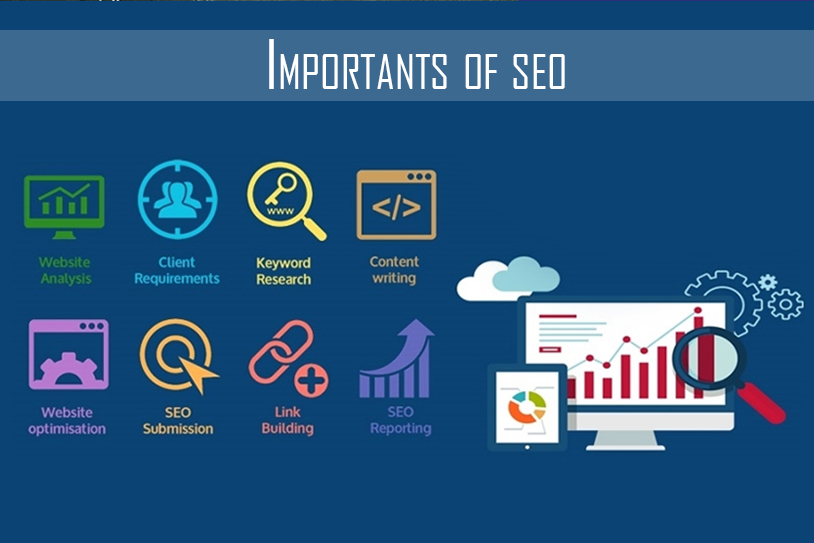
On-page SEO covers elements that can be improved directly on a page. A clear layout helps both readers and search engines understand its subject.
- Page titles: Write a unique, descriptive title that reflects the page’s content.
- Headings: Use headings in a logical order to organise the information.
- Page addresses: Keep URLs concise and meaningful where possible.
- Internal links: Link to related pages using descriptive link text.
- Images: Use relevant images, compress them to reduce file size and provide alternative text when the image conveys useful information.
- Meta descriptions: Write a concise summary of the page. Google may use it in search results, but can also generate a different description.
Make the website technically accessible
Technical SEO helps search engines access and interpret a website. It also supports a better experience for visitors. Important checks include ensuring that key pages can be crawled, that the website works on mobile devices and that visitors can reach content without confusing navigation.
Secure browsing, reliable hosting and good loading performance are also important parts of a well-maintained website. Use Google Search Console to check for indexing issues, review search performance and submit a sitemap if appropriate. A sitemap can help Google discover pages, although it does not guarantee that they will be indexed.
Consider local SEO
For businesses serving a particular area, local SEO can help people find relevant services nearby. Keep business details consistent across the website and important listings, and create useful pages for the areas genuinely served. A verified Google Business Profile can help eligible businesses manage how they appear on Google Search and Maps.
Reviews can help potential customers make informed decisions. Request them appropriately, respond professionally and never misrepresent a business’s location or services.
Measure progress and refine the strategy
SEO results usually take time, and rankings alone do not show the whole picture. Review a range of measures, including organic visits, relevant search queries, enquiries, sales and other meaningful actions. Google Search Console provides information about how a site performs in Google Search, while analytics tools can help assess what visitors do after arriving.
Use the data to identify pages that need clearer information, stronger internal links or technical improvements. Changes should be made thoughtfully: frequent edits made solely in response to short-term ranking movements can make it difficult to understand what is working.
Avoid risky SEO shortcuts
Practices such as buying links, hiding keywords, copying content or publishing misleading pages can undermine trust and may violate Google’s spam policies. Be cautious of anyone promising guaranteed rankings or instant results. No provider can control Google’s results, and legitimate SEO requires ongoing work.
Conclusion
Google search engine optimisation works best as a long-term commitment to useful content, clear website structure and a reliable visitor experience. By understanding what an audience is looking for, making pages easy to use and monitoring performance, businesses can build a stronger foundation for visibility in Google Search.
7 Advantages of Google Search Engine Optimisation: Boost Visibility, Credibility, and Growth
- Increases visibility in Google Search
- Attracts relevant website visitors
- Builds trust and credibility
- Supports long-term growth
- Improves website usability
- Helps reach local customers
- Can generate cost-effective leads
Challenges of Google Search Engine Optimisation: Patience, Competition, and Uncertainty
- SEO can take time to show results.
- Google rankings can change without warning.
- Competition for popular search terms is high.
- Ongoing content and technical work may be costly.
- Higher rankings are never guaranteed.
Increases visibility in Google Search
Google search engine optimisation can increase a website’s visibility in Google Search by helping its pages appear for relevant queries. When people can find a business more easily, it may attract more visitors who are already interested in its products, services or information. While SEO cannot guarantee a particular ranking, useful content and a well-structured website can improve the chances of reaching the right audience.
Attracts relevant website visitors
Google search engine optimisation can attract relevant visitors by helping your website appear for searches related to your products, services or expertise. When pages address what people are actively looking for, they are more likely to reach an audience with a genuine interest in your offering. This can lead to more meaningful engagement and a better chance of turning visits into enquiries or sales.
Builds trust and credibility
Effective Google search engine optimisation can help build trust and credibility by making a website easier to find and navigate, while presenting useful, accurate information to visitors. Strong visibility in relevant search results can help people discover a business when they are looking for answers or services, and clear content, secure browsing and a professional online experience can reinforce confidence once they arrive. SEO cannot guarantee trust or high rankings, but consistently putting users first can help a business earn both over time.
Supports long-term growth
One of the key advantages of Google search engine optimisation is its ability to support long-term growth. By improving a website’s content, structure and visibility over time, a business can attract a steady stream of relevant visitors without relying solely on paid advertising. As useful pages build authority and continue to meet people’s needs, they can support lasting brand awareness, enquiries and sales.
Improves website usability
Google search engine optimisation can improve website usability by encouraging a clear structure, intuitive navigation and content that is easy to find and understand. SEO practices such as improving page speed, making a site mobile-friendly and using descriptive headings can make browsing smoother for visitors. These changes help people reach the information they need more easily, while also making the website simpler for search engines to explore.
Helps reach local customers
Google search engine optimisation can help local customers find your business when they search online for nearby products or services. By using accurate business details, creating locally relevant website content and maintaining an up-to-date Google Business Profile, you can improve your chances of appearing in local search results and connecting with people who are ready to visit, call or make an enquiry.
Can generate cost-effective leads
Google search engine optimisation can generate cost-effective leads by helping a business appear when people are actively searching for its products or services. Unlike paid advertising, organic clicks do not usually incur a fee each time someone visits a page, so well-optimised content can continue attracting relevant prospects over time. Although SEO requires investment in planning, content and maintenance, it can deliver lasting visibility and enquiries, making it a valuable part of a cost-conscious marketing strategy.
SEO can take time to show results.
One drawback of Google search engine optimisation is that it can take time to show results. Even well-planned improvements to a website may take weeks or months to influence rankings and attract more organic traffic, as Google needs to discover and assess changes and competitors may also be working to improve their visibility. This means SEO is best viewed as a long-term investment rather than a quick way to generate leads or sales.
Google rankings can change without warning.
One drawback of Google search engine optimisation is that rankings can change without warning. Google regularly updates its systems, while competitors improve their websites and search trends shift, so a page’s position may rise or fall even when no changes have been made to the site. These fluctuations can affect website traffic and enquiries, making it difficult for businesses to rely on a steady flow of visitors from search. Ongoing monitoring and a broader marketing strategy can help reduce the impact of sudden changes.
Competition for popular search terms is high.
Competition for popular search terms can be intense, particularly in established industries where many businesses are targeting the same audience. Larger companies may have more resources to invest in content, technical improvements and promotion, making it difficult for newer or smaller websites to rank prominently. As a result, gaining visibility for highly searched phrases can take considerable time and effort, with no guarantee of reaching the top results. A practical approach is to target more specific search terms and address focused audience needs, while gradually building authority in the wider topic.
Ongoing content and technical work may be costly.
A potential drawback of Google search engine optimisation is the ongoing investment it requires. Keeping content accurate, useful and up to date takes time, while technical improvements—such as enhancing site speed, fixing indexing issues and maintaining mobile usability—may require specialist skills or paid support. These costs can add up, particularly for smaller businesses, and results may take time to appear.
Higher rankings are never guaranteed.
Higher rankings are never guaranteed with Google search engine optimisation. Google’s algorithms and search results change over time, while competitors may also improve their websites and content. Even a well-planned SEO strategy cannot promise a particular position or timeframe, so businesses should treat SEO as a long-term investment and measure progress through meaningful outcomes such as relevant traffic, enquiries and sales—not rankings alone.