The Power of B2B Digital Marketing: Driving Growth and Success
Business-to-business (B2B) digital marketing has emerged as a powerful tool for companies looking to expand their reach, connect with potential clients, and drive revenue growth in the digital age. In a world where online presence is paramount, leveraging digital marketing strategies tailored to the B2B landscape can make all the difference in staying competitive and relevant.
Understanding B2B Digital Marketing
Unlike business-to-consumer (B2C) marketing, which targets individual consumers, B2B marketing focuses on promoting products or services to other businesses. The goal is to establish meaningful relationships, build trust, and ultimately drive conversions that lead to long-term partnerships.
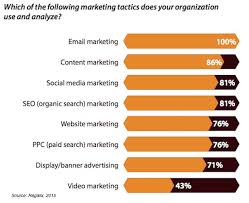
In the realm of digital marketing, B2B strategies often involve a mix of tactics such as search engine optimisation (SEO), content marketing, social media advertising, email campaigns, and more. These tools are used to reach decision-makers within businesses, showcase expertise and value propositions, and nurture leads through the sales funnel.
The Benefits of B2B Digital Marketing
One of the key advantages of B2B digital marketing is its ability to target specific industries, job roles, and company sizes with precision. By tailoring messaging and content to address the unique challenges and needs of different businesses, companies can increase engagement and conversion rates significantly.
Moreover, digital marketing offers unparalleled opportunities for tracking and measuring campaign performance. Through analytics tools and data-driven insights, businesses can gain valuable feedback on their strategies in real time, allowing for continuous optimisation and improvement.
Best Practices for Success
To excel in B2B digital marketing, companies should focus on creating high-quality content that educates and informs their target audience. Thought leadership pieces, case studies, whitepapers, and industry reports can help establish credibility and position a company as an authority in its field.
Additionally, personalisation plays a crucial role in B2B marketing success. Tailoring messaging to address specific pain points or challenges faced by potential clients can foster stronger connections and increase the likelihood of conversion.
The Future of B2B Digital Marketing
As technology continues to evolve at a rapid pace, the landscape of B2B digital marketing is set to undergo further transformations. Artificial intelligence (AI), machine learning algorithms, chatbots, and other innovations will play an increasingly significant role in streamlining processes, enhancing customer experiences, and driving results.
By embracing these advancements and staying attuned to industry trends, businesses can position themselves for success in the dynamic world of B2B digital marketing. The future is bright for those willing to adapt and innovate in this ever-changing environment.
7 Essential B2B Digital Marketing Tips to Boost Engagement and Drive Conversions
- Understand your target audience and their needs
- Create valuable and relevant content for your audience
- Utilize email marketing to nurture leads
- Optimize your website for lead generation and conversions
- Use social media to engage with potential clients
- Implement SEO strategies to improve online visibility
- Track and analyse data to measure the effectiveness of your campaigns
Understand your target audience and their needs
To succeed in B2B digital marketing, it is essential to deeply understand your target audience and their specific needs. By conducting thorough research and analysis, businesses can identify the pain points, challenges, and preferences of their potential clients. Tailoring marketing strategies to address these needs not only enhances engagement but also builds trust and credibility. By demonstrating a clear understanding of your audience’s requirements, businesses can establish meaningful connections and drive conversions that lead to long-term partnerships.
Create valuable and relevant content for your audience
In the realm of B2B digital marketing, creating valuable and relevant content for your audience is a cornerstone of success. By offering insightful and informative content that addresses the specific needs and challenges of your target businesses, you can establish credibility, build trust, and nurture lasting relationships. Whether it’s in the form of thought leadership articles, case studies, or industry reports, providing content that adds value to your audience’s professional lives can set you apart as a trusted authority in your field. Remember, quality content not only attracts attention but also engages and converts leads effectively in the competitive landscape of B2B marketing.
Utilize email marketing to nurture leads
In the realm of B2B digital marketing, a valuable tip is to leverage email marketing as a powerful tool for nurturing leads. By crafting targeted and personalised email campaigns, businesses can engage with potential clients at various stages of the buying journey, providing them with relevant content, offers, and insights that address their specific needs and challenges. Through consistent communication via email, companies can build trust, establish credibility, and guide leads towards conversion. Email marketing not only helps to keep the brand top-of-mind but also allows for ongoing relationship-building that can lead to long-term partnerships and sustained business growth.
Optimize your website for lead generation and conversions
To maximise the effectiveness of your B2B digital marketing efforts, it is essential to optimise your website for lead generation and conversions. By creating a user-friendly interface, implementing clear calls-to-action, and offering valuable content that addresses the needs of your target audience, you can guide visitors through the sales funnel and encourage them to take desired actions. Utilising lead capture forms, conducting A/B testing to refine conversion paths, and analysing user behaviour data can help enhance the performance of your website as a powerful tool for generating leads and driving conversions in the competitive B2B landscape.
Use social media to engage with potential clients
In the realm of B2B digital marketing, leveraging social media platforms to engage with potential clients can be a game-changer. By creating compelling content, sharing industry insights, and actively participating in relevant discussions, businesses can establish a strong online presence and build meaningful relationships with key decision-makers. Social media offers a unique opportunity to showcase expertise, address customer queries promptly, and humanise the brand, ultimately fostering trust and loyalty among target audiences. Embracing social media as a tool for engagement can lead to increased brand visibility, enhanced lead generation, and ultimately drive business growth in the competitive B2B landscape.
Implement SEO strategies to improve online visibility
In the realm of B2B digital marketing, implementing robust SEO strategies is a fundamental tip to enhance online visibility and drive organic traffic to your website. By optimising your content with relevant keywords, improving site structure, and building quality backlinks, you can increase your chances of appearing prominently in search engine results pages. This not only boosts brand visibility but also establishes credibility and trust among potential B2B clients seeking solutions in your industry. A strong SEO foundation is key to positioning your business for success in the competitive digital landscape of B2B marketing.
Track and analyse data to measure the effectiveness of your campaigns
Tracking and analysing data is a fundamental aspect of successful B2B digital marketing campaigns. By monitoring key metrics such as website traffic, click-through rates, conversion rates, and customer engagement, businesses can gain valuable insights into the performance of their strategies. This data-driven approach allows companies to identify what is working well, where improvements are needed, and how to optimise future campaigns for maximum impact. With a clear understanding of campaign effectiveness, businesses can make informed decisions to allocate resources wisely and drive continuous growth in the competitive B2B landscape.