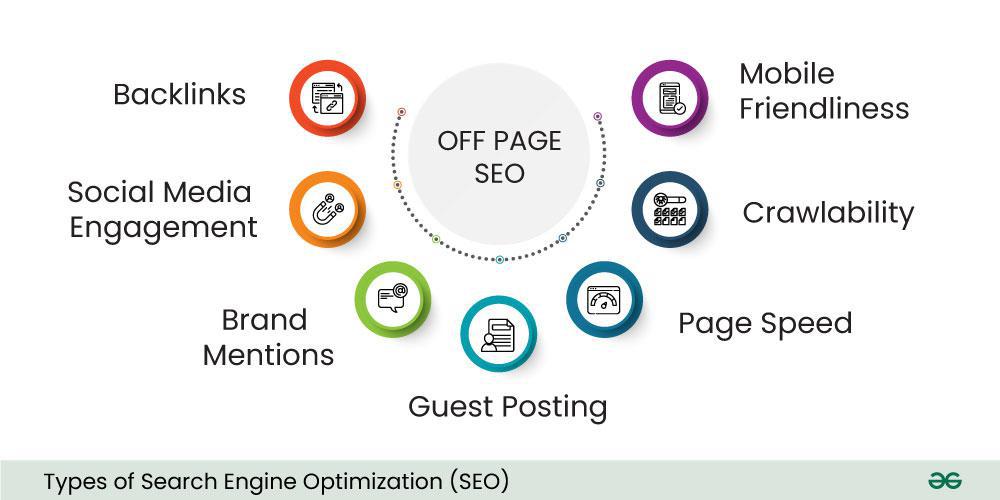
Search Engine Optimisation in Web Development
Search engine optimisation (SEO) is often treated as a task to complete after a website has been built. In practice, it works best when considered throughout the web development process. Decisions about a site’s structure, code, speed and accessibility can all affect how easily search engines understand its pages—and how useful the site is to visitors.
Building SEO into a website from the start can reduce the need for costly changes later. It also helps create a better experience for people using the site, whether they arrive from a search engine, a link or a bookmark.
What does SEO in web development involve?
SEO brings together several practices that help search engines discover, interpret and present a website. Web development supports these practices by creating a sound technical foundation. This includes making pages accessible to search engines, providing clear information about their content and ensuring that the site works well across devices.
Development alone cannot guarantee strong search rankings. Useful content, a clear understanding of the intended audience and the site’s wider reputation also matter. However, even excellent content can struggle to perform if it is hidden behind technical problems or difficult to use.
Plan a clear site structure
A logical structure makes a website easier to navigate for both visitors and search engines. Group related pages together, use clear page names and keep important content within a sensible number of clicks from the home page.
Navigation should be consistent and descriptive. For example, a label such as “Services” is generally more informative than an ambiguous label such as “Explore”. Breadcrumb navigation can also help visitors understand where they are within a larger site.
Clear structure begins with planning. Before development starts, map out the main sections, their relationships and the pages each section needs. This can help avoid duplicated pages, confusing navigation and important content that is difficult to find.
Build pages that search engines can access
Search engines need to be able to crawl a site and find its important pages. Developers should check that pages intended to appear in search results are not accidentally blocked by robots directives, access restrictions or incorrect “noindex” instructions.
Internal links help search engines discover pages and understand how they relate to one another. Use links that work reliably and, where possible, make the link text describe the destination. XML sitemaps can provide an additional list of important URLs, although they do not replace good internal linking.
Redirects should be handled carefully when URLs change. A relevant permanent redirect can guide visitors and search engines from an old address to its replacement. Broken links and unnecessary chains of redirects should be identified and fixed.
Use semantic HTML
Semantic HTML gives page elements meaningful roles. Headings, paragraphs, lists, navigation areas and forms should use appropriate elements rather than relying on generic containers for everything. This makes the page easier for browsers and assistive technologies to interpret, and can help search engines understand its organisation.
Each page should have a clear main heading, followed by subheadings that organise the content in a sensible order. Headings are not simply a way to change text size; their hierarchy should reflect the structure of the information.
Images should have suitable alternative text when they convey useful information. Decorative images can usually be given empty alternative text so that screen readers do not announce unnecessary descriptions. Accessibility is a valuable part of good web development and often supports a more usable, understandable site overall.
Make performance a priority
Slow pages can frustrate visitors, particularly on mobile connections. Performance should be considered during design and development, rather than left until the end of a project.
- Compress images and use modern image formats where they are supported.
- Serve images at appropriate dimensions instead of downloading unnecessarily large files.
- Reduce unused JavaScript and CSS.
- Limit unnecessary third-party scripts, which can slow pages and affect privacy.
- Use caching and efficient hosting to improve delivery times.
- Test pages on real devices and different connection speeds.
Performance should be assessed across the site, not just on the home page. Product pages, articles and interactive tools may have different requirements and may perform differently.
Design for mobile devices
Many visitors browse primarily on phones, so a website should adapt to different screen sizes. Responsive design allows a single set of pages to adjust to the available space, while keeping content and functionality accessible.
Check that text is readable without zooming, buttons are easy to tap, forms are straightforward to complete and important content is not hidden on smaller screens. Mobile usability is not only a design concern: it can affect how readily people engage with a site.
Write useful page titles and descriptions
Each important page should have a unique, descriptive title element. The title should accurately summarise the page and help visitors distinguish it from other pages in search results. A concise meta description can also provide a useful summary, although search engines may choose to display different text.
Titles and descriptions should be written for people, not filled with repeated search terms. The page’s main content should answer the visitor’s needs clearly and in sufficient detail. Avoid creating multiple pages that target the same subject in nearly identical ways, as this can make the site harder to understand and maintain.
Use structured data appropriately
Structured data is a standardised way to describe information on a page, such as an organisation, article, event or product. Correctly implemented structured data may help search engines interpret that information and could make a page eligible for certain enhanced search features.
It must accurately reflect visible page content and follow the relevant search engine guidelines. Structured data does not guarantee enhanced presentation or higher rankings. Validate it during development and review it when the page or its content changes.
Choose URLs and handle duplicate pages
Good URLs are readable, stable and relevant to the page. Use a consistent format and avoid changing addresses without a clear reason. If a page must move, redirect the old URL to the most relevant new destination.
Some websites can unintentionally make the same content available at several addresses—for example, through tracking parameters or alternative page versions. Canonical link elements can indicate a preferred URL, but they should be used carefully and consistently. They are a signal to search engines, not an instruction that overrides every other technical issue.
Keep content and development aligned
SEO works best when developers, designers, writers and business stakeholders collaborate. Developers can provide flexible page templates and content management tools, while writers ensure that the information is accurate, helpful and organised around the audience’s needs.
Templates should support useful page elements such as headings, image descriptions, page titles and metadata without forcing editors to use them incorrectly. A content management system should also make it practical to keep important information accurate and up to date.
Test, measure and maintain
Before launch, check that the site works across common browsers and devices. Review internal links, redirects, page titles, indexation settings, structured data, accessibility and loading performance. A staging website should generally be protected from search indexing until it is ready to go live; remember to remove any temporary restrictions at launch.
After launch, monitor the site for crawl errors, broken links, unexpected changes in search visibility and performance issues. Search engine optimisation is an ongoing process: websites change, user needs evolve and technical problems can appear over time.
Conclusion
Search engine optimisation is most effective when it is part of the web development process from the beginning. A clear structure, accessible code, fast and responsive pages, reliable technical settings and useful content all contribute to a stronger website.
No development technique can promise a particular position in search results. The aim is to make the site easy to use, easy to understand and technically sound, while giving visitors information that genuinely meets their needs.
Enhancing Web Development: Six Key Benefits of Search Engine Optimisation
- Improves visibility in search results.
- Helps search engines understand your content.
- Creates faster, more responsive websites.
- Makes navigation clearer for visitors.
- Supports accessible, user-friendly design.
- Builds a strong foundation for sustainable traffic.
Challenges of SEO in Web Development: Time, Costs, and Uncertain Outcomes
- Can increase development time and costs.
- SEO results may take months to appear.
- Search engine algorithms can change unexpectedly.
- Technical fixes may require ongoing maintenance.
- Over-optimisation can harm readability and usability.
- Rankings are never guaranteed.
Improves visibility in search results.
Search engine optimisation in web development helps improve a website’s visibility in search results by making its pages easier for search engines to crawl, understand and index. Clear site structure, descriptive page titles, relevant content and sound technical foundations can help search engines match pages with people’s searches. Greater visibility can help more potential visitors discover the website when they are looking for related information, products or services.
Helps search engines understand your content.
Search engine optimisation helps search engines understand what your website is about. Clear page titles, descriptive headings, well-organised content, meaningful links and semantic HTML provide useful context about each page and how it relates to the rest of the site. This makes it easier for search engines to crawl and interpret your content, helping them match relevant pages with people’s searches.
Creates faster, more responsive websites.
Search engine optimisation encourages developers to build faster, more responsive websites by focusing on efficient code, optimised images and performance across different devices. A site that loads quickly and adapts smoothly to mobile screens is easier for visitors to use, helping them find information without delays or frustration. These improvements can also make pages more accessible and support stronger visibility in search results.
Makes navigation clearer for visitors.
Search engine optimisation encourages a clear, logical website structure, making it easier for visitors to find the information they need. Descriptive menus, well-organised pages and helpful internal links guide people through the site without confusion. This improves the browsing experience and helps visitors move naturally between related content.
Supports accessible, user-friendly design.
SEO in web development supports accessible, user-friendly design by encouraging clear page structures, descriptive headings, meaningful link text and helpful image descriptions. These features make content easier to navigate and understand for all visitors, including people using screen readers or other assistive technologies. Responsive layouts and fast-loading pages also improve the experience across devices and connection speeds, helping visitors find what they need with less effort.
Builds a strong foundation for sustainable traffic.
Integrating search engine optimisation into web development helps create a strong foundation for sustainable traffic. A well-structured, fast, mobile-friendly website makes it easier for search engines to discover and understand its pages, while giving visitors a better experience. Combined with useful, relevant content, these technical foundations can help a site attract visitors through organic search over time, rather than relying solely on short-term advertising campaigns.
Can increase development time and costs.
Search engine optimisation can increase development time and costs because it requires additional planning, implementation and testing. Developers may need to improve site structure, page speed, accessibility, mobile usability and technical settings, while teams may also need specialist advice or tools. Although these changes can require a larger upfront investment, building SEO into the project from the start can help avoid more expensive fixes later.
SEO results may take months to appear.
One drawback of incorporating SEO into web development is that results can take months to appear. Search engines need time to discover and assess changes, while a new website may also need to build trust and authority. This means improvements to site structure, speed or content may not lead to an immediate increase in visibility or traffic. Businesses should therefore treat SEO as a long-term investment, monitor progress over time and avoid relying on quick results.
Search engine algorithms can change unexpectedly.
One drawback of relying on search engine optimisation in web development is that search engine algorithms can change unexpectedly. A website that performs well today may lose visibility after an update, even if its content and technical setup have not changed. Developers and site owners may need to review their approach, investigate ranking fluctuations and make adjustments, which takes time and resources. For this reason, SEO should be treated as an ongoing process rather than a one-off task, with a focus on useful content, sound technical foundations and a good experience for visitors.
Technical fixes may require ongoing maintenance.
Technical SEO fixes are rarely a one-off task. Website updates, new features, changes to search engine requirements and third-party tools can introduce issues or undo previous improvements. Redirects, structured data, page speed and crawl settings may all need regular checks, so ongoing maintenance can require time, specialist knowledge and budget. Without it, problems may gradually affect how well search engines access and interpret the site.
Over-optimisation can harm readability and usability.
Over-optimisation can make a website harder to read and use. When keywords are forced into headings, links and body text, the content may sound unnatural or repetitive, making it less helpful to visitors. Excessive pop-ups, internal links or other tactics intended to improve search visibility can also distract from the main purpose of a page. SEO should support a clear, accessible experience—not take priority over it.
Rankings are never guaranteed.
Rankings are never guaranteed: Even when a website follows SEO best practices, there is no certainty it will reach or maintain a particular position in search results. Search engines regularly update their algorithms, while competitors, changing user behaviour and other external factors can all affect visibility. SEO should therefore be viewed as a long-term investment in a website’s quality and discoverability, rather than a promise of specific rankings or results.