Search Optimisation for Google: A Practical Guide
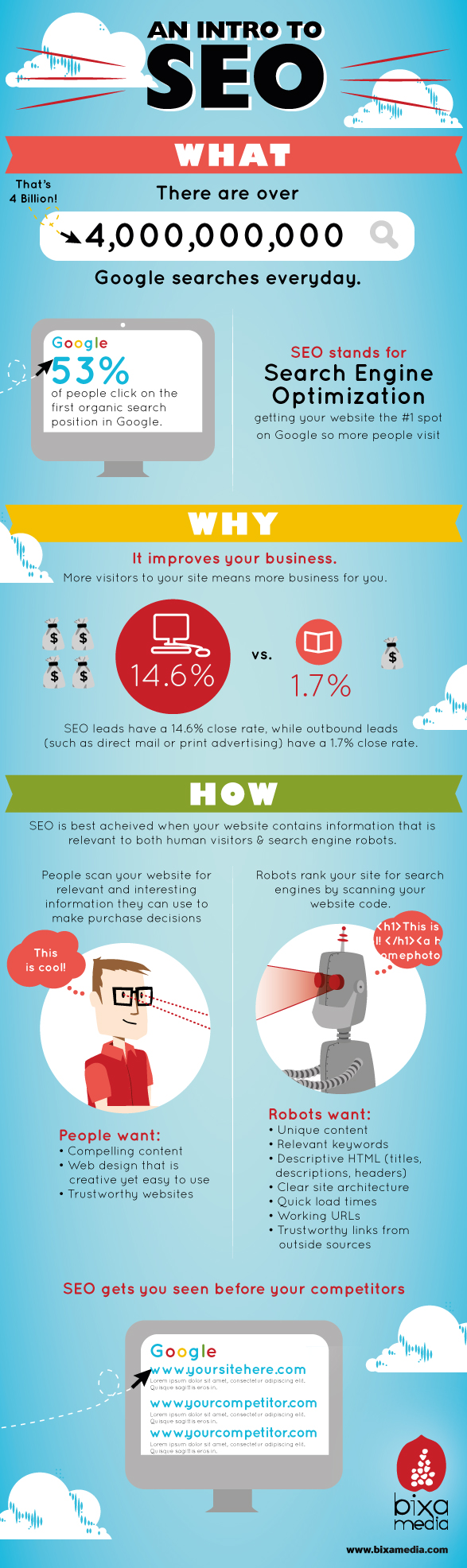
Search optimisation for Google—often called search engine optimisation (SEO)—is the process of making a website easier for Google to find, understand and present in relevant search results. Good SEO can help the right people discover your pages, but it takes time and there is no guaranteed way to secure a particular ranking.
Google’s search systems aim to show useful, relevant results. The strongest approach is therefore to create a technically accessible website with clear, helpful content that meets the needs of its intended audience.
Start with your audience and search intent
Before writing or updating a page, consider what someone is trying to achieve when they search. They may want an explanation, a comparison, a product or a local service. This purpose is known as search intent.
Research the language your audience uses, then organise related questions and topics into a clear plan. Keyword research can help reveal these needs, but avoid forcing exact phrases into every paragraph. A page should read naturally and answer the query thoroughly.
Create useful, original content
Useful content gives readers a clear answer, practical detail and a reason to trust the information. Aim to:
- Address the main question near the beginning of the page.
- Explain important terms and provide relevant examples.
- Use accurate, current information and cite reliable sources where appropriate.
- Make the content distinct rather than copying or lightly rewording other pages.
- Review important pages regularly and update them when facts or guidance change.
There is no ideal word count that guarantees a high ranking. Make a page as detailed as the subject and reader require, without adding filler.
Make pages easy to understand
Clear page structure helps people scan content and helps search engines interpret it. Use a concise title that describes the page, a useful main heading and descriptive subheadings. Write page titles and meta descriptions that accurately summarise the content; these may influence how a result appears, though Google can generate its own snippets.
Use descriptive link text so readers understand where a link leads. Connect related pages with internal links, and use image alt text to describe meaningful images for people using assistive technology. Compress images where possible and avoid using large images when a smaller file will do.
Check the technical foundations
Google needs to be able to access and understand your pages. Check that important content can be crawled, that pages return the correct status codes and that the site does not accidentally block search engines. A sitemap can help Google discover URLs, while Google Search Console can report indexing issues and show how the site performs in Google Search.
Also make sure your site:
- Works well on mobile devices.
- Uses HTTPS to protect connections.
- Loads reliably and offers a straightforward browsing experience.
- Has sensible URL structures and avoids unnecessary duplicate pages.
- Uses structured data only when it accurately describes visible page content.
Structured data can make pages eligible for certain enhanced search features, but it does not guarantee that those features will appear.
Build trust and authority responsibly
People are more likely to rely on information when it is clear who created it and why they are qualified to discuss the subject. Provide accurate business details, author information and appropriate references. For sensitive topics, take particular care with accuracy and transparency.
Links from other websites can help people discover your content and may provide useful context about its reputation. Focus on earning relevant links through valuable work, genuine partnerships and useful resources. Avoid buying links or using schemes designed to manipulate rankings.
Measure results and improve over time
SEO is an ongoing process. Google Search Console can help you review search impressions, clicks, queries and indexing status. Analytics tools can provide further insight into what visitors do after arriving on your site.
Look for meaningful patterns rather than reacting to every short-term change. If a page receives impressions but few clicks, its title and description may need to represent its value more clearly. If visitors arrive but do not find what they need, improve the page itself or make the next step easier to understand.
Be patient and avoid shortcuts
Changes to a website may take time to be crawled, indexed and reflected in search results. Rankings can also vary as Google updates its systems and competing pages change. No legitimate SEO professional can promise a specific position on Google.
A sustainable strategy combines helpful content, accessible technology and a good experience for visitors. By focusing on those fundamentals, you can make your website easier to find and more useful to the people searching for what you offer.
6 Benefits of Google Search Optimisation for Your Website
- Helps people discover your website on Google.
- Attracts visitors actively searching for your services.
- Improves your website’s content and structure.
- Can build trust with useful, relevant pages.
- Supports long-term visibility in search results.
- Helps you understand what your audience is looking for.
Five Drawbacks of Google Search Optimisation
- Results can take time to appear.
- Google rankings can change unexpectedly.
- High rankings are never guaranteed.
- Competition for popular searches is intense.
- SEO requires ongoing effort and updates.
Helps people discover your website on Google.
Search optimisation helps people discover your website on Google by making its pages easier for the search engine to understand and match with relevant searches. When your content clearly answers what people are looking for, it has a better chance of appearing in search results and reaching potential customers, readers or visitors.
Attracts visitors actively searching for your services.
Search optimisation for Google can help your website reach people who are already looking for the services you offer. By creating helpful pages that match their search queries, you can attract more relevant visitors—people with a clear need and a greater likelihood of getting in touch or becoming customers.
Improves your website’s content and structure.
Search optimisation for Google can improve your website’s content and structure by encouraging clear, useful information that answers visitors’ questions. Organised headings, descriptive page titles and relevant internal links make content easier to navigate and understand. This benefits readers while helping Google interpret how your pages relate to one another, making your website more accessible and user-friendly.
Can build trust with useful, relevant pages.
Search optimisation for Google can help build trust by making useful, relevant pages easier for people to find. When a page clearly answers a reader’s question, offers accurate information and is simple to navigate, visitors are more likely to see the website as helpful and dependable. Over time, consistently publishing content that meets your audience’s needs can strengthen your reputation and encourage people to return.
Supports long-term visibility in search results.
Search optimisation can support long-term visibility in Google search results by helping your website become easier to discover, understand and trust. Unlike paid advertising, which typically stops bringing traffic when spending ends, well-maintained pages may continue attracting relevant visitors over time. Regularly updating useful content, keeping your site technically sound and meeting your audience’s needs can help sustain that visibility, although search rankings and traffic are never guaranteed.
Helps you understand what your audience is looking for.
Search optimisation for Google can help you understand what your audience is looking for by revealing the words and questions people use when searching online. Reviewing this information can highlight their needs, interests and challenges, helping you create more relevant content, improve your services and make it easier for potential customers to find the information they need.
Results can take time to appear.
One drawback of search optimisation for Google is that results can take time to appear. Even well-planned changes may take weeks or months to influence visibility, as Google needs to discover, assess and index updated pages. Rankings can also fluctuate, so SEO is rarely a quick fix for businesses seeking immediate traffic or leads.
Google rankings can change unexpectedly.
One drawback of search optimisation for Google is that rankings can change unexpectedly. Google regularly updates its search systems, while competitors may improve their own websites and user behaviour can shift. As a result, a page that performs well today may receive less visibility tomorrow, even if its content has not changed. This uncertainty makes it difficult to rely on rankings alone and means businesses need to monitor performance and keep improving their websites over time.
High rankings are never guaranteed.
A key drawback of search optimisation for Google is that high rankings are never guaranteed. Google’s algorithms and search results can change, while competitors may continually improve their own websites. Even a well-planned SEO strategy may take time to show results, and a page can move up or down without warning. It is therefore best to treat SEO as an ongoing investment rather than a promise of a particular position or a fixed amount of traffic.
Competition for popular searches is intense.
Competition for popular Google searches can be intense, particularly in sectors where many established websites target the same keywords. This can make it difficult for newer or smaller sites to appear prominently, even when their content is useful. Building visibility often takes time, consistent effort and a focus on more specific search queries where competition may be lower.
SEO requires ongoing effort and updates.
One of the drawbacks of search optimisation for Google is that it requires ongoing effort and regular updates. Search trends, competitors and Google’s systems can change over time, so content and technical improvements that work today may need reviewing later. This means businesses must continually monitor performance, refresh important pages and address emerging issues—work that takes time and resources, with no guarantee of maintaining a particular ranking.