The Power of Ecommerce Marketing: Driving Success in the Digital Age
In today’s fast-paced digital landscape, ecommerce has become a dominant force in the retail industry. With the convenience of online shopping and the global reach of the internet, businesses are increasingly turning to ecommerce as a primary sales channel. However, with this shift comes the need for effective ecommerce marketing strategies to stand out in a crowded online marketplace.
Understanding Ecommerce Marketing
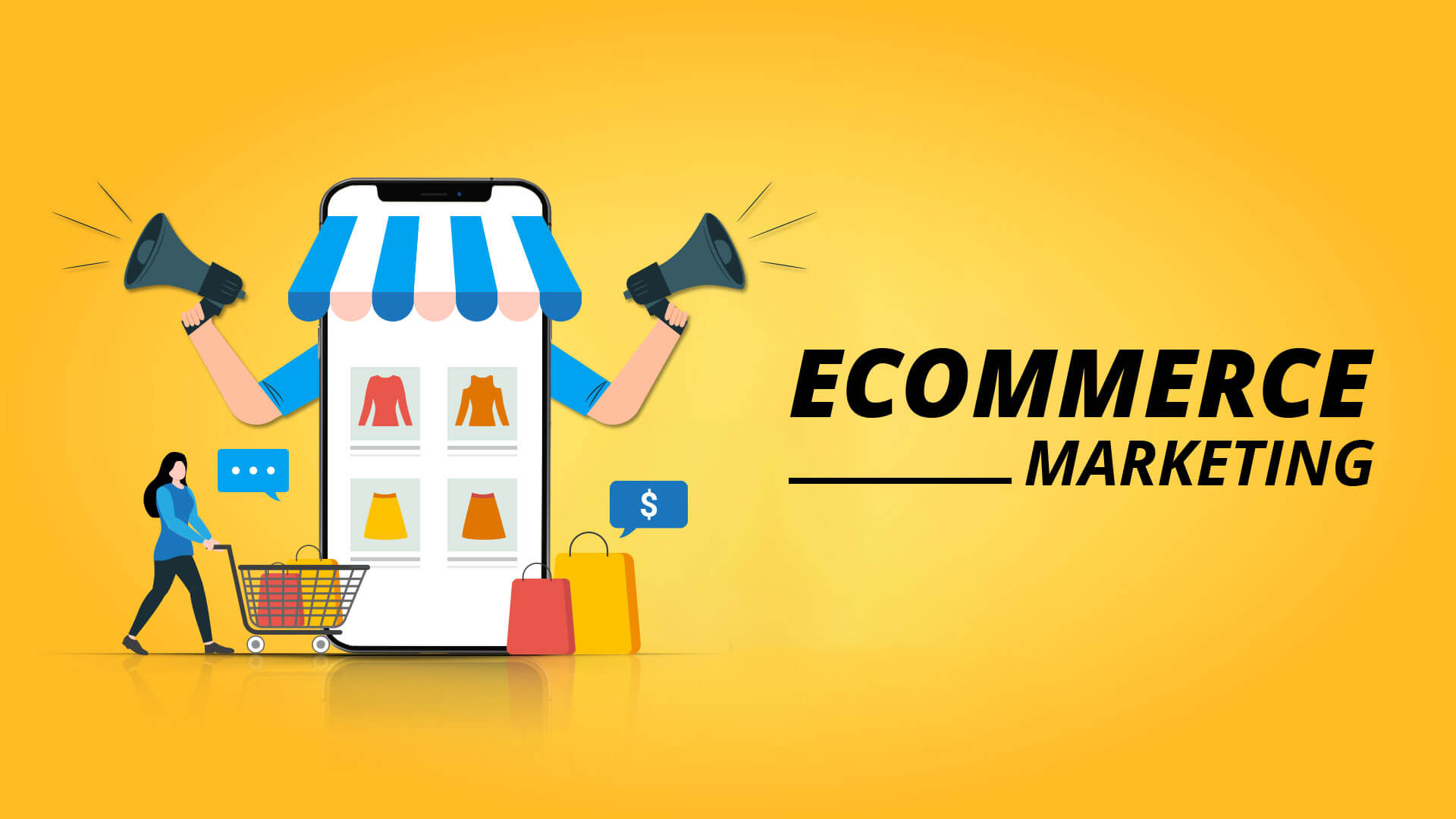
Ecommerce marketing encompasses a range of tactics and techniques aimed at driving traffic, increasing conversions, and maximising revenue for online stores. From search engine optimisation (SEO) and pay-per-click (PPC) advertising to email marketing and social media campaigns, ecommerce marketers leverage various tools to attract and engage customers.
The Key Components of Successful Ecommerce Marketing
Optimised Website: A user-friendly website with intuitive navigation, fast loading times, and mobile responsiveness is essential for a positive customer experience.
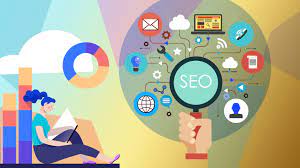
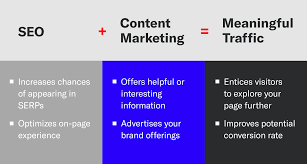
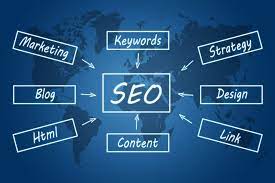
SEO Strategies: Implementing SEO best practices such as keyword research, on-page optimisation, and link building can improve your site’s visibility in search engine results pages.
Persuasive Content: Compelling product descriptions, engaging blog posts, and informative guides can help build trust with customers and drive conversions.
Social Media Engagement: Leveraging social platforms to connect with your audience, showcase products, run promotions, and gather feedback can boost brand awareness and loyalty.
Email Marketing Campaigns: Sending targeted emails with personalised offers, product recommendations, and exclusive discounts can nurture leads and encourage repeat purchases.
The Benefits of Ecommerce Marketing
– Increased Reach: Ecommerce allows businesses to reach customers across geographical boundaries without the limitations of physical stores.
– Data-Driven Insights: Digital analytics tools provide valuable data on customer behaviour, allowing businesses to make informed decisions about their marketing strategies.
– Cost-Effective Advertising: Compared to traditional advertising methods, digital marketing channels offer cost-effective options for reaching a targeted audience.
– Improved Customer Relationships: Through personalised communication and tailored offers, ecommerce marketers can foster strong relationships with customers that lead to long-term loyalty.
In Conclusion
Ecommerce marketing is an essential component of any successful online business strategy. By leveraging the power of digital channels and employing targeted tactics that resonate with your audience, you can drive traffic, increase conversions, and ultimately achieve success in the competitive world of ecommerce.
Essential FAQs on Enhancing Your Ecommerce Marketing Strategy
- What is ecommerce marketing and why is it important?
- How can I improve the visibility of my ecommerce website through marketing strategies?
- What are the key components of a successful ecommerce marketing campaign?
- How do SEO techniques impact the success of an ecommerce business?
- What role does social media play in ecommerce marketing?
- How can email marketing benefit an ecommerce business?
- What are some effective ways to drive traffic to an ecommerce website?
- How can I measure the effectiveness of my ecommerce marketing efforts?
- What trends should I be aware of in the field of ecommerce marketing?
What is ecommerce marketing and why is it important?
Ecommerce marketing refers to the strategies and techniques employed by businesses to promote and sell their products or services online. It encompasses a wide range of activities, including search engine optimisation, social media marketing, email campaigns, and online advertising. Ecommerce marketing is crucial for businesses operating in the digital age as it allows them to reach a global audience, drive traffic to their online stores, increase brand visibility, and ultimately boost sales. By implementing effective ecommerce marketing strategies, businesses can stay competitive in the ever-evolving online marketplace and establish a strong online presence that resonates with their target customers.
How can I improve the visibility of my ecommerce website through marketing strategies?
To enhance the visibility of your ecommerce website through effective marketing strategies, it is crucial to focus on several key tactics. Firstly, implementing search engine optimisation (SEO) techniques is essential to improve your website’s ranking in search engine results pages. Conducting keyword research, creating high-quality content, and building backlinks can significantly boost your site’s visibility. Additionally, leveraging social media platforms to engage with your target audience, showcase products, and run targeted advertising campaigns can help increase brand awareness and drive traffic to your site. Utilising email marketing to communicate with customers, promote special offers, and encourage repeat purchases is another valuable strategy to enhance visibility and drive conversions for your ecommerce business.
What are the key components of a successful ecommerce marketing campaign?
When it comes to crafting a successful ecommerce marketing campaign, several key components play a crucial role in driving results. Firstly, having an optimised website that offers a seamless user experience is essential. Incorporating SEO strategies to improve search engine visibility, creating persuasive content that resonates with the target audience, engaging customers through social media platforms, and implementing effective email marketing campaigns are all vital components of a successful ecommerce marketing strategy. By integrating these elements cohesively, businesses can enhance brand visibility, attract and retain customers, and ultimately drive conversions and revenue in the competitive online marketplace.
How do SEO techniques impact the success of an ecommerce business?
SEO techniques play a crucial role in determining the success of an ecommerce business. By implementing effective SEO strategies such as keyword optimisation, meta tags, and quality content, an ecommerce website can improve its visibility in search engine results pages. This increased visibility not only drives organic traffic to the site but also enhances the chances of attracting relevant and high-intent customers. Furthermore, SEO helps ecommerce businesses build credibility and trust with both search engines and potential customers, ultimately leading to higher rankings, increased conversions, and sustained growth in a competitive online marketplace.
What role does social media play in ecommerce marketing?
Social media plays a pivotal role in ecommerce marketing by serving as a powerful platform for engaging with customers, building brand awareness, and driving sales. Through targeted social media campaigns, businesses can reach their target audience, showcase products or services, and encourage interaction and feedback. Platforms like Facebook, Instagram, Twitter, and LinkedIn offer opportunities to create compelling content, run promotions, and leverage user-generated content to enhance credibility and trust. By fostering a sense of community and providing a direct channel for communication, social media enables ecommerce businesses to establish meaningful relationships with customers and ultimately boost conversions and revenue.
How can email marketing benefit an ecommerce business?
Email marketing can be a game-changer for ecommerce businesses, offering a direct and personalised way to engage with customers and drive sales. By sending targeted emails with product recommendations, exclusive offers, and relevant content, ecommerce businesses can nurture leads, encourage repeat purchases, and build long-term relationships with customers. Email marketing also provides valuable insights into customer preferences and behaviour, allowing businesses to tailor their marketing strategies for maximum impact. Ultimately, email marketing can help ecommerce businesses increase brand awareness, boost conversions, and drive revenue in a cost-effective manner.
What are some effective ways to drive traffic to an ecommerce website?
When it comes to boosting traffic to an ecommerce website, there are several effective strategies that can make a significant impact. Firstly, investing in search engine optimisation (SEO) is crucial to improve visibility in search engine results and attract organic traffic. Running targeted pay-per-click (PPC) advertising campaigns can also drive relevant traffic to the site by targeting specific keywords and demographics. Utilising social media platforms to engage with your audience, showcase products, and run promotions can help increase brand awareness and drive traffic. Additionally, leveraging email marketing campaigns with personalised offers and compelling content can nurture leads and encourage repeat visits to the ecommerce website. By combining these tactics strategically, businesses can effectively drive traffic and maximise their online presence in the competitive ecommerce landscape.
How can I measure the effectiveness of my ecommerce marketing efforts?
To measure the effectiveness of your ecommerce marketing efforts, it is crucial to track key performance indicators (KPIs) that align with your business goals. Metrics such as conversion rate, website traffic, average order value, customer acquisition cost, and return on investment (ROI) can provide valuable insights into the success of your marketing campaigns. Utilising analytics tools to monitor these KPIs allows you to identify areas of strength and weakness, make data-driven decisions, and optimise your strategies for improved results. By regularly evaluating and adjusting your metrics based on performance data, you can ensure that your ecommerce marketing efforts are driving tangible outcomes and contributing to the growth of your online business.
What trends should I be aware of in the field of ecommerce marketing?
In the rapidly evolving field of ecommerce marketing, staying abreast of the latest trends is crucial for maintaining a competitive edge. One significant trend is the rise of personalised shopping experiences, where businesses utilise data analytics and artificial intelligence to tailor product recommendations and marketing messages to individual customers. Additionally, social commerce continues to grow, with platforms like Instagram and TikTok integrating shopping features that allow users to purchase products directly through social media. The increasing importance of mobile commerce cannot be overlooked either, as more consumers use smartphones for online shopping, necessitating mobile-optimised websites and apps. Moreover, sustainability has become a key consideration for many consumers, prompting ecommerce businesses to adopt eco-friendly practices and highlight their commitment to sustainability in marketing efforts. Lastly, the use of augmented reality (AR) is gaining traction, offering customers immersive experiences by allowing them to visualise products in their own space before purchasing. Keeping an eye on these trends can help businesses innovate and connect more effectively with their audience.