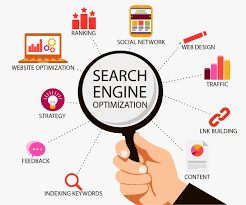
Good Search Engine Optimisation: A Practical Guide
Good search engine optimisation (SEO) helps people find useful, relevant content through search engines. It is not about tricking algorithms or chasing quick wins. It is about making a website easy to understand, trustworthy and genuinely helpful to its audience.
SEO takes time, and results are rarely instant. But a consistent approach to content, technical performance and user experience can help a website earn more visibility and attract visitors who are looking for what it offers.
Start with your audience
Effective SEO begins with understanding the people you want to reach. Consider what they need, what questions they ask and the language they use when searching online. Keyword research can reveal these patterns, but keywords should inform your content rather than dictate every sentence.
Focus on the purpose behind a search. Someone looking for “how to choose a bicycle” may need a clear buying guide, while someone searching for a particular model may want specifications, reviews or a place to buy it. Content that matches this intent is more likely to be useful.
Create useful, original content
Strong content answers a real question or helps readers complete a task. It should be accurate, clear and appropriate for its audience. Provide enough detail to cover the subject properly, but avoid adding words simply to make a page longer.
Before publishing, check that the page:
- Has a clear purpose and is written for a defined audience.
- Offers information, insight or practical value.
- Uses a descriptive title and a clear main heading.
- Is easy to scan, with short paragraphs and helpful subheadings.
- Is accurate and kept up to date where necessary.
Originality matters. Rewriting existing pages without adding anything useful is unlikely to serve readers well. Where appropriate, draw on first-hand experience, reliable sources and your organisation’s specific expertise.
Use keywords naturally
Keywords are the words and phrases people enter into search engines. Include relevant terms in prominent places, such as the page title, main heading and introductory text, when they fit naturally. Related terms and clear explanations can also help readers and search engines understand the topic.
Avoid keyword stuffing: repeating the same phrase unnaturally or adding lists of search terms to a page. This makes content harder to read and does not create a good experience. Write for people first, then check that the page clearly reflects the subject it covers.
Make your website easy to navigate
A well-organised website helps visitors find information and helps search engines understand how pages relate to one another. Use a logical structure, descriptive navigation labels and clear links between related pages.
Link text should explain what someone can expect to find when they follow it. For example, “read our guide to choosing a boiler” is more informative than “click here”. Internal links can direct readers to useful supporting information, but only include them when they add value.
Pay attention to technical SEO
Technical SEO helps search engines access, interpret and index your website. It also supports a smoother experience for visitors. Important basics include:
- Ensuring important pages can be crawled and indexed.
- Using secure HTTPS connections.
- Making pages work well on mobile devices.
- Improving loading speed and avoiding disruptive page elements.
- Providing descriptive page titles and meta descriptions.
- Using a sitemap and sensible URL structure where appropriate.
- Fixing broken links and redirecting pages that have moved.
Technical improvements should be prioritised according to their impact. A clear, accessible website with useful content is generally a better investment than adding complex features that do not help visitors.
Build trust and credibility
People are more likely to rely on a website when it is transparent about who is behind it and where its information comes from. Include clear contact details, information about your organisation and relevant author or expert credentials. Cite reliable sources when making claims that benefit from evidence.
Links from other reputable websites can also help people discover your content and provide useful context about your site. These should be earned through worthwhile resources, strong service or genuine relationships—not bought or created through schemes designed to manipulate rankings.
Measure progress and keep improving
SEO is an ongoing process. Use analytics and search performance tools to understand how people find and use your website. Look beyond rankings: useful measures may include relevant organic visits, enquiries, sales, sign-ups or engagement with key pages.
Review pages regularly. Update information that has changed, improve sections that are unclear and remove or consolidate content that no longer serves a purpose. Make changes based on evidence and user needs rather than reacting to every fluctuation in search results.
A sustainable approach to SEO
Good SEO combines useful content, sound technical foundations, clear navigation and credibility. It takes patience, but it can help connect the right people with the right information over time.
Rather than looking for shortcuts, focus on making your website the best and clearest resource you can for its intended audience. That is the foundation of search optimisation that lasts.
5 Essential Tips for Effective Search Engine Optimisation
- Use clear, descriptive page titles.
- Write helpful content for your audience.
- Use relevant keywords naturally.
- Make pages fast and mobile-friendly.
- Earn links from trusted websites.
Use clear, descriptive page titles.
Use clear, descriptive page titles to help people and search engines understand what each page is about. Keep each title specific and concise, placing the main topic near the beginning where it reads naturally. Avoid vague titles, unnecessary repetition and keyword stuffing. A well-written title can make your page easier to recognise in search results and encourage the right visitors to click.
Write helpful content for your audience.
Write helpful content that meets your audience’s needs. Consider what they want to know, the questions they ask and the problems they are trying to solve, then provide clear, accurate and practical answers. Use relevant search terms naturally, but prioritise readability and genuine value over keyword repetition. Content that is useful to people is more likely to earn their trust and encourage them to return.
Use relevant keywords naturally.
Use relevant keywords naturally throughout your content to help readers and search engines understand what a page is about. Include the phrases people are likely to search for in places such as the title, headings and main text, but only where they fit. Avoid repeating keywords excessively or forcing them into awkward sentences; clear, useful writing should always come first.
Make pages fast and mobile-friendly.
Make sure your pages load quickly and work well on mobile devices. Visitors are more likely to stay when content appears promptly and is easy to read, navigate and use on a smaller screen. Compress images, reduce unnecessary scripts and test key pages on different devices and connection speeds. A fast, mobile-friendly experience helps people find what they need and supports your wider search engine optimisation efforts.
Earn links from trusted websites.
Earn links from trusted websites by creating useful, original content that other people genuinely want to reference. These links can help readers discover your site and signal that your pages may be valuable, but quality matters more than quantity. Build relationships with relevant organisations, contribute expert insights where appropriate and make your resources easy to share. Avoid buying links or taking part in schemes designed to manipulate search rankings, as these can damage your site’s credibility.