The Power of Search Engine Optimisation (SEO)
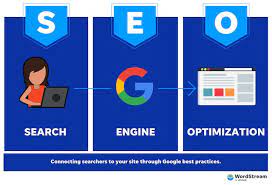
Search Engine Optimisation, commonly known as SEO, is a fundamental aspect of digital marketing that plays a crucial role in enhancing online visibility and driving organic traffic to websites. In today’s highly competitive online landscape, mastering the art of SEO is essential for businesses looking to stand out and attract potential customers.
Understanding SEO
At its core, SEO involves optimising various elements of a website to improve its ranking on search engine results pages (SERPs). By strategically incorporating relevant keywords, creating high-quality content, and enhancing user experience, businesses can increase their chances of appearing at the top of search results when users query specific terms.
The Benefits of SEO
Investing in SEO offers numerous benefits for businesses of all sizes. Firstly, it helps drive targeted traffic to websites, increasing the likelihood of converting visitors into customers. Additionally, a strong SEO strategy can boost brand credibility and trustworthiness, as websites that rank higher on search engines are often perceived as more authoritative.
Key Elements of Effective SEO
Effective SEO encompasses various elements that work together to improve a website’s visibility and ranking. These include:
- Keyword Research: Identifying relevant keywords that align with your business and target audience.
- On-Page Optimisation: Optimising meta tags, headings, and content to make them search engine-friendly.
- Quality Content: Creating engaging and informative content that resonates with users and encourages them to stay on your site.
- Link Building: Acquiring high-quality backlinks from reputable websites to boost your site’s authority.
- User Experience: Ensuring that your website is easy to navigate and provides a seamless user experience across devices.
The Future of SEO
In an ever-evolving digital landscape, staying ahead of the curve in terms of SEO is essential for maintaining a competitive edge. With advancements in technology and changes in search engine algorithms, businesses must adapt their strategies to meet evolving trends and consumer behaviours. Embracing emerging technologies such as voice search optimisation and mobile-first indexing will be key factors in shaping the future of SEO.
In Conclusion
SEO remains a powerful tool for businesses looking to enhance their online presence and connect with their target audience. By implementing effective SEO strategies that focus on relevance, quality, and user experience, businesses can position themselves for success in the digital realm. As the digital landscape continues to evolve, mastering the art of SEO will be essential for achieving sustainable growth and visibility online.
Eight Key Advantages of SEO: Boosting Visibility, Credibility, and Long-Term Success
- Increases online visibility
- Drives targeted traffic to websites
- Enhances brand credibility and trustworthiness
- Cost-effective compared to paid advertising
- Improves user experience on websites
- Boosts website ranking on search engine results pages (SERPs)
- Helps businesses reach their target audience effectively
- Provides long-term sustainable results
Five Challenges of Search Engine Optimisation: Navigating Time, Competition, and Uncertainty
- 1. Time-Consuming
- 2. Competitive Landscape
- 3. Algorithm Updates
- 4. Initial Investment
- 5. Uncertain Results
Increases online visibility
One of the key advantages of Search Engine Optimisation (SEO) is its ability to significantly enhance online visibility for businesses. By strategically optimising website content and structure, SEO helps improve a site’s ranking on search engine results pages, making it more likely to be discovered by potential customers. Increased online visibility not only drives organic traffic to the website but also boosts brand awareness and credibility, ultimately leading to higher conversion rates and business growth.
Drives targeted traffic to websites
One of the key advantages of Search Engine Optimisation (SEO) is its ability to drive targeted traffic to websites. By strategically optimising websites for relevant keywords and creating high-quality content, SEO helps businesses attract users who are actively searching for products or services related to their offerings. This targeted traffic not only increases the chances of converting visitors into customers but also enhances overall engagement and leads to a more valuable online audience.
Enhances brand credibility and trustworthiness
One of the key advantages of Search Engine Optimisation (SEO) is its ability to enhance brand credibility and trustworthiness. By consistently appearing at the top of search engine results pages, businesses can establish themselves as authoritative sources within their industry. This increased visibility not only boosts brand recognition but also instils confidence in potential customers, who are more likely to trust and engage with brands that rank highly on search engines. Ultimately, by prioritising SEO strategies that focus on credibility and trustworthiness, businesses can build a strong online reputation that resonates with their target audience.
Cost-effective compared to paid advertising
One significant advantage of Search Engine Optimisation (SEO) is its cost-effectiveness when compared to paid advertising. While paid advertising can quickly generate traffic to a website, it often requires a significant financial investment that may not be sustainable in the long run. On the other hand, SEO focuses on organic search results, meaning that once a website is optimised effectively, it can continue to attract relevant traffic over time without ongoing ad spend. This makes SEO a cost-efficient strategy for businesses looking to increase their online visibility and drive sustainable traffic to their websites without constantly draining their marketing budget.
Improves user experience on websites
One significant advantage of Search Engine Optimisation (SEO) is its ability to enhance user experience on websites. By implementing SEO best practices such as improving site speed, creating relevant and engaging content, and ensuring easy navigation, businesses can provide visitors with a seamless and enjoyable browsing experience. A well-optimised website that is user-friendly not only attracts more traffic but also keeps users engaged, leading to higher conversion rates and improved customer satisfaction. Ultimately, prioritising user experience through SEO can positively impact a website’s performance and contribute to long-term success in the digital landscape.
Boosts website ranking on search engine results pages (SERPs)
By implementing effective Search Engine Optimisation (SEO) strategies, businesses can significantly boost their website ranking on search engine results pages (SERPs). By optimising key elements such as relevant keywords, high-quality content, and user experience, websites can climb higher in search engine rankings, increasing visibility to potential customers. A strong SEO approach not only enhances a website’s visibility but also establishes credibility and trustworthiness, ultimately driving organic traffic and improving overall online presence.
Helps businesses reach their target audience effectively
Search Engine Optimisation (SEO) plays a vital role in helping businesses effectively reach their target audience. By strategically optimising their online presence, businesses can ensure that their products or services are visible to the right people at the right time. Through targeted keyword research, quality content creation, and user-friendly website design, SEO enables businesses to connect with their desired audience in a meaningful way, ultimately driving organic traffic and increasing the likelihood of converting visitors into loyal customers.
Provides long-term sustainable results
One significant advantage of Search Engine Optimisation (SEO) is its ability to deliver long-term sustainable results for businesses. By implementing effective SEO strategies that focus on quality content, relevant keywords, and user experience, websites can gradually climb the search engine rankings and maintain their position over time. Unlike short-term marketing tactics, SEO builds a strong foundation that continues to drive organic traffic and visibility for businesses in the long run, ultimately leading to sustained growth and success online.
1. Time-Consuming
One notable drawback of Search Engine Optimisation (SEO) is its time-consuming nature. Achieving tangible results through SEO demands continuous dedication and effort, as the process of optimising a website for search engines is a long-term commitment. From conducting keyword research to creating high-quality content and building backlinks, each aspect of SEO requires meticulous attention and consistent refinement over time. Businesses must be prepared to invest significant resources and patience into their SEO strategies to see substantial improvements in their online visibility and search engine rankings.
2. Competitive Landscape
In the realm of Search Engine Optimisation (SEO), one notable con lies in the fiercely competitive landscape that businesses must navigate. With a multitude of companies striving to secure top positions on search engine results pages, the competition within SEO can be intense and challenging. Standing out amidst the sea of contenders requires strategic planning, continuous effort, and a deep understanding of ever-changing algorithms to gain a competitive edge in the digital arena.
3. Algorithm Updates
One significant drawback of Search Engine Optimisation (SEO) is the challenge posed by algorithm updates. Search engine algorithms undergo frequent changes, necessitating the continuous adaptation of SEO strategies to ensure their effectiveness. These updates can disrupt existing SEO tactics and require businesses to stay abreast of the latest algorithm changes to avoid a decline in search engine rankings. The dynamic nature of algorithm updates adds a layer of complexity to SEO efforts, demanding ongoing monitoring and adjustment to keep pace with evolving search engine requirements.
4. Initial Investment
One significant drawback of search engine optimisation (SEO) is the initial investment it demands. Developing and executing a robust SEO strategy often entails upfront expenses for acquiring essential tools, resources, and expertise. Businesses may need to allocate a budget towards investing in SEO tools, hiring skilled professionals, and accessing relevant resources to kickstart their SEO efforts. This financial commitment can pose a challenge for some businesses, especially smaller enterprises with limited resources, making it crucial to carefully weigh the costs against the potential long-term benefits of implementing an effective SEO strategy.
5. Uncertain Results
In the realm of Search Engine Optimisation (SEO), one significant drawback is the uncertainty surrounding results. Despite businesses investing time and resources into optimising their websites, there is no assurance of immediate or consistent success. External factors such as changes in search engine algorithms, competitive landscape shifts, and evolving user behaviours can all impact the effectiveness of SEO strategies, leading to unpredictable outcomes. This unpredictability underscores the need for businesses to adopt a flexible and adaptive approach to SEO, understanding that results may fluctuate over time due to external influences beyond their control.