The Power of Global SEO: Expanding Your Reach Across Borders
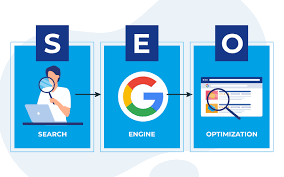
Search Engine Optimization (SEO) has become an indispensable tool for businesses looking to enhance their online visibility and attract more customers. While traditional SEO focuses on improving a website’s ranking in local search results, global SEO takes it a step further by targeting international audiences and expanding reach across borders.
In today’s interconnected world, the internet knows no boundaries. With billions of users accessing the web from every corner of the globe, tapping into international markets through global SEO has become essential for businesses seeking to grow their brand presence and increase revenue streams.
Understanding Global SEO
Global SEO involves optimising a website’s content, structure, and meta-data to make it more visible and relevant to users in different countries and regions. This includes not only translating content into multiple languages but also considering cultural nuances, local search trends, and regional preferences.
By implementing global SEO strategies, businesses can improve their chances of appearing in search results when users from various countries search for relevant products or services. This can lead to increased website traffic, higher conversion rates, and ultimately, greater business success on a global scale.
The Benefits of Global SEO
Expanding your SEO efforts globally offers numerous benefits for your business:
- Increased Reach: By targeting international markets, you can reach a broader audience and tap into new customer segments that may be interested in your offerings.
- Enhanced Brand Visibility: Appearing in search results across different countries can boost brand awareness and credibility on a global level.
- Improved Conversion Rates: By tailoring your content to local audiences, you can provide a more personalised experience that resonates with potential customers.
- Competitive Advantage: Investing in global SEO can give you an edge over competitors who are solely focused on local markets.
Key Strategies for Global SEO Success
To succeed in the realm of global SEO, businesses should consider the following key strategies:
- Keyword Research: Identify relevant keywords in different languages and regions to optimise your content for international search queries.
- Multilingual Content: Create high-quality content in multiple languages to cater to diverse audiences effectively.
- Hreflang Tags: Implement hreflang tags to indicate language and regional targeting on your website.
- Cultural Adaptation: Tailor your messaging and imagery to resonate with local cultures and customs.
- Localised Link Building: Build links from reputable sites in target countries to improve your website’s authority and visibility internationally.
In Conclusion
In today’s competitive digital landscape, embracing global SEO is no longer optional but imperative for businesses looking to thrive on a worldwide scale. By expanding your reach across borders through targeted strategies and thoughtful implementation, you can unlock new opportunities for growth and success in the ever-evolving world of online marketing.
If you’re ready to take your business to new heights internationally, consider harnessing the power of global SEO as a strategic tool for achieving your global ambitions!
Essential FAQs on Global SEO: Understanding, Importance, Challenges, Multilingual Optimisation, and Keyword Research Best Practices
- What is global SEO and how does it differ from local SEO?
- Why is global SEO important for businesses targeting international markets?
- What are the key challenges of implementing global SEO strategies?
- How can businesses ensure their website is optimised for multiple languages and regions?
- What are the best practices for conducting keyword research in different languages for global SEO?
What is global SEO and how does it differ from local SEO?
Global SEO refers to the practice of optimising a website to target an international audience, aiming to rank in search results across various countries and regions. It involves strategies such as multilingual content, hreflang tags, and cultural adaptation to cater to diverse audiences worldwide. In contrast, local SEO focuses on improving a website’s visibility in specific local areas or regions, targeting users searching for products or services within a particular geographic location. The key difference lies in the scope of targeting: global SEO aims to reach audiences on a global scale, while local SEO targets users within a defined localised area. Both forms of SEO are crucial for businesses looking to expand their online presence and attract relevant traffic from different parts of the world or within their immediate vicinity.
Why is global SEO important for businesses targeting international markets?
Global SEO plays a pivotal role for businesses aiming to target international markets due to its ability to significantly enhance online visibility and accessibility across borders. By implementing tailored global SEO strategies, businesses can effectively reach and engage with diverse audiences in different countries, thereby expanding their customer base and driving revenue growth on a global scale. Without prioritising global SEO, businesses may struggle to compete in international markets, missing out on valuable opportunities to establish brand presence, increase website traffic, and ultimately achieve sustainable success in the ever-evolving digital landscape.
What are the key challenges of implementing global SEO strategies?
Implementing global SEO strategies comes with its set of challenges that businesses need to navigate effectively. One key challenge is language barriers, as accurately translating content and keywords into multiple languages while maintaining cultural relevance can be complex. Another hurdle is understanding and adapting to diverse search trends and user behaviours across different regions, requiring in-depth market research and localisation efforts. Additionally, managing technical aspects such as hreflang tags, geotargeting, and international link building poses challenges in ensuring the website’s visibility and relevance in global search results. Overcoming these obstacles demands a strategic approach, continuous monitoring, and flexibility to address the dynamic nature of global SEO landscape effectively.
How can businesses ensure their website is optimised for multiple languages and regions?
Ensuring that a website is optimised for multiple languages and regions is crucial for businesses looking to succeed in global SEO. To achieve this, businesses can implement several key strategies. Firstly, conducting thorough keyword research in different languages and regions is essential to understand what users are searching for and tailor content accordingly. Creating high-quality, multilingual content that resonates with diverse audiences is also vital. Utilising hreflang tags to indicate language and regional targeting helps search engines understand the intended audience for each version of the website. Additionally, cultural adaptation, localised link building, and user-friendly design that supports multiple languages all play a significant role in ensuring a website’s optimisation for international audiences. By implementing these strategies thoughtfully and consistently, businesses can enhance their online visibility across borders and effectively engage with users from various linguistic and cultural backgrounds.
What are the best practices for conducting keyword research in different languages for global SEO?
When it comes to conducting keyword research in different languages for global SEO, following best practices is crucial for success. To effectively reach diverse international audiences, businesses should start by identifying relevant keywords specific to each target market. Utilising localised keyword tools and resources can help uncover popular search terms and phrases in various languages. Additionally, considering cultural nuances, regional preferences, and search trends is essential in crafting a comprehensive multilingual keyword strategy. By investing time and effort into thorough keyword research across languages, businesses can optimise their content for international search queries and enhance their visibility on a global scale.