The Importance of SEO Positioning in Digital Marketing
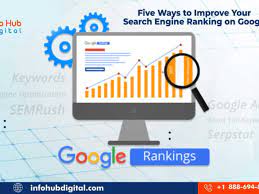
Search Engine Optimization (SEO) positioning is a crucial aspect of any digital marketing strategy. In today’s competitive online landscape, having a strong SEO positioning can make all the difference in driving organic traffic to your website and reaching your target audience effectively.
What is SEO Positioning?
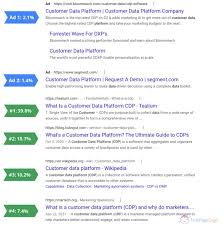
SEO positioning refers to the process of optimizing your website and its content to rank higher in search engine results pages (SERPs) for relevant keywords and phrases. By improving your website’s visibility and relevance to search engines like Google, you increase the chances of attracting quality organic traffic.
The Benefits of SEO Positioning
Effective SEO positioning offers numerous benefits for businesses, including:
- Increased Visibility: Higher rankings in SERPs lead to increased visibility and exposure for your brand.
- Enhanced Credibility: Websites that appear at the top of search results are often perceived as more trustworthy and credible by users.
- Higher Traffic: Improved SEO positioning can drive more organic traffic to your website, resulting in potential leads and conversions.
- Better User Experience: Optimizing your site for search engines often leads to a better user experience, which can boost engagement and retention.
- Cost-Effective Marketing: Compared to traditional advertising methods, SEO offers a cost-effective way to attract targeted traffic over the long term.
Tips for Improving Your SEO Positioning
To enhance your SEO positioning, consider implementing the following strategies:
- Keyword Research: Identify relevant keywords that align with your business and target audience.
- Optimized Content: Create high-quality, engaging content that incorporates targeted keywords naturally.
- On-Page Optimization: Optimise meta tags, headings, URLs, and images for better search engine visibility.
- Link Building: Build quality backlinks from reputable websites to improve your site’s authority and credibility.
- User Experience (UX): Ensure your website is user-friendly, mobile-responsive, and fast-loading for a positive user experience.
In conclusion, SEO positioning plays a vital role in digital marketing success. By investing time and resources into optimizing your website for search engines, you can drive organic traffic, increase brand visibility, and achieve long-term growth online. Stay informed about the latest SEO trends and best practices to stay ahead of the competition in the dynamic world of digital marketing.
9 Essential Tips for Enhancing Your Website’s SEO Positioning
- Create high-quality, relevant content for your website.
- Optimize your website’s meta tags, headings, and URLs with relevant keywords.
- Improve your website’s loading speed for better user experience and SEO ranking.
- Build backlinks from reputable websites to increase your site’s authority.
- Use descriptive anchor text when linking internally or externally.
- Optimize images on your website with descriptive filenames and alt text.
- Regularly update and maintain your website to keep content fresh and relevant.
- Utilize social media platforms to promote your content and attract more visitors.
- Monitor and analyze your SEO performance using tools like Google Analytics.
Create high-quality, relevant content for your website.
Creating high-quality, relevant content for your website is a fundamental tip for effective SEO positioning. By producing content that is valuable, informative, and tailored to your target audience’s needs and interests, you not only enhance user engagement but also improve your site’s visibility in search engine results. Search engines favour websites that offer valuable content to users, so investing in creating quality content can significantly boost your SEO efforts and help you attract organic traffic to your site. Remember, quality content is key to establishing credibility, authority, and trustworthiness in the online world.
Optimize your website’s meta tags, headings, and URLs with relevant keywords.
To enhance your SEO positioning, it is essential to optimise your website’s meta tags, headings, and URLs with relevant keywords. By incorporating targeted keywords into these elements, you can improve your site’s visibility in search engine results pages and attract more organic traffic. Meta tags provide search engines with information about your webpage, while headings structure your content for both users and search engines. Additionally, including keywords in URLs can help search engines better understand the context of your pages. Strategic keyword placement in these areas is a fundamental aspect of effective SEO positioning that can significantly impact your website’s ranking and online presence.
Improve your website’s loading speed for better user experience and SEO ranking.
Improving your website’s loading speed is a critical aspect of SEO positioning. A fast-loading website not only enhances user experience by providing visitors with quick access to content but also plays a significant role in boosting your site’s SEO ranking. Search engines like Google consider page speed as a ranking factor, prioritising websites that offer a seamless browsing experience. By optimising your website’s loading speed, you not only keep users engaged but also improve your chances of ranking higher in search results, ultimately driving more organic traffic to your site.
Build backlinks from reputable websites to increase your site’s authority.
Building backlinks from reputable websites is a fundamental strategy in SEO positioning. By securing links from trustworthy and authoritative sites, you can enhance your own site’s credibility and authority in the eyes of search engines. These backlinks act as a vote of confidence for your content, signalling to search engines that your website is a reliable source of information. This, in turn, can help improve your rankings in search results and drive more organic traffic to your site.
Use descriptive anchor text when linking internally or externally.
Using descriptive anchor text when linking internally or externally is a fundamental aspect of effective SEO positioning. By incorporating relevant keywords or phrases into your anchor text, you provide search engines with valuable context about the linked content. This not only helps improve the overall user experience by guiding visitors to relevant information but also signals to search engines the importance and relevance of the linked pages. Utilising descriptive anchor text can enhance the credibility and authority of your website while contributing to higher rankings in search engine results pages.
Optimize images on your website with descriptive filenames and alt text.
Optimising images on your website with descriptive filenames and alt text is a crucial aspect of SEO positioning. By using relevant keywords in image filenames and providing informative alt text, you not only improve the accessibility of your website for visually impaired users but also enhance its visibility to search engines. Descriptive filenames and alt text help search engines understand the content of your images, making them more likely to appear in relevant search results and driving additional organic traffic to your site.
Regularly update and maintain your website to keep content fresh and relevant.
To enhance your SEO positioning, it is essential to regularly update and maintain your website to ensure that your content remains fresh and relevant. Search engines favour websites that provide up-to-date and valuable information to users. By consistently adding new content, refreshing existing pages, and fixing any technical issues, you not only improve your site’s visibility but also engage visitors with timely and useful information. This proactive approach demonstrates to search engines that your website is active, trustworthy, and committed to delivering a positive user experience, ultimately boosting your SEO ranking.
Utilize social media platforms to promote your content and attract more visitors.
Utilising social media platforms to promote your content is a powerful strategy to enhance your SEO positioning. By sharing your website’s content on platforms such as Facebook, Twitter, Instagram, and LinkedIn, you can increase visibility, drive traffic, and attract more visitors to your site. Engaging with your audience through social media not only expands your reach but also signals search engines that your content is relevant and valuable. Leveraging social media as part of your SEO positioning efforts can lead to improved brand awareness, increased website traffic, and ultimately, better search engine rankings.
Monitor and analyze your SEO performance using tools like Google Analytics.
To enhance your SEO positioning, it is essential to monitor and analyse your SEO performance regularly using tools such as Google Analytics. By tracking key metrics like website traffic, user behaviour, and keyword performance, you can gain valuable insights into the effectiveness of your SEO strategies. This data allows you to identify areas for improvement, adjust your tactics accordingly, and make informed decisions to optimise your website’s search engine visibility and overall digital marketing performance.