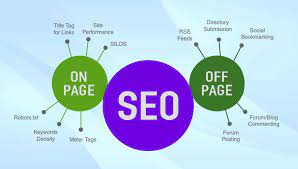
The Importance of On-Page Optimization in SEO
When it comes to search engine optimization (SEO), on-page optimization plays a crucial role in determining the visibility and ranking of your website on search engine results pages (SERPs). On-page optimization involves optimizing various elements on your website to make it more search engine-friendly and user-friendly. Let’s delve into the key aspects of on-page optimization and why it is essential for your SEO strategy.
Quality Content
Content is king in the world of SEO, and having high-quality, relevant content on your website is paramount for on-page optimization. Ensure that your content is well-written, informative, and engaging for your target audience. Incorporate relevant keywords naturally within your content to improve its visibility to search engines.
Title Tags and Meta Descriptions
Title tags are HTML elements that specify the title of a web page. They appear as the clickable headline in search engine results. Meta descriptions, on the other hand, provide a brief summary of the page’s content. Optimizing title tags and meta descriptions with relevant keywords can significantly impact click-through rates and overall SEO performance.
URL Structure
A clean and descriptive URL structure not only helps users navigate your website easily but also improves search engine crawlers’ understanding of your content. Include relevant keywords in your URLs to enhance their relevance and visibility in search results.
Heading Tags
Heading tags (H1, H2, H3, etc.) help organise your content hierarchically and improve readability for users and search engines alike. Use heading tags strategically to highlight important sections of your content and incorporate relevant keywords where appropriate.
Image Optimization
Images are an integral part of web content, but they can also impact page load times if not optimized correctly. Ensure that images are compressed for faster loading speeds and include descriptive alt text with relevant keywords to improve accessibility and SEO performance.
Internal Linking
Internal linking involves linking one page of your website to another within the same domain. This practice helps spread link equity throughout your site, improves navigation for users, and signals to search engines which pages are important on your website.
In conclusion, on-page optimization is a fundamental aspect of any successful SEO strategy. By paying attention to these key elements and implementing best practices, you can enhance the visibility, usability, and overall performance of your website in search engine rankings.
Essential FAQs on On-Page Optimisation: Understanding Key Concepts and Best Practices
- What is on-page optimization?
- Why is on-page optimization important for SEO?
- How does quality content contribute to on-page optimization?
- What are title tags and meta descriptions in on-page optimization?
- How does URL structure impact on-page optimization?
- Why are heading tags essential for on-page optimization?
- What is image optimization in the context of on-page SEO?
- Why is internal linking important for on-page optimization?
- What are some best practices for effective on-page optimization?
What is on-page optimization?
On-page optimization refers to the process of optimising various elements on a website to enhance its visibility and ranking on search engine results pages (SERPs). It involves strategically improving content quality, meta tags, URL structure, heading tags, image optimization, and internal linking to make the website more search engine-friendly and user-friendly. By focusing on on-page optimization, website owners can effectively communicate the relevance of their content to search engines and provide a better user experience for visitors.
Why is on-page optimization important for SEO?
On-page optimization is crucial for SEO because it directly impacts the visibility and ranking of a website on search engine results pages (SERPs). By optimising various on-page elements such as content, title tags, meta descriptions, URL structure, heading tags, images, and internal linking, website owners can make their site more search engine-friendly and user-friendly. Effective on-page optimization not only helps search engines understand the relevance of a website’s content but also enhances the overall user experience by providing valuable information in a structured and accessible manner. Ultimately, investing in on-page optimization is essential for improving organic search visibility, driving targeted traffic to the site, and ultimately achieving higher rankings in search engine results.
How does quality content contribute to on-page optimization?
Quality content is a cornerstone of on-page optimization as it plays a pivotal role in enhancing the visibility and relevance of a website to search engines. Search engines like Google value high-quality, informative content that meets the needs of users. By creating well-written, engaging content that incorporates relevant keywords naturally, website owners can attract more organic traffic and improve their search engine rankings. Quality content not only helps to establish authority and credibility within a specific niche but also encourages user engagement and interaction, leading to better overall user experience and increased chances of conversion. In essence, quality content is a key driver of on-page optimization success, helping websites stand out in the competitive online landscape.
What are title tags and meta descriptions in on-page optimization?
Title tags and meta descriptions are essential components of on-page optimization in SEO. Title tags serve as the clickable headline displayed in search engine results, conveying the primary topic of a web page. On the other hand, meta descriptions provide a brief summary of the page’s content, enticing users to click through to the website. Optimizing title tags and meta descriptions with relevant keywords not only improves the visibility and click-through rates of your pages but also helps search engines better understand and rank your content. Properly crafted title tags and meta descriptions can significantly impact the overall performance of your website in search engine results pages.
How does URL structure impact on-page optimization?
The URL structure plays a significant role in on-page optimization as it provides valuable information to both users and search engines about the content of a web page. A well-structured URL that includes relevant keywords can improve the visibility and ranking of a page in search engine results. Clear and descriptive URLs not only help users understand the content they are about to access but also assist search engine crawlers in indexing and ranking the page accurately. By incorporating targeted keywords in the URL, website owners can enhance the relevance of their pages, ultimately contributing to a more effective on-page optimization strategy.
Why are heading tags essential for on-page optimization?
Heading tags are essential for on-page optimization because they play a crucial role in structuring and organising content on a web page. By using heading tags such as H1, H2, and H3, website owners can signal to search engines the hierarchy and importance of different sections within their content. This not only improves the readability and user experience of the page but also helps search engines better understand the context and relevance of the content. Additionally, incorporating relevant keywords within heading tags can further enhance the SEO performance of a web page by signalling to search engines what the page is about and which topics are most significant.
What is image optimization in the context of on-page SEO?
Image optimization in the context of on-page SEO refers to the process of enhancing images on a website to improve search engine visibility and user experience. This involves compressing images to reduce file sizes for faster loading times, adding descriptive alt text with relevant keywords for search engines to understand the content of the image, and ensuring images are appropriately sized and formatted for different devices. By optimising images, websites can not only boost their SEO performance but also provide a more engaging and accessible experience for visitors.
Why is internal linking important for on-page optimization?
Internal linking is a critical component of on-page optimization as it plays a significant role in enhancing website navigation, user experience, and search engine visibility. By strategically linking relevant pages within your website, you can establish a logical hierarchy of content, guide users to related information, and distribute link equity across your site. Internal linking also helps search engine crawlers discover and index new pages more efficiently, ultimately improving the overall SEO performance of your website. Additionally, internal links can indicate to search engines the importance and relevance of specific pages on your site, influencing their ranking in search results.
What are some best practices for effective on-page optimization?
When it comes to effective on-page optimization, implementing best practices is essential for improving your website’s visibility and search engine rankings. Some key strategies include creating high-quality and relevant content that incorporates targeted keywords naturally, optimizing title tags and meta descriptions with relevant keywords, structuring URLs in a descriptive manner, using heading tags to organise content hierarchically, optimising images with descriptive alt text, and implementing internal linking to enhance navigation and spread link equity. By following these best practices, you can enhance the user experience, increase search engine visibility, and ultimately drive more organic traffic to your website.