The World of Web Development
Web development is a dynamic and ever-evolving field that plays a crucial role in shaping the digital landscape we interact with daily. From simple static web pages to complex web applications, web development encompasses a wide range of technologies and practices that empower businesses and individuals to establish their online presence.
The Basics of Web Development
At its core, web development involves the creation and maintenance of websites and web applications. It encompasses various disciplines, including front-end development, back-end development, and full-stack development.
Front-End Development
Front-end developers focus on the visual and interactive aspects of a website that users see and interact with. They use languages such as HTML, CSS, and JavaScript to create engaging user interfaces that deliver seamless user experiences across different devices.
Back-End Development
Back-end developers work behind the scenes to ensure the functionality and performance of websites or web applications. They are responsible for server-side logic, databases, and application integration to support the front-end components.
Full-Stack Development
A full-stack developer possesses skills in both front-end and back-end development. This versatile role allows individuals to work on all aspects of a project, from designing user interfaces to managing databases and server configurations.
The Tools of the Trade
Web developers rely on a variety of tools and technologies to bring their ideas to life. Frameworks like React, Angular, and Vue.js streamline front-end development tasks, while back-end frameworks such as Node.js, Django, or Ruby on Rails provide robust server-side solutions.
The Future of Web Development
As technology continues to advance at a rapid pace, the future of web development looks promising. Trends like progressive web apps (PWAs), artificial intelligence (AI) integration, and responsive design will shape the way we build websites and applications in the years to come.
Essential Web Development FAQs: Understanding Languages, Roles, Tools, and Trends
- What is web development?
- What are the key languages used in web development?
- What is the difference between front-end and back-end development?
- How do I become a web developer?
- What are the essential tools for web development?
- What is responsive web design and why is it important?
- How can I improve my website’s performance and speed?
- What are the current trends in web development?
What is web development?
Web development encompasses the creation, design, and maintenance of websites and web applications that are accessible via the internet. It involves a combination of front-end development, which focuses on the user interface and user experience, and back-end development, which deals with server-side logic and database management. Web developers use a variety of programming languages, frameworks, and tools to bring websites to life, ensuring they are functional, visually appealing, and responsive across different devices. In essence, web development is the art of building digital solutions that enable businesses and individuals to establish their online presence and interact with users worldwide.
What are the key languages used in web development?
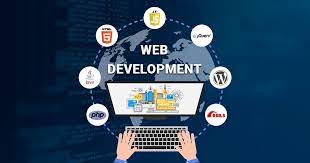
In the realm of web development, a frequently asked question revolves around the key languages that underpin the creation of websites and web applications. HTML (HyperText Markup Language) serves as the foundation for structuring web content, while CSS (Cascading Style Sheets) is essential for styling and designing the visual elements of a website. JavaScript, a versatile scripting language, adds interactivity and dynamic functionality to web pages. These three core languages – HTML, CSS, and JavaScript – form the backbone of modern web development, empowering developers to craft engaging and responsive online experiences for users across various platforms.
What is the difference between front-end and back-end development?
In the realm of web development, a common query revolves around the distinction between front-end and back-end development. Front-end development primarily focuses on the visual aspects of a website that users interact with, encompassing elements like layout, design, and user experience. On the other hand, back-end development deals with the behind-the-scenes functionality of a website, including server-side logic, databases, and application integration. While front-end developers use languages like HTML, CSS, and JavaScript to create engaging user interfaces, back-end developers work on ensuring the seamless operation and performance of websites or web applications. Understanding this fundamental difference is essential for aspiring web developers looking to navigate the diverse landscape of digital creation effectively.
How do I become a web developer?
Becoming a web developer is an exciting journey that requires dedication, continuous learning, and practical experience. To kickstart your career in web development, it’s essential to build a strong foundation in programming languages such as HTML, CSS, and JavaScript. Enrolling in online courses, attending coding bootcamps, or pursuing a degree in computer science can provide you with the necessary skills and knowledge. Additionally, creating your own projects, contributing to open-source initiatives, and seeking internships or freelance opportunities can help you gain hands-on experience and showcase your abilities to potential employers. Networking with other developers and staying updated on industry trends will also play a crucial role in your growth as a web developer. Remember, perseverance and a passion for problem-solving are key attributes that will propel you towards success in this dynamic field.
What are the essential tools for web development?
When it comes to web development, having the right tools at your disposal can make a significant difference in your workflow and the quality of your projects. Some essential tools for web development include code editors like Visual Studio Code or Sublime Text for writing and editing code efficiently. Version control systems such as Git help manage project versions and collaborate with team members seamlessly. Browser developer tools like Chrome DevTools are invaluable for debugging and testing websites across different browsers. Task runners like Gulp or Grunt automate repetitive tasks, while package managers like npm or Yarn simplify the process of installing and managing project dependencies. These tools, among others, play a crucial role in enhancing productivity and ensuring the success of web development projects.
What is responsive web design and why is it important?
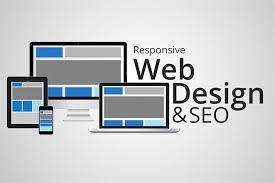
Responsive web design is a fundamental concept in modern web development that ensures websites adapt and display optimally across various devices and screen sizes. It involves designing and coding websites in a way that allows content to adjust dynamically, providing an optimal viewing experience for users on desktops, laptops, tablets, and smartphones. Responsive design is essential because it enhances user experience, improves accessibility, boosts SEO performance, and increases the reach of a website to a wider audience. By embracing responsive web design principles, developers can create versatile and user-friendly websites that cater to the diverse browsing habits of today’s digital users.
How can I improve my website’s performance and speed?
Improving a website’s performance and speed is a common concern among website owners and developers. Several key strategies can be employed to enhance the speed and efficiency of a website. Optimising images by compressing them without compromising quality, minifying CSS and JavaScript files to reduce load times, leveraging browser caching to store static resources locally, and utilising Content Delivery Networks (CDNs) to distribute content across multiple servers are effective methods to boost website performance. Additionally, implementing efficient coding practices, such as reducing HTTP requests and prioritising critical content loading, can significantly enhance the overall speed and user experience of a website.
What are the current trends in web development?
In the realm of web development, a frequently asked question revolves around the current trends shaping the industry. As technology advances at a rapid pace, several key trends are influencing the way websites and web applications are designed and built. From the rise of progressive web apps (PWAs) that offer enhanced user experiences to the integration of artificial intelligence (AI) for personalised interactions, staying abreast of these trends is essential for developers looking to create innovative and cutting-edge digital solutions. Additionally, responsive design continues to be a fundamental trend, ensuring that websites adapt seamlessly to various devices and screen sizes, providing users with a consistent experience across platforms. By embracing these current trends in web development, developers can craft engaging and user-centric digital experiences that meet the evolving needs of today’s online audience.