SEO and SEA: Understanding the Differences
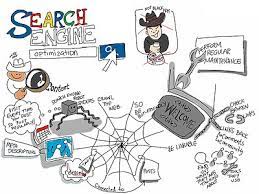
Search Engine Optimization (SEO) and Search Engine Advertising (SEA) are two essential components of digital marketing strategies aimed at improving a website’s visibility on search engine results pages. While both share the common goal of driving traffic to a website, they differ in their approaches and implementation.
SEO: Enhancing Organic Visibility
SEO focuses on optimizing a website’s content, structure, and back-end elements to improve its organic ranking on search engines like Google, Bing, and Yahoo. By targeting relevant keywords, creating high-quality content, and building authoritative backlinks, SEO aims to increase a website’s visibility in unpaid search results.
Key elements of SEO include on-page optimization (such as meta tags, headings, and keyword placement), off-page optimization (link building and social signals), and technical SEO (site speed, mobile-friendliness, and schema markup). A well-executed SEO strategy can lead to long-term sustainable traffic growth.
SEA: Driving Immediate Results through Paid Advertising
SEA involves paying for advertisements to appear at the top of search engine results pages. These ads are typically marked as “sponsored” or “ad” and are triggered by specific keywords or user demographics. Platforms like Google Ads allow advertisers to create targeted campaigns based on budget, audience segmentation, and ad copy.
With SEA, businesses can achieve immediate visibility for selected keywords without waiting for organic rankings to improve. Advertisers pay per click (PPC) or per impression (CPM), making SEA a cost-effective way to reach potential customers quickly. However, the effectiveness of SEA campaigns depends on factors such as keyword selection, ad relevance, and landing page quality.
The Synergy between SEO and SEA
While SEO and SEA serve distinct purposes in digital marketing, they can complement each other when used together strategically. By combining organic search efforts with paid advertising campaigns, businesses can maximise their online visibility across different stages of the customer journey.
An integrated approach that leverages both SEO and SEA allows businesses to capture immediate traffic through paid ads while working towards long-term organic growth. By analysing data from both channels and adjusting strategies accordingly, businesses can achieve a holistic digital marketing strategy that drives sustainable results.
In Conclusion
SEO and SEA are vital tools in the digital marketer’s arsenal for improving online visibility and driving targeted traffic to websites. Understanding the differences between these two strategies is crucial for developing comprehensive digital marketing campaigns that deliver results in today’s competitive online landscape.
Top 5 Tips for Mastering SEO and SEA Strategies
SEO
Search Engine Optimization (SEO) is a fundamental aspect of digital marketing that focuses on improving a website’s organic visibility in search engine results. By strategically incorporating relevant keywords, creating high-quality content, and enhancing technical elements, SEO aims to boost a website’s ranking without the need for paid advertising. A well-executed SEO strategy can lead to sustainable traffic growth and increased online presence over time.
SEO
Search Engine Optimization (SEO) is a fundamental aspect of digital marketing that focuses on enhancing a website’s organic visibility in search engine results. By strategically optimizing content, meta tags, and back-end elements, SEO aims to improve a website’s ranking for relevant keywords. Implementing effective SEO practices can lead to increased organic traffic over time, making it an essential strategy for businesses looking to boost their online presence and attract quality leads.
SEO
Search Engine Optimization (SEO) is a fundamental aspect of digital marketing that focuses on enhancing a website’s visibility in organic search results. By strategically incorporating relevant keywords, creating high-quality content, and improving technical aspects like site structure and meta tags, SEO aims to boost a website’s ranking on search engine results pages. A well-executed SEO strategy not only drives organic traffic to a website but also establishes its authority and credibility in the online landscape.
SEA
Search Engine Advertising (SEA) is a powerful tool in digital marketing that allows businesses to achieve immediate visibility on search engine results pages through paid advertisements. By strategically targeting specific keywords and demographics, SEA enables businesses to reach their target audience quickly and drive relevant traffic to their websites. With pay-per-click (PPC) and pay-per-impression (CPM) models, SEA offers a cost-effective way to promote products or services online and generate leads efficiently. By leveraging SEA alongside other digital marketing strategies like SEO, businesses can create a well-rounded online presence that maximises visibility and engagement with potential customers.
SEA
Search Engine Advertising (SEA) is a powerful tool in digital marketing that allows businesses to achieve immediate visibility on search engine results pages through paid advertisements. By strategically targeting specific keywords and demographics, SEA campaigns can drive relevant traffic to websites and generate leads or sales efficiently. With the pay-per-click (PPC) model, advertisers have control over their budget and can track the performance of their ads in real-time, making SEA an effective way to reach potential customers at the right moment in their online search journey.