Digital Advertising Agencies: What They Do and How to Choose One
Digital advertising has become an important way for businesses to reach people online. From search engines and social media to websites and video platforms, there are many channels to consider—and each has its own formats, audiences and ways of measuring success. A digital advertising agency can help businesses plan, run and improve campaigns across these channels.
What is a digital advertising agency?
A digital advertising agency helps organisations promote their products or services through online media. Depending on its size and areas of expertise, an agency may handle everything from campaign strategy and creative production to media buying, reporting and optimisation.
Some agencies offer a broad range of services, while others specialise in particular channels, industries or types of campaign. For example, one agency may focus on paid search, while another may concentrate on social media advertising or online video.
Common digital advertising services
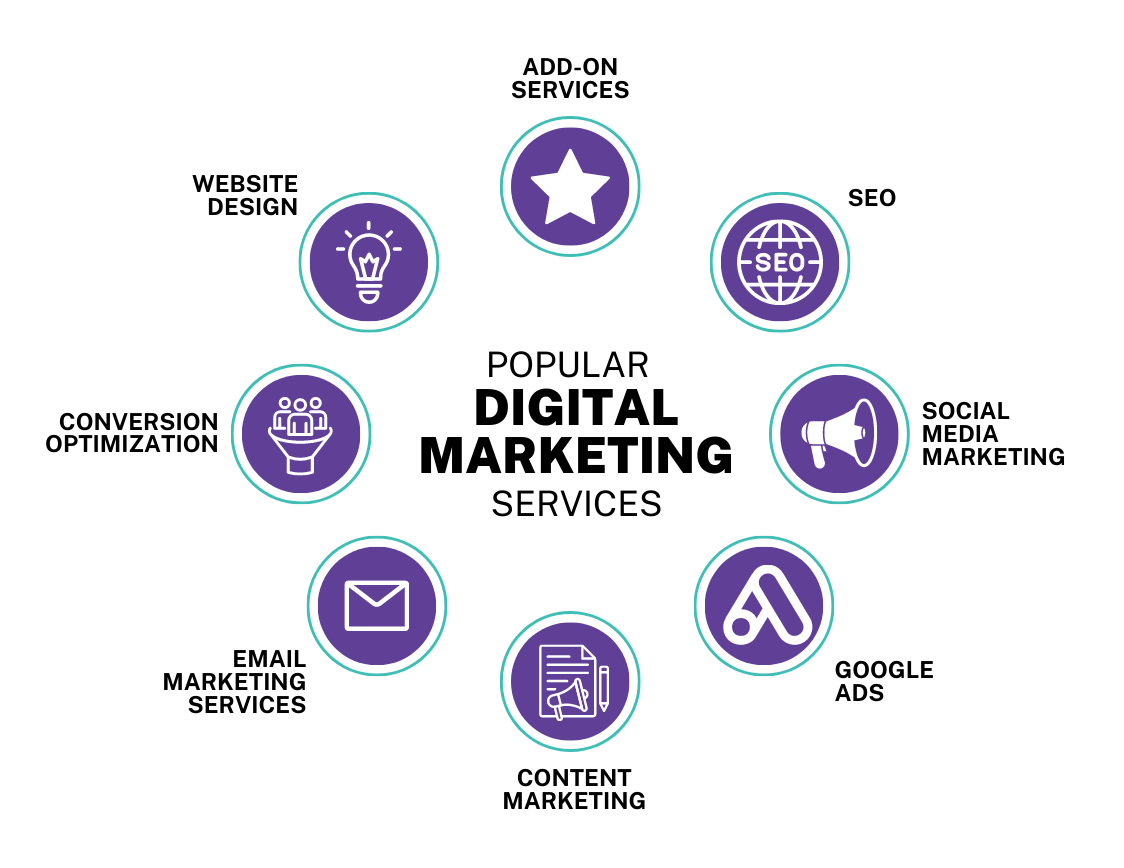
- Paid search: Creating and managing adverts that appear on search engine results pages.
- Paid social: Planning campaigns across social media platforms, using audience and interest-based targeting where appropriate.
- Display advertising: Placing visual adverts across websites and digital networks.
- Video advertising: Developing and placing video campaigns on streaming services, social platforms and other digital channels.
- Programmatic advertising: Using technology to automate the buying and placement of digital adverts.
- Creative and content production: Producing copy, graphics, landing pages and other campaign materials.
- Analytics and reporting: Tracking campaign activity and explaining how it relates to business objectives.
Services often work best when they are connected. For instance, an advert may attract a visitor, but a relevant landing page and a straightforward next step can help turn that visit into an enquiry or sale.
Why work with an agency?
Digital advertising platforms change frequently. Agencies may bring specialist knowledge of campaign set-up, audience research, creative testing and performance analysis. They can also give a business access to a team with different skills, without the need to recruit every role in-house.
An agency can be particularly useful when a business is entering a new market, launching a product, reviewing its existing advertising or managing campaigns across several channels. However, working with an agency does not remove the need for clear goals and regular communication. The best results depend on a productive partnership between the agency and the business.
How to choose the right agency
Before approaching agencies, consider what the business needs to achieve. Objectives might include increasing brand awareness, generating qualified leads, improving online sales or encouraging repeat purchases. Clear priorities help both sides decide which channels and measures are appropriate.
When comparing potential partners, consider the following:
- Relevant experience: Look for examples of work that relate to your objectives, audience or sector.
- Transparency: Ask how fees, media spend, account access and reporting are handled.
- Strategic thinking: A suitable agency should be able to explain why it recommends particular channels, rather than simply listing services.
- Measurement: Discuss how success will be assessed and how tracking will be set up.
- Communication: Agree who your main contact will be, how often you will meet and how decisions will be made.
- Working style: Check that the agency’s processes and pace suit your team.
It is also sensible to ask what happens when a campaign underperforms. Advertising results are not always predictable, so a good partner should be willing to explain the data, recommend adjustments and be open about what is and is not working.
Measuring campaign performance
The right measures depend on the campaign’s purpose. Awareness campaigns may be assessed using reach, impressions or video views. Lead-generation activity may focus on enquiries, cost per lead and lead quality. For online sales, businesses might monitor revenue, conversion rate and return on advertising spend.
Numbers need context. A high volume of clicks, for example, does not necessarily mean a campaign is contributing to business growth. Agencies and clients should agree on meaningful measures in advance, ensure tracking is accurate and review performance regularly.
Building a successful partnership
A digital advertising agency can provide expertise, fresh ideas and support with campaign management, but it needs useful input from the client too. Clear information about products, customers, budgets and business priorities helps shape more relevant campaigns. Prompt feedback and access to the right data can also make testing and optimisation more effective.
Ultimately, the right agency is not simply the one that promises the most. It is the partner that understands your objectives, communicates clearly and uses evidence to improve its work. With shared goals and a considered strategy, digital advertising can become a more focused part of a business’s wider marketing activity.
Exploring Digital Advertising Agencies: Top Companies, Types, and Industry Leaders
- What are the top 5 digital advertising companies in the world?
- What are the types of digital agencies?
- Which agency is best for digital marketing?
- What is a digital advertising company?
- Who are the Big 6 digital agencies?
- What are the top 5 advertising agencies in the world?
- Who is Nike’s digital agency?
- What are the 5 different ad agencies?
- Who is the best digital marketing agency?
What are the top 5 digital advertising companies in the world?
There is no single definitive ranking of the world’s top digital advertising companies, as “best” depends on a business’s needs, budget and target markets. However, major global groups often recognised for their digital advertising capabilities include WPP, Publicis Groupe, Omnicom, Dentsu and Havas. Each offers a broad mix of services, from creative campaigns and media planning to data, technology and digital strategy; businesses should compare relevant experience, specialist teams, fees and working style before choosing an agency.
What are the types of digital agencies?
Digital agencies come in several types, depending on the services they provide. Full-service digital agencies cover a broad range of needs, such as strategy, creative work, web design and advertising. Specialist agencies focus on particular areas, including paid search, social media, search engine optimisation, content marketing, web development or public relations. Some concentrate on a specific industry or platform, while others offer media planning and buying across multiple channels. The right type depends on your goals, in-house expertise and the support your business needs.
Which agency is best for digital marketing?
The best digital marketing agency is the one that understands your business, audience and goals, and can show how its approach will help you achieve them. Compare agencies’ relevant experience, services, communication style, fees and reporting, and ask for clear examples of results—not just broad promises. The right choice will depend on whether you need support with areas such as SEO, paid advertising, social media or content, so consider your priorities before making a decision.
What is a digital advertising company?
A digital advertising company helps businesses promote their products or services online. It may plan and manage campaigns across channels such as search engines, social media, websites and video platforms, as well as create adverts, choose target audiences and track results. The aim is to reach relevant people and support business goals, such as building awareness, generating enquiries or increasing sales.
Who are the Big 6 digital agencies?
There is no universally agreed list of the “Big 6” digital agencies, as the phrase is often used for the world’s largest advertising groups rather than digital-only agencies. Traditionally, it refers to WPP, Omnicom, Publicis Groupe, Interpublic Group, Dentsu and Havas. However, the industry continues to consolidate, so the list may vary depending on the source and how “digital agency” is defined.
What are the top 5 advertising agencies in the world?
There is no single definitive ranking of the world’s top advertising agencies, as “top” can mean largest by revenue, most creatively awarded or best suited to a particular business. Among the best-known global advertising groups are WPP, Omnicom, Publicis Groupe, Dentsu and Havas. Each operates a range of agencies and offers different strengths across creative work, media planning, digital advertising and marketing technology, so the right choice depends on a company’s goals, budget and target audience.
Who is Nike’s digital agency?
Nike does not have one publicly designated digital agency for all its work. Like many global brands, it works with a range of agencies and partners across different markets and services, including digital strategy, creative, media and technology. The agencies involved can change over time, so for the latest information, check Nike’s official announcements or recent industry news.
What are the 5 different ad agencies?
The five common types of advertising agency are full-service agencies, which manage a broad range of marketing and advertising activities; creative agencies, which focus on ideas, design and campaign production; media-buying agencies, which plan and purchase advertising space; digital agencies, which specialise in online channels such as search, social media and display advertising; and specialist agencies, which concentrate on a particular industry, audience or format, such as public relations, influencer marketing or outdoor advertising. The names and services can vary, and many agencies combine several of these roles.
Who is the best digital marketing agency?
There is no single “best” digital marketing agency for every business. The right choice depends on your goals, budget, industry and the services you need, such as paid search, social media advertising or campaign analytics. Compare agencies’ relevant experience, approach to measurement, transparency around fees and communication style, and ask how they would help you achieve your objectives. The best fit is a partner that understands your business and can explain its recommendations clearly.