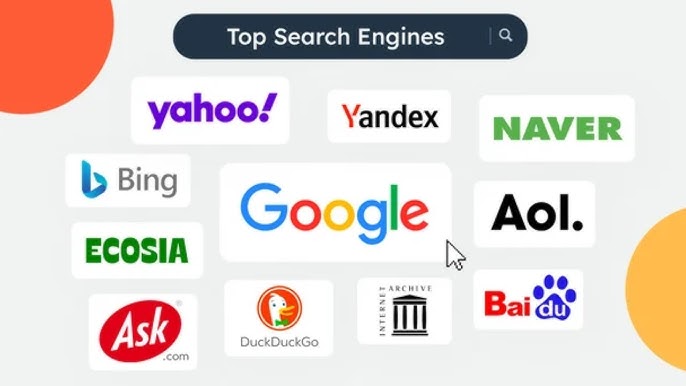
The Top Search Engines: Navigating the Digital Landscape
Search engines have become an integral part of our daily lives, serving as the gateway to a wealth of information available on the internet. From finding answers to our burning questions to discovering new products and services, search engines play a pivotal role in connecting users with relevant content. Let’s explore some of the top search engines that dominate the digital landscape:
Arguably the most popular search engine worldwide, Google has become synonymous with online search. Known for its powerful algorithms and user-friendly interface, Google processes billions of search queries every day, delivering accurate and timely results to users across the globe. With features like Google Maps, Google Images, and Google News, the platform offers a comprehensive search experience.
Bing
Bing is Microsoft’s answer to Google, offering a visually appealing alternative for users seeking a different search experience. While not as dominant as Google, Bing boasts unique features such as Bing Visual Search and integration with Microsoft services like Outlook and Skype. With a focus on multimedia content and local search results, Bing appeals to users looking for diverse search options.
Yahoo
Yahoo was once a dominant player in the search engine market before being overshadowed by competitors like Google. Despite its diminished market share, Yahoo remains relevant with its news aggregation service and email platform. The search engine provides a mix of organic results and sponsored listings, catering to users looking for a blend of information and advertising.
Baidu
Catering primarily to the Chinese market, Baidu is often referred to as “China’s Google.” With features tailored for Chinese language searches and local content, Baidu holds a significant share of the search engine market in China. The platform offers services beyond traditional web searches, including maps, news, and online forums.
DuckDuckGo
DuckDuckGo stands out from its competitors by prioritising user privacy and data protection. As an advocate for online anonymity, DuckDuckGo does not track user activity or store personal information. Despite its smaller user base compared to giants like Google, DuckDuckGo appeals to privacy-conscious individuals seeking a more secure browsing experience.
In conclusion, the world of search engines is vast and diverse, offering users a range of options based on their preferences and priorities. Whether you’re looking for comprehensive results from Google or prioritising privacy with DuckDuckGo, there’s a search engine out there tailored to your needs. As technology continues to evolve, so too will the landscape of search engines – shaping how we access information in the digital age.
Top Search Engines: 8 Key Advantages You Need to Know
- Google offers highly accurate and relevant search results due to its advanced algorithms.
- Bing provides visually appealing search results with rich multimedia integration.
- Yahoo combines search capabilities with a comprehensive news and email platform.
- Baidu is optimised for Chinese language searches, catering specifically to the Chinese market.
- DuckDuckGo prioritises user privacy by not tracking or storing personal data.
- Google’s extensive ecosystem includes additional services like Maps, Images, and News for a holistic experience.
- Bing’s integration with Microsoft products enhances productivity through seamless connectivity.
- Yahoo offers a blend of organic results and sponsored listings for diverse content discovery.
Examining the Drawbacks of Leading Search Engines: Privacy, Filter Bubbles, Algorithm Bias, and Over-Reliance
Google offers highly accurate and relevant search results due to its advanced algorithms.
Google’s standout feature lies in its ability to provide users with highly accurate and relevant search results, thanks to its sophisticated algorithms. By constantly refining and updating its search algorithms, Google ensures that users receive the most pertinent information based on their queries. This precision in delivering search results not only enhances the user experience but also establishes Google as a trusted source of information in the vast digital landscape.
Bing provides visually appealing search results with rich multimedia integration.
Bing stands out among the top search engines for its visually appealing search results and rich multimedia integration. Users are treated to a vibrant and engaging search experience, with visually striking images, videos, and interactive features seamlessly integrated into search results. This focus on multimedia content not only enhances the user experience but also provides valuable context and information at a glance, making Bing an attractive option for those seeking a visually immersive search experience.
Yahoo combines search capabilities with a comprehensive news and email platform.
Yahoo stands out among the top search engines for its unique integration of search capabilities with a comprehensive news and email platform. By combining traditional web search functionality with news aggregation and email services, Yahoo offers users a multifaceted online experience. This holistic approach enables users to not only find information quickly through search queries but also stay updated on current events and manage their communication seamlessly within the same platform. Yahoo’s blend of search, news, and email features provides a convenient one-stop solution for users looking to streamline their online activities.
Baidu is optimised for Chinese language searches, catering specifically to the Chinese market.
Baidu’s optimisation for Chinese language searches is a significant advantage, as it allows the search engine to cater specifically to the unique linguistic and cultural needs of the Chinese market. By tailoring its algorithms and features to effectively process Chinese characters and deliver relevant results in Mandarin and other dialects, Baidu ensures that users in China have access to accurate and comprehensive information that aligns with their language preferences. This targeted approach enhances user experience and demonstrates Baidu’s commitment to meeting the specific requirements of its primary user base, setting it apart as a valuable resource for individuals seeking information in Chinese.
DuckDuckGo prioritises user privacy by not tracking or storing personal data.
DuckDuckGo’s commitment to prioritising user privacy by refraining from tracking or storing personal data sets it apart as a beacon of trust in the realm of search engines. In an era where online privacy concerns loom large, DuckDuckGo’s stance on safeguarding user information resonates with individuals seeking a more secure and confidential browsing experience. By putting user privacy at the forefront, DuckDuckGo offers peace of mind to those who value anonymity and data protection in their online interactions.
Google’s extensive ecosystem includes additional services like Maps, Images, and News for a holistic experience.
Google’s extensive ecosystem sets it apart as a top search engine, offering users more than just search results. With integrated services like Maps, Images, and News, Google provides a holistic experience that goes beyond traditional web searches. Whether you’re looking for directions, visual inspiration, or the latest headlines, Google’s diverse range of offerings ensures that users can access a wealth of information seamlessly within its ecosystem. This comprehensive approach enhances user engagement and convenience, making Google a go-to destination for all online search needs.
Bing’s integration with Microsoft products enhances productivity through seamless connectivity.
Bing’s integration with Microsoft products enhances productivity through seamless connectivity. By seamlessly linking Bing search capabilities with popular Microsoft services such as Outlook and Skype, users can effortlessly access relevant information and resources within their existing workflow. This integration streamlines tasks, saving time and effort while ensuring a cohesive user experience across different platforms. Whether searching for information online or communicating with colleagues, Bing’s connectivity with Microsoft products creates a productive ecosystem that empowers users to work more efficiently and effectively.
Yahoo offers a blend of organic results and sponsored listings for diverse content discovery.
Yahoo search engine stands out for its unique advantage of providing users with a blend of organic search results and sponsored listings, offering a diverse range of content discovery options. By combining traditional organic results with sponsored content, Yahoo caters to users looking for a mix of informative and promotional material. This approach not only enhances the search experience by presenting a variety of content but also provides opportunities for businesses to reach their target audience effectively through sponsored listings.
Privacy concerns
Privacy concerns are a significant con associated with many top search engines. The practice of collecting user data for targeted advertising purposes has raised red flags regarding privacy issues. Users may feel uneasy knowing that their search history, preferences, and personal information are being used to tailor advertisements to them. This data collection can lead to concerns about the security of sensitive information and the extent to which search engines track and store user activity. As the debate over online privacy continues, users are increasingly seeking alternative search engines that prioritise data protection and respect user anonymity.
Filter bubbles
Search engines have faced criticism for the creation of filter bubbles, a concerning con that impacts users’ access to diverse viewpoints. By tailoring search results to users’ past behaviour and preferences, search engines inadvertently reinforce existing beliefs and limit exposure to alternative perspectives. This phenomenon can lead to echo chambers where individuals are only exposed to information that aligns with their existing views, hindering critical thinking and fostering polarisation. As filter bubbles continue to shape online experiences, it’s essential for users to be aware of the potential limitations in the information they encounter through search engines.
Algorithm bias
Algorithm bias is a significant con associated with top search engines. Despite their advanced technology, search engine algorithms are susceptible to biases that can impact the information users are exposed to. These biases, whether intentional or unintentional, have the potential to shape users’ perceptions and limit the diversity of viewpoints available online. As a result, algorithm bias raises concerns about the fairness and accuracy of search results, highlighting the need for transparency and accountability in how search engines operate.
Over-reliance
An inherent con of top search engines is the risk of over-reliance, where users may become excessively dependent on these platforms for information retrieval. This over-dependence can lead to a decline in critical thinking and research skills, as individuals may opt for quick search results rather than engaging in thorough analysis or exploration. Relying solely on search engines for answers can hinder the development of independent problem-solving abilities and the ability to evaluate information critically. It is essential for users to strike a balance between utilising search engines as tools for information gathering and honing their own analytical skills to foster a well-rounded approach to knowledge acquisition.