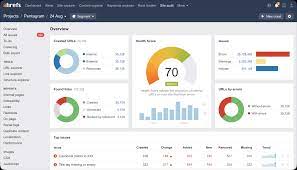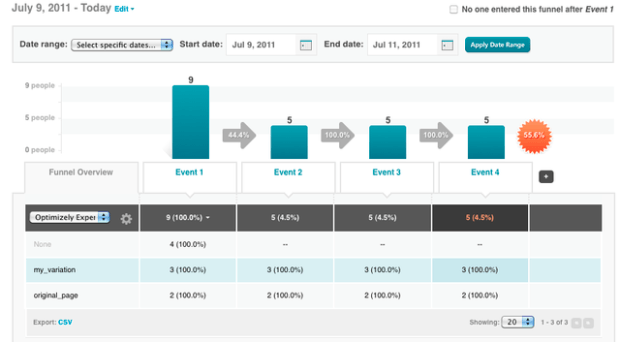
The Power of Website Analytics: Unveiling the Key to Online Success
In the dynamic world of digital marketing, data is king. Understanding your audience, tracking user behaviour, and measuring the effectiveness of your online efforts are crucial for staying ahead in the game. This is where website analytics comes into play – a powerful tool that provides invaluable insights into the performance of your website.
What is Website Analytics?
Website analytics involves the collection, measurement, and analysis of data related to your website’s performance. By leveraging various metrics and tools, you can gain a deeper understanding of how users interact with your site, which pages are most popular, where visitors come from, and much more.
The Benefits of Website Analytics
**Understanding User Behaviour:** Website analytics allows you to track user actions such as page views, clicks, time spent on site, and conversion rates. By analysing this data, you can identify patterns and trends that help you optimise your website for better user engagement.
**Improving Marketing Strategies:** By tracking traffic sources and referral sources, you can determine which marketing channels are driving the most traffic to your site. This information enables you to allocate resources effectively and focus on strategies that yield the best results.
**Enhancing User Experience:** With insights from website analytics, you can pinpoint areas of improvement on your site. Whether it’s optimising page load times, refining navigation menus or creating more compelling content, analytics data empowers you to enhance the overall user experience.
Popular Website Analytics Tools
There is a plethora of website analytics tools available in the market today. Some popular choices include:
- Google Analytics: A free tool offered by Google that provides comprehensive insights into website traffic and user behaviour.
- Adobe Analytics: A robust platform for advanced analytics and reporting capabilities tailored for enterprise-level businesses.
- Piwik (Matomo): An open-source alternative to Google Analytics that offers full control over data privacy and customisation options.
The Future of Website Analytics
As technology continues to evolve, so too will website analytics. With advancements in artificial intelligence and machine learning, we can expect even more sophisticated tools that deliver real-time insights and predictive analytics. The key lies in harnessing these innovations to drive informed decision-making and propel online success.
In conclusion, website analytics is not just a tool – it’s a strategic asset that empowers businesses to make data-driven decisions and optimise their online presence. By embracing the power of analytics, you pave the way for continuous improvement and growth in today’s competitive digital landscape.
Understanding Website Analytics: Answers to 7 Common Questions
- What are web analytics examples?
- How do I get analytics for my website?
- Why do we use Web analytics?
- What can website analytics tell you?
- What are analytics for a website?
- What is the most used Web Analytics?
- What are goals in web analytics?
What are web analytics examples?
Web analytics examples encompass a wide range of metrics and data points that provide valuable insights into the performance of a website. Some common web analytics examples include tracking the number of visitors to a site, monitoring page views and bounce rates, analysing traffic sources (such as organic search, direct traffic, and referrals), measuring conversion rates, and assessing user engagement metrics like time spent on site and click-through rates. These examples help website owners gauge the effectiveness of their online presence, identify areas for improvement, and make informed decisions to enhance user experience and drive business growth.
How do I get analytics for my website?
To obtain analytics for your website, the first step is to integrate a web analytics tool such as Google Analytics into your site. Sign up for an account, generate a tracking code, and insert it into the HTML code of your web pages. Once the tracking code is in place, the analytics tool will start collecting data on user behaviour, traffic sources, conversions, and more. You can then access this valuable information through the analytics dashboard provided by the tool, allowing you to gain insights into your website’s performance and make informed decisions to enhance its effectiveness.
Why do we use Web analytics?
Web analytics plays a pivotal role in the digital realm by providing businesses with crucial insights into their online performance. By utilising web analytics, organisations can track and measure various metrics such as website traffic, user behaviour, and conversion rates. This data is invaluable in understanding the effectiveness of marketing strategies, identifying areas for improvement on the website, and making informed decisions to enhance the overall user experience. Ultimately, the use of web analytics empowers businesses to optimise their online presence, drive targeted actions, and achieve tangible results in today’s competitive digital landscape.
What can website analytics tell you?
Website analytics can provide a wealth of valuable information about your website’s performance and user behaviour. By analysing data such as traffic sources, page views, bounce rates, conversion rates, and user demographics, website analytics can offer insights into how visitors interact with your site. This data can help you understand which marketing strategies are most effective, identify areas for improvement on your website, and make informed decisions to enhance the overall user experience. Ultimately, website analytics can tell you not just what is happening on your site, but also why it is happening – empowering you to optimise your online presence and achieve your business goals effectively.
What are analytics for a website?
Website analytics refer to the process of collecting, measuring, and analysing data related to a website’s performance and user behaviour. By utilising various metrics and tools, website owners can gain valuable insights into how visitors interact with their site, which pages are most popular, where traffic originates from, and more. Analytics help businesses understand the effectiveness of their online presence, make informed decisions on marketing strategies, and enhance the overall user experience. In essence, website analytics provide a comprehensive view of a website’s performance metrics to drive continuous improvement and achieve online success.
What is the most used Web Analytics?
When it comes to the most widely used web analytics tool, Google Analytics stands out as a clear frontrunner. Renowned for its user-friendly interface, robust features, and extensive tracking capabilities, Google Analytics has become the go-to choice for businesses and website owners worldwide. With its ability to provide in-depth insights into website traffic, user behaviour, conversion rates, and more, Google Analytics empowers users to make informed decisions that drive online success. Its seamless integration with other Google products and services further enhances its appeal, making it a versatile and indispensable tool for optimising digital marketing strategies.
What are goals in web analytics?
In the realm of web analytics, goals play a pivotal role in measuring the success and effectiveness of a website. Goals are specific actions or outcomes that you want visitors to accomplish when they interact with your site, such as making a purchase, signing up for a newsletter, or completing a contact form. By setting up and tracking goals in web analytics tools like Google Analytics, businesses can gain valuable insights into user behaviour, conversion rates, and overall performance. Goals serve as benchmarks for evaluating the impact of marketing campaigns, user experience improvements, and website changes, ultimately guiding strategic decisions to enhance online presence and drive desired outcomes.