The Art of Site Optimization: Enhancing Your Online Presence
Site optimization is a crucial aspect of digital marketing that can significantly impact your online visibility, user experience, and ultimately, your bottom line. By fine-tuning various elements of your website, you can attract more visitors, engage them effectively, and convert them into loyal customers. Let’s delve into the key strategies for optimising your site and maximising its potential.
Speed Matters
One of the most critical factors in site optimization is page loading speed. Research shows that users are likely to abandon a website if it takes more than a few seconds to load. To enhance speed, consider compressing images, minifying CSS and JavaScript files, and leveraging browser caching. These simple tweaks can make a significant difference in user experience and search engine rankings.
Mobile Responsiveness
In today’s mobile-centric world, ensuring that your website is responsive across various devices is non-negotiable. Google prioritises mobile-friendly sites in its search results, so having a responsive design not only improves user experience but also boosts your SEO efforts. Test your site on different devices to ensure seamless functionality and readability.
Quality Content is King
Compelling content plays a pivotal role in engaging visitors and keeping them on your site longer. Create high-quality, relevant content that addresses the needs and interests of your target audience. Incorporate keywords strategically to improve search engine visibility while maintaining a natural flow that resonates with readers.
User-Friendly Navigation
A well-organised website structure with intuitive navigation is essential for guiding users through your content seamlessly. Implement clear menus, breadcrumbs, internal linking, and calls-to-action to help visitors find what they’re looking for efficiently. A user-friendly navigation system enhances usability and encourages exploration of your site.
Optimise for Search Engines
Optimising your site for search engines involves more than just keyword placement. Pay attention to meta tags, title tags, alt attributes for images, schema markup, and other on-page SEO elements to improve search engine visibility. Regularly monitor performance metrics using tools like Google Analytics to identify areas for improvement.
Secure Your Site
Security is paramount in today’s digital landscape where cyber threats abound. Install an SSL certificate to encrypt data transmission between users’ browsers and your website server. Not only does this boost trust among visitors but it also positively impacts your search engine rankings as Google favours secure sites.
In conclusion, site optimization is an ongoing process that requires attention to detail and continuous refinement. By implementing these strategies effectively, you can enhance your online presence, attract more traffic, and achieve sustainable growth for your business.
Comprehensive Guide to Website Optimisation: Answering 19 Common Questions
- What is website optimization and why is it important?
- Is SEO and website optimization the same?
- What is the meaning of site optimization?
- Why is site optimization important?
- What is the meaning of on-page optimization?
- What is optimization strategy?
- How do I Optimise my website?
- How do you optimize your site?
- What is meant by on-site optimization?
- How to optimise a website?
- What are Website optimization tools?
- Why website optimization is needed?
- What is site level optimization?
- What is on-site optimization in SEO?
- What is Website optimization and why is it done?
- What is optimising website called?
- Is site optimization the same as site testing?
- How do I optimize my website?
- Which are different areas of website optimization?
What is website optimization and why is it important?
Website optimization refers to the process of improving various aspects of a website to enhance its performance, user experience, and visibility in search engine results. It encompasses strategies such as improving page loading speed, ensuring mobile responsiveness, creating high-quality content, implementing user-friendly navigation, and optimising for search engines. Website optimization is crucial because it directly impacts how users interact with your site and influences your online presence. A well-optimised website not only attracts more visitors but also keeps them engaged, encourages conversions, and boosts your search engine rankings. By prioritising website optimization, businesses can effectively reach their target audience, establish credibility, and drive sustainable growth in the competitive digital landscape.
Is SEO and website optimization the same?
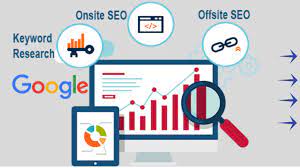
While SEO (Search Engine Optimization) and website optimization share common goals of improving a website’s performance and visibility online, they are not the same. SEO primarily focuses on enhancing a site’s visibility in search engine results by implementing strategies such as keyword research, content creation, and link building. On the other hand, website optimization encompasses a broader range of practices aimed at improving overall user experience, site speed, mobile responsiveness, content quality, and more. While SEO is a crucial component of website optimization, the latter involves a holistic approach to ensure that every aspect of a website is fine-tuned for optimal performance and user satisfaction.
What is the meaning of site optimization?
Site optimization refers to the process of enhancing various aspects of a website to improve its performance, user experience, and visibility on search engines. It involves fine-tuning elements such as page loading speed, mobile responsiveness, content quality, navigation structure, SEO practices, and security measures. By strategically optimising these components, site owners can attract more visitors, keep them engaged, and ultimately drive conversions. Site optimization is a holistic approach that aims to create a seamless and user-friendly online environment that not only meets the needs of visitors but also aligns with search engine algorithms for improved rankings and visibility.
Why is site optimization important?
Site optimization is crucial for several reasons. Firstly, it directly impacts user experience by ensuring fast loading times, mobile responsiveness, and easy navigation, which are key factors in retaining visitors and encouraging them to explore your site further. Secondly, site optimization plays a significant role in search engine rankings, as search engines like Google favour well-optimised websites that provide valuable content and a seamless browsing experience. By implementing site optimization strategies, businesses can improve their online visibility, attract more organic traffic, and ultimately increase conversions and revenue. In essence, site optimization is essential for enhancing user engagement, boosting SEO performance, and driving overall success in the digital landscape.
What is the meaning of on-page optimization?
On-page optimization refers to the practice of fine-tuning various elements within a website to improve its search engine visibility and user experience. This process involves optimising individual web pages by strategically incorporating relevant keywords, meta tags, title tags, and other on-page SEO factors. By focusing on on-page optimization, website owners aim to enhance their site’s relevance, authority, and overall performance in search engine results pages. Implementing best practices for on-page optimization can help attract more organic traffic, engage visitors effectively, and ultimately drive conversions for the business.
What is optimization strategy?
An optimization strategy in the context of website development refers to a systematic approach aimed at improving various aspects of a site to enhance its performance and effectiveness. This strategy involves analysing key elements such as site speed, mobile responsiveness, content quality, user experience, and search engine visibility to identify areas for enhancement. By implementing targeted tactics like image compression, responsive design, keyword integration, intuitive navigation, and SEO best practices, an optimization strategy aims to maximise the site’s potential for attracting traffic, engaging users, and achieving desired outcomes. Ultimately, an effective optimization strategy is tailored to the specific goals and audience of a website, leading to improved online presence and business success.
How do I Optimise my website?
To optimise your website effectively, start by focusing on key areas such as improving page loading speed, ensuring mobile responsiveness, creating high-quality and relevant content, implementing user-friendly navigation, and optimising for search engines. Begin by assessing your site’s performance using tools like Google PageSpeed Insights to identify areas for improvement. Enhance user experience by streamlining navigation and design elements for easy access across devices. Regularly update your content with valuable information that resonates with your target audience while incorporating strategic keywords for search engine visibility. By prioritising these aspects of site optimisation, you can enhance your online presence and attract more visitors to your website.
How do you optimize your site?
Optimising your site involves a comprehensive approach to enhance its performance, user experience, and search engine visibility. Start by focusing on improving page loading speed through image compression and code optimisation. Ensure your website is responsive across various devices to cater to the growing mobile audience. Create high-quality, relevant content enriched with strategic keywords to attract and engage visitors. Implement intuitive navigation and clear calls-to-action for seamless user interaction. Optimise on-page elements such as meta tags, title tags, and schema markup to boost search engine rankings. Lastly, prioritise site security by installing an SSL certificate to protect user data and build trust. By following these steps diligently, you can effectively optimise your site for success in the digital realm.
What is meant by on-site optimization?
On-site optimization refers to the process of enhancing various elements within a website to improve its search engine visibility, user experience, and overall performance. This includes strategies such as optimising meta tags, title tags, content structure, internal linking, and image attributes to make the site more appealing to search engines and users alike. By focusing on on-site optimization, website owners can increase their chances of ranking higher in search engine results pages (SERPs) and attracting relevant organic traffic to their site.
How to optimise a website?
Optimising a website involves a multifaceted approach aimed at enhancing its performance, user experience, and search engine visibility. To optimise a website effectively, start by focusing on key areas such as page loading speed, mobile responsiveness, quality content creation, user-friendly navigation, and search engine optimisation (SEO) practices. Ensure that your website loads quickly to prevent user frustration and improve SEO rankings. Make sure your site is responsive across various devices to cater to the growing mobile audience. Create engaging and informative content that resonates with your target audience while incorporating relevant keywords strategically. Implement clear navigation menus and calls-to-action to guide users through your site seamlessly. Lastly, pay attention to on-page SEO elements such as meta tags, title tags, and schema markup to boost your site’s visibility in search engine results. By addressing these aspects comprehensively, you can optimise your website for optimal performance and success online.
What are Website optimization tools?
Website optimization tools are essential resources that assist website owners in enhancing the performance, user experience, and search engine visibility of their sites. These tools encompass a wide range of functionalities, including website speed analysis, keyword research, content optimisation, backlink analysis, and more. Popular website optimization tools such as Google Analytics, SEMrush, Ahrefs, Moz Pro, and Yoast SEO provide valuable insights and data-driven recommendations to help users make informed decisions about improving their websites. By leveraging these tools effectively, website owners can streamline their optimization efforts and achieve better results in terms of traffic growth, engagement metrics, and conversion rates.
Why website optimization is needed?
Website optimization is essential for several reasons. Firstly, it improves user experience by ensuring that visitors can navigate your site easily, find the information they need quickly, and have a seamless interaction with your brand. Secondly, optimized websites tend to rank higher in search engine results, leading to increased visibility and organic traffic. Additionally, site optimization can enhance site speed, mobile responsiveness, and overall performance, which are crucial factors in retaining visitors and converting them into customers. Ultimately, website optimization is needed to stay competitive in the digital landscape, attract and retain users, and achieve your online goals effectively.
What is site level optimization?
Site level optimization refers to the strategic process of enhancing various aspects of a website to improve its overall performance and effectiveness. This comprehensive approach involves fine-tuning elements such as page loading speed, mobile responsiveness, content quality, navigation structure, search engine optimisation, and security measures. By focusing on site level optimization, businesses can ensure that their website not only attracts more visitors but also provides a seamless user experience that encourages engagement and drives conversions. It is about maximising the potential of every component of a website to achieve optimal results in terms of visibility, usability, and impact.
What is on-site optimization in SEO?
On-site optimization in SEO refers to the practice of enhancing various elements within a website to improve its search engine visibility and user experience. This process involves strategically incorporating relevant keywords, meta tags, title tags, and high-quality content to make the site more appealing to search engines like Google. By focusing on on-site optimization, website owners can increase their chances of ranking higher in search results, attracting more organic traffic, and ultimately achieving their digital marketing goals.
What is Website optimization and why is it done?
Website optimization refers to the process of improving various elements of a website to enhance its performance, user experience, and visibility in search engine results. It involves fine-tuning aspects such as site speed, mobile responsiveness, content quality, navigation structure, SEO elements, and security measures. Website optimization is done to ensure that a website meets the expectations and needs of users, leading to increased traffic, engagement, and conversions. By optimising a website effectively, businesses can attract more visitors, retain them for longer periods, and ultimately achieve their online goals more efficiently.
What is optimising website called?
Optimising a website is commonly referred to as Search Engine Optimization (SEO). SEO encompasses a range of strategies and techniques aimed at improving a website’s visibility in search engine results pages. By optimising various elements such as content, keywords, meta tags, and site structure, businesses can enhance their online presence, attract more organic traffic, and ultimately drive conversions. SEO is a dynamic and evolving field that requires continuous effort to stay ahead of the competition and meet the ever-changing algorithms of search engines like Google.
Is site optimization the same as site testing?
Site optimization and site testing are related concepts but serve different purposes in the realm of web development and digital marketing. Site optimization focuses on improving various elements of a website to enhance its performance, user experience, and search engine visibility. This may involve tweaking design, content, speed, and other factors to achieve specific goals such as increased traffic or conversions. On the other hand, site testing involves conducting experiments or tests to evaluate the effectiveness of different elements on a website. These tests can provide valuable insights into user behaviour, preferences, and performance metrics, helping to inform future optimization efforts. While both site optimization and site testing aim to enhance a website’s performance, they each play distinct roles in fine-tuning and improving the overall online presence of a business or individual.
How do I optimize my website?
To optimise your website effectively, start by focusing on key areas such as improving page loading speed, ensuring mobile responsiveness, creating high-quality content with strategic keyword placement, implementing user-friendly navigation, and enhancing on-page SEO elements like meta tags and schema markup. Regularly monitor your site’s performance using tools like Google Analytics to identify areas for improvement and track progress. Additionally, prioritise website security by installing an SSL certificate to encrypt data transmission. By following these steps and continuously refining your site’s elements, you can enhance its visibility, user experience, and overall effectiveness in achieving your online goals.
Which are different areas of website optimization?
Website optimization encompasses various key areas that are crucial for enhancing the performance and user experience of a website. These areas include speed optimization to ensure fast loading times, mobile responsiveness for seamless access on different devices, content quality to engage visitors effectively, user-friendly navigation for easy exploration, search engine optimisation to improve visibility, and site security measures to protect user data. By addressing these different aspects of website optimization comprehensively, businesses can create a compelling online presence that attracts and retains visitors while driving conversions and achieving their digital marketing goals.